
The Neuroscience of Affirmations: How Words Can Reprogram the Brain for New Habits
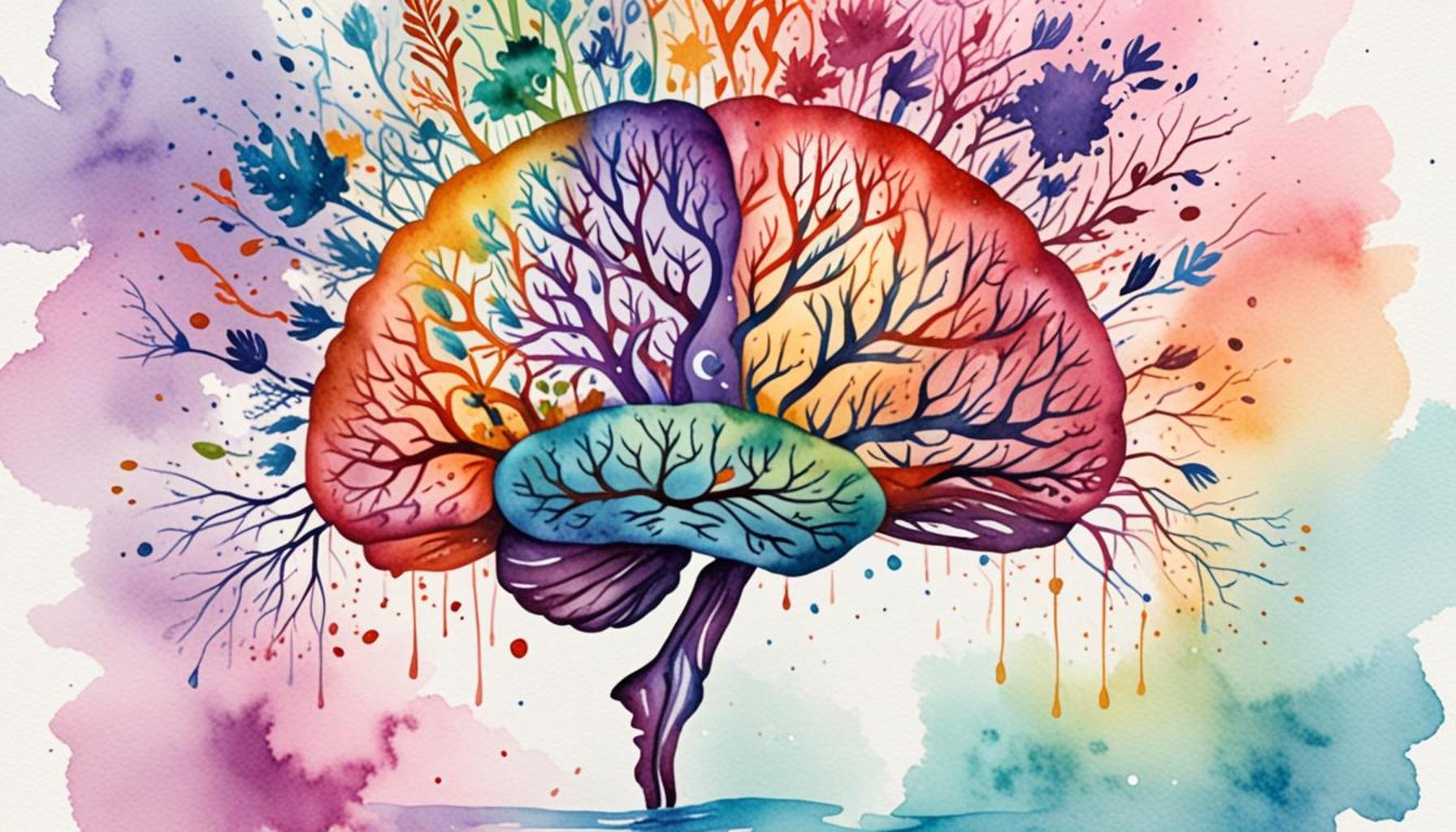
The Impact of Affirmations on Our Minds
Our brains are incredibly adaptable organs, shaped by a myriad of thoughts and experiences every day. This remarkable quality, known as neuroplasticity, allows us to rewire our minds and behaviors. At the forefront of this exploration is the practice of using affirmations, a concept that has garnered attention in recent years for its potential to transform our daily lives. But how do these seemingly simple positive statements wield such power over our mental frameworks?
The Science Behind Affirmations
- Neuroplasticity: This is defined as the brain’s ability to reorganize itself by forming new neural connections throughout life. Research has shown that by repeating affirmations, we can influence the way our brains process information, ultimately leading to a shift in our attitudes and beliefs.
- Positive Feedback Loop: Engaging in affirmations can create a cycle of positive reinforcement. For instance, someone who affirms their commitment to healthy living may find that repeating such statements encourages them to make healthier food choices and exercise more frequently.
- Cognitive Behavioral Approach: This technique combines affirmations with cognitive behavioral strategies, which are designed to reshape negative thought patterns. By challenging limiting beliefs through affirmations, individuals can pave the way for more constructive and optimistic thinking.
Studies conducted in various psychological settings have demonstrated that repeating affirmations activates regions of the brain linked to self-perception. This activation not only uplifts mood but also lays the groundwork for improved habits and mental resilience. For example, a research study published in the journal “Psychological Science” indicated that individuals who practiced self-affirmation experienced a decrease in their stress levels when confronted with challenges.
Potential Benefits
- Increased Self-Esteem: Regular use of affirmations has been associated with a rise in self-confidence. Someone believing “I am capable of achieving my goals” can begin to transform their outlook on personal challenges, leading to enhanced performance in their endeavors.
- Reduced Stress: By adopting positive affirmations, individuals may notice a downshift in anxiety and an improved ability to cope with emotional turmoil. The act of recalling affirmations during stressful situations can work as a calming mechanism.
- Enhanced Motivation: Affirmations act as consistent reminders of personal ambitions. Whether one aspires to advance in their career or cultivate a more positive mindset, these daily declarations serve to reinforce their desires and keep them focused on their goals.
Exploring the intriguing intersection of neuroscience and affirmations opens up a pathway to personal development and change. As we continue to investigate the nuances of how simple statements can play a significant role in reshaping our minds, we may unlock the potential to lead more fulfilling and balanced lives.
DISCOVER MORE: Click here to learn about the morning affirmation ritual
Understanding the Mechanisms of Affirmations
To grasp how affirmations can serve as powerful tools for personal transformation, it is essential to delve into the underlying mechanisms that make them effective. Affirmations are not merely feel-good phrases; they are catalysts for change that can significantly influence our brain chemistry and emotional well-being. Through a better understanding of these processes, we can effectively harness the potential of affirmations in our pursuit of new habits and behaviors.
The Role of Neural Pathways
At the core of the neuroscience of affirmations lies the concept of neural pathways. These pathways are the connections formed between neurons in our brain as we engage in different thoughts and behaviors. When we repeatedly affirm a positive belief, we begin to solidify this thought pattern into our neural structure. Over time, this not only reinforces the affirmation but also makes it easier to access that positive mindset when needed.
- Synaptic Plasticity: This refers to the ability of synapses, the junctions where neurons communicate, to strengthen or weaken over time based on activity levels. When affirmations are practiced consistently, they are akin to a workout for the brain, leading to stronger synaptic connections associated with positive beliefs.
- Activation of Brain Areas: Research indicates that affirmations primarily engage the prefrontal cortex, an area responsible for self-regulation, decision-making, and emotional control. By activating this region, affirmations can help individuals manage stress and enhance their coping mechanisms in challenging times.
- Emotional Resonance: The practice of affirmations can also activate the limbic system, which governs our emotional responses. As individuals recite affirmations, they are more likely to evoke feelings of happiness and relief, further encouraging the repeated behavior associated with those positive statements.
The Biological Mechanism Behind Affirmations
Beyond the psychological aspects of affirmations, there is also a biological component to consider. Engaging in positive self-talk can lead to the release of neurotransmitters such as dopamine and serotonin, which are often referred to as the brain’s “feel-good” chemicals. These neurochemicals play a crucial role in regulating mood and motivation, making affirmations an effective method for establishing a more positive outlook on life.
Moreover, studies spotlight the influence of affirmations on stress reduction. When individuals practice self-affirmation, they may experience lower levels of the stress hormone cortisol. Reduced cortisol levels contribute to a more balanced emotional state, fostering resilience in the face of adversity. By acknowledging their strengths and values through affirmations, individuals can cultivate a more positive self-image and improve their stress management skills.
As we contemplate the intricate connection between affirmations and neuroscience, it becomes evident that these simple statements possess the remarkable ability to reprogram our minds. By deliberately shaping our thought patterns, we can pave the way for new habits, ultimately leading to personal growth and fulfillment.
| Advantage | Description |
|---|---|
| Positive Self-Identities | Affirmations encourage self-empowerment, fostering a stronger belief in one’s capabilities and creating a positive self-identity. |
| Behavioral Change | The use of affirmations can lead to lasting behavioral changes, effectively reprogramming the brain to adopt new habits that align with positive beliefs. |
The intricate relationship between affirmations and neuroscience reveals much about how spoken words can shape our realities. Numerous studies indicate that when individuals consistently engage in affirming their goals and intentions, they can effectively influence their subconscious, resulting in heightened motivation and resilience against stress. For instance, a well-structured affirmation routine can equip individuals with the necessary tools to combat negative thoughts, fostering a profound shift in mental perspective.Furthermore, it is essential to note the role of neuroplasticity—the brain’s ability to reorganize itself by forming new connections throughout life. When paired with the right emotional context, affirmations can accelerate this process, embedding positive habits into one’s daily routine. As we explore this intersection of language, thought, and behavior, the significance of consistent affirmation practices becomes increasingly apparent in their potential to carve pathways toward personal growth and transformation.
DIVE DEEPER: Click here to discover the power of consistency
Transformative Effects of Affirmations on Mental Health
As we continue to explore the fascinating interplay between affirmations and neuroscience, it becomes clear that the transformative effects of these positive phrases extend far beyond mere motivation. A growing body of research underscores the profound impact of affirmations on mental health, revealing how these tools can be pivotal in mitigating anxiety and depression. Understanding the nuances of these influences is crucial for anyone interested in leveraging affirmations to foster a healthier mindset.
The Connection to Cognitive Behavioral Therapy
One of the more intriguing aspects of affirmations is their relationship with principles found in Cognitive Behavioral Therapy (CBT). CBT emphasizes the connection between thoughts, feelings, and behaviors. By consciously reframing negative self-talk into positive affirmations, individuals can challenge and modify unhelpful thought patterns. Studies have demonstrated that practicing affirmations can enhance the effectiveness of CBT interventions, allowing for quicker behavioral changes and a more robust sense of agency regarding one’s thoughts and feelings.
The Impact on Self-Esteem and Self-Compassion
Affirmations also play a significant role in cultivating self-esteem and self-compassion. Research highlights that by regularly affirming personal values and qualities, individuals can build a more resilient self-concept. Notably, a study conducted at the University of California, Los Angeles (UCLA) found that participants who engaged in positive affirmations reported higher levels of self-esteem and lower levels of social anxiety compared to control groups. This boost in self-worth can lead to broader positive outcomes, including improved relationships and greater overall life satisfaction.
- Fostering Resilience: As individuals affirm their capabilities and worth, they develop resilience against negative criticism from others, making them less susceptible to the detrimental effects of external validation.
- Encouraging Exploration: A positive self-image nurtured through affirmations allows individuals to step outside their comfort zones, embrace new experiences, and pursue personal or professional growth that might have previously felt unattainable.
Affirmations in Daily Practice
The practical application of affirmations can take many forms, making them an accessible tool for anyone seeking mental and emotional improvement. From daily practices like writing affirmations in a journal to verbal recitations in front of a mirror, these methods can transition into long-term habits that reshape neural pathways. Research from the University of Pennsylvania demonstrated that participants who integrated affirmations into their daily routines reported feeling more motivated and productive, underscoring the potential of affirmations to influence not just emotional well-being but also actionable outcomes.
The Role of Consistency and Personalization
However, not all affirmations yield equal benefits. The effectiveness of this practice hinges on two critical factors: consistency and personalization. For affirmations to encourage genuine transformation, it is necessary for individuals to engage regularly with their chosen phrases. Moreover, personalizing affirmations to resonate with one’s unique experiences and aspirations can enhance their effectiveness. Tailoring affirmations ensures a deeper emotional connection, making them more relatable and impactful.
In conclusion, the intersection of affirmations and mental health illuminates the remarkable capacity of our words to shape our mental landscapes. By embracing the science behind affirmations and integrating them into our daily lives, we can rewire our brains, fostering new habits that nurture growth and emotional resilience.
DIVE DEEPER: Click here to discover more about daily affirmations
Conclusion: Rewiring the Mind through Affirmations
The exploration of affirmations and their impact on the brain reveals a powerful synergy between language and mental health. As we have uncovered throughout this article, affirmations can serve as effective tools for reprogramming neural pathways, fostering new habits, and enhancing psychological well-being. Research highlights not only their role in boosting self-esteem and self-compassion but also their potential to mitigate anxiety and depression—common challenges faced by many individuals today.
The intersection of affirmations and Cognitive Behavioral Therapy emphasizes how reframing our self-talk can lead to significant behavioral changes. Moreover, by embedding these positive statements into our daily routines, we unlock the opportunity to cultivate resilience and motivate personal growth.
However, it is essential to recognize that the effectiveness of affirmations is rooted in consistency and personalization. Tailoring affirmations to resonate deeply with one’s values ensures a more profound emotional connection, enhancing their transformative potential. As we move forward, it becomes increasingly clear that harnessing the neuroscience behind affirmations can empower individuals to take charge of their mental landscapes.
In an evolving world where mental health is a growing concern, integrating affirmations into our daily practices may not only contribute to personal well-being but also foster a community of individuals equipped to face life’s challenges with a renewed sense of purpose and confidence. Thus, the journey of positive self-affirmation is one worth embarking on for anyone seeking to reshape their mind and, by extension, their life.