Sustainable Interior Design: Integrating Minimalism and Spatial Efficiency with Natural Materials
In recent years, the conversation around interior design has shifted significantly, spurred by a growing awareness of environmental concerns. As individuals become more conscious of their ecological footprint, the demand for sustainable interior design has surged. This modern approach reshapes not only how spaces are constructed but also how they are experienced, encouraging harmony between aesthetics and environmental stewardship.
The essence of sustainable interior design lies in its availability to intertwine sustainable practices with everyday functionality. As homeowners seek to make informed choices about their living environments, they are increasingly investing in solutions that prioritize both beauty and ecology. This emerging trend can be observed in diverse settings, from urban apartments to sprawling suburban homes, where the pursuit of tranquility meets conscientious living.
Key Aspects of Sustainable Interior Design
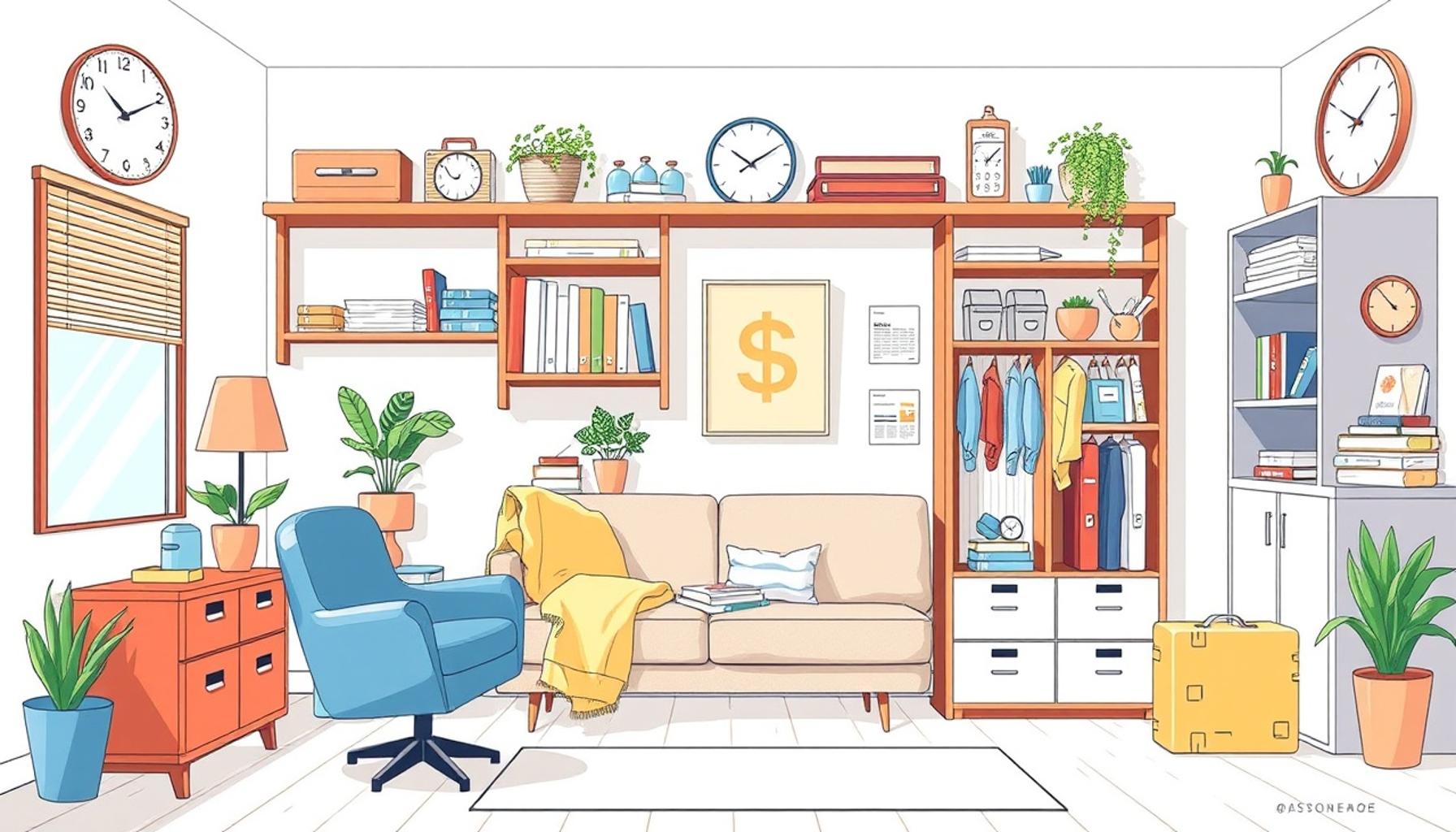
- Minimalism: At its core, minimalism promotes simplicity. Rather than cluttering spaces with excessive decor, it encourages selecting fewer items that serve multiple purposes. In practice, this can manifest as multifunctional furniture, like a couch that converts into a sleeper or a coffee table with built-in storage. Such choices not only lend elegance to the home but also reduce waste by emphasizing quality over quantity.
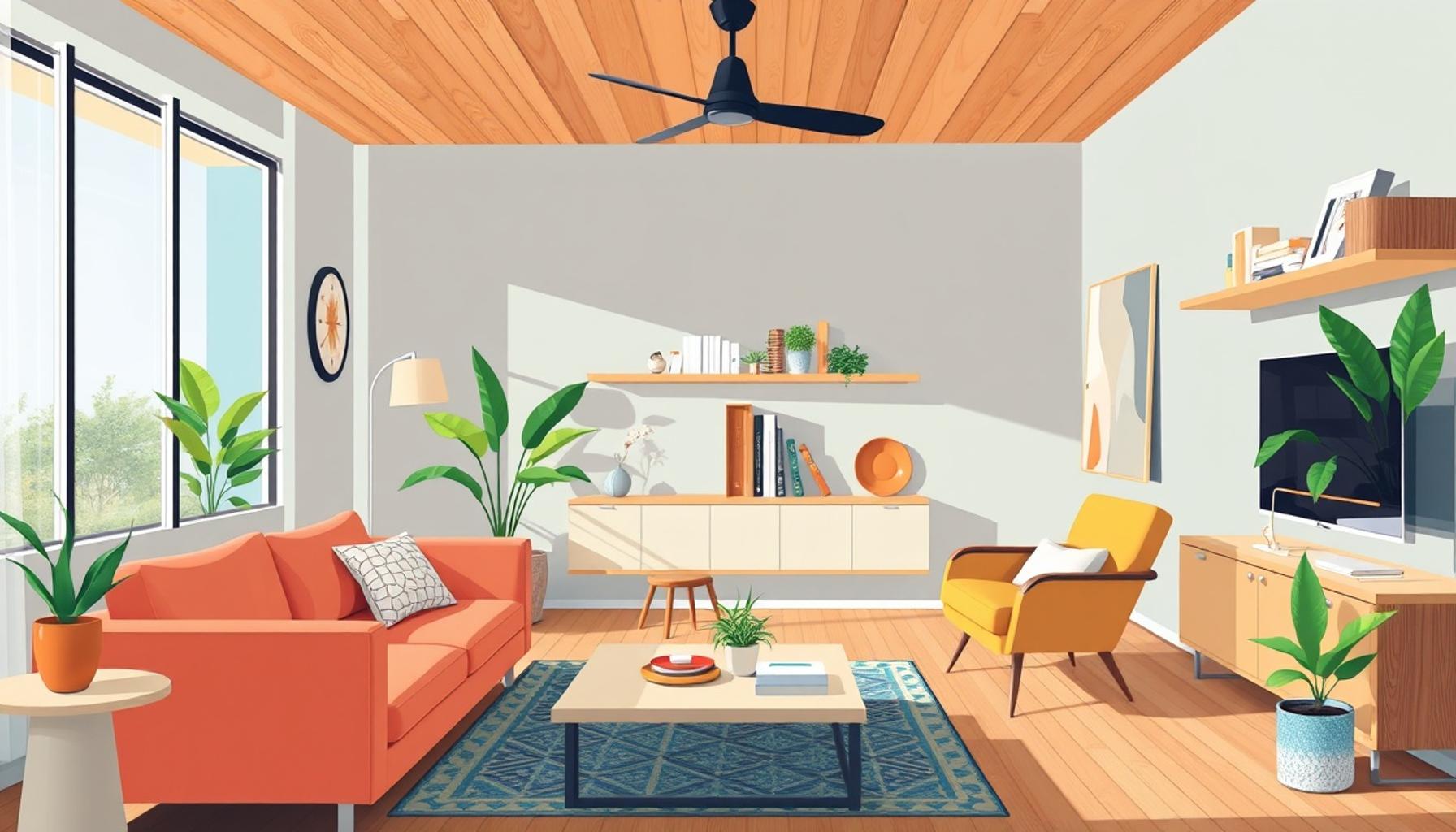
- Spatial Efficiency: Spatial efficiency plays a vital role in enhancing everyday living. Designers focus on creating layouts that maximize utility while promoting openness. For instance, in smaller homes or apartments, open-concept designs that eliminate unnecessary walls encourage natural light flow, allowing spaces to feel larger and more inviting, which in turn fosters a more enjoyable living experience.
- Natural Materials: The resurgence of natural materials is another hallmark of modern sustainable design. Using resources such as bamboo, which is both fast-growing and renewable, or reclaimed wood, which reduces the demand for new lumber, significantly minimizes environmental impact. Stone accents not only provide a touch of elegance but also have durability that supports sustainability.
These facets converge to cultivate living spaces that are visually captivating while remaining environmentally conscious. Furthermore, the integration of energy-efficient technologies, like LED lighting, smart thermostats, and energy-efficient appliances, complements these design choices, making sustainability accessible for the average American homeowner. Such technology not only reduces monthly utility bills but also contributes positively to the broader fight against climate change.
As you explore this article, consider how embracing sustainable interior design can transform your home into a sanctuary of style, functionality, and mindfulness. Engaging with this trend not only benefits individual homeowners but can also inspire communities to reflect on their environmental impact, fostering a collective movement toward responsible living. Discover the possibilities that await within sustainable design principles, paving the way for a brighter, more sustainable future.
DISCOVER MORE: Click here for helpful tips and tools
The Harmonious Blend of Aesthetics and Sustainability
As the demand for sustainable interior design grows, architects and designers are seeking innovative ways to combine minimalism, spatial efficiency, and natural materials in their projects. This fusion not only meets the practical needs of homeowners but also reflects a broader cultural shift towards a more sustainable lifestyle. By embracing these principles, designers can create environments that are not only beautiful but also kind to the planet.
One of the key components of sustainable interior design is minimalism. This philosophy advocates for the idea that less is more. By reducing clutter, it creates spaces that are more visually appealing and livable. Minimalist design emphasizes the use of multifunctional furniture—pieces that serve more than one purpose, thereby maximizing utility and reducing the need for excess items. For instance, a sleek dining table can double as a workspace, perfectly suited for a modern lifestyle where boundaries between work and home are increasingly blurred. Additionally, many forms of minimalist decor utilize a neutral color palette, which not only appeals to a contemporary aesthetic but also allows for a calming atmosphere conducive to mindfulness.
Complementing minimalism is the concept of spatial efficiency. Designers focus on optimizing every square foot of a space, aiming to create open-concept layouts that enhance flow and light. In places where square footage is at a premium, such as in urban apartments, the integration of open floor plans can make a significant difference. By eliminating unnecessary barriers like walls, natural light can permeate living areas, creating an inviting and expansive feel. This strategic layout promotes a sense of connection and can even improve mood and productivity for residents.
Natural Materials: A Sustainable Choice
An equally essential aspect of sustainable interior design is the use of natural materials. Traditional construction often relies on synthetic and non-renewable resources which contribute to environmental degradation. In contrast, incorporating materials such as bamboo, reclaimed wood, and natural stone into interior spaces fosters sustainability. Bamboo, known for its rapid renewability and strength, provides an excellent alternative to hardwood flooring. Reclaimed wood not only reduces waste by reusing existing materials but also adds a sense of history and character to spaces. Meanwhile, natural stone offers durability and aesthetic appeal, ensuring that elements like countertops and flooring can withstand the test of time while staying true to sustainable practices.
Homeowners avidly exploring sustainable interior design often discover that these principles lead to enhanced well-being. From improved air quality achieved by choosing low-VOC paints to a reduced carbon footprint through careful material selection, each decision adds up to create a more conscious lifestyle. By implementing these sustainable choices, individuals are empowered to create living environments that reflect both their personal style and their commitment to environmental responsibility.
With the rising movement toward eco-conscious living, understanding the interconnectedness of minimalism, spatial efficiency, and natural materials can inspire a significant transformation in how we design our interiors. This knowledge invites homeowners to not only consider aesthetics or functionality but also the positive environmental impact of their choices, thus fostering a collective journey towards sustainable living.
In the realm of sustainable interior design, the commitment to minimalism and spatial efficiency is gaining momentum, particularly as more individuals prioritize eco-friendliness without sacrificing aesthetic appeal. This approach not only reduces the ecological footprint but also fosters a serene and organized living space. Embracing natural materials such as bamboo, reclaimed wood, and organic textiles helps in creating environments that are both sustainable and visually pleasing.One core principle of minimalism in interior design is the idea of “less is more.” By selecting a few high-quality, multifunctional pieces instead of an abundance of decor, homeowners can achieve a spacious feel in any room. This practice not only enhances the functionality but also allows natural materials to shine through, adding warmth and texture. The focus shifts towards durability and sustainability rather than trendiness, making each piece a timeless investment.Moreover, spatial efficiency is crucial in contemporary interiors, especially in urban living where space is often limited. Innovative design strategies, such as open floor plans and built-in storage solutions, allow for optimal use of available space. Incorporating green walls or living plants further enriches the environment, contributing to better air quality and a sense of peace. The integration of sunlight through large windows and strategically placed mirrors can help create an illusion of space, making rooms feel larger and more welcoming.As sustainable design continues to evolve, new technologies enable designers to track and minimize energy consumption, leading to a more holistic approach to creating living spaces. Energy-efficient materials, like low-VOC paints and sustainable insulation, work hand-in-hand with the aesthetic components of natural materials. By doing so, the interior not only becomes a beautiful retreat but also a model of sustainability, reflecting the homeowner’s commitment to preserving the planet.In conclusion, the fusion of minimalism, spatial efficiency, and natural materials creates interiors that invite tranquility and sustainability. Homeowners are urged to explore these concepts further, transforming their spaces into an embodiment of modern environmental consciousness while enjoying the inherent beauty of nature within their homes. As this trend gains traction, the challenge remains to marry functionality with sustainability, an ongoing puzzle that excites both designers and eco-conscious consumers alike.
DON’T MISS: Click here to discover innovative solutions
Creating a Healthier Living Environment
Building upon the principles of minimalism and spatial efficiency is the objective of crafting a healthier living environment, paramount to the mission of sustainable interior design. The interplay of thoughtful design choices has profound implications for both physical health and mental well-being. By fostering interiors that promote health alongside sustainability, designers are actively redefining the home experience.
Central to this idea is the consideration of air quality. Formaldehyde and other volatile organic compounds (VOCs) commonly found in conventional paints, furniture, and flooring can have detrimental effects on health. The selection of low-VOC or zero-VOC paint options is an increasingly popular choice among homeowners who desire both aesthetic appeal and safety. Moreover, integrating materials like natural fiber textiles—such as organic cotton, jute, or hemp—ensures that not only are the furnishings sustainable, but they also contribute to cleaner indoor air. These materials help absorb toxins rather than emitting them, a crucial factor in promoting a healthier indoor space.
Biophilic Design: Nature as an Essential Element
In addition to selecting the right materials, the incorporation of biophilic design principles can significantly enhance the sustainability of an interior space. This approach encourages a connection to nature, which offers aesthetic beauty and significant psychological benefits. By integrating large windows, skylights, or strategically placed mirrors, designers can invite more natural light into a home. This not only reduces energy consumption but also brings the outdoors in, boosting mood and productivity.
Furthermore, indoor plant life plays a crucial role in biophilic design, with studies showing that plants can reduce stress and enhance creativity. Filling a minimalist space with thoughtful plant arrangements—like succulents or air plants—combines aesthetics with health benefits, creating an inviting atmosphere that thrives on nature. Innovations such as vertical gardens and living walls are gaining popularity, allowing homeowners to incorporate greenery even in smaller spaces while maintaining a minimal design ethos.
Smart Technology: Enhancing Functionality and Sustainability
In the quest for greater spatial efficiency, smart home technology integrates seamlessly with sustainable interior design. From programmable lighting systems that optimize energy use to smart thermostats that manage heating and cooling efficiently, technology allows homeowners to maintain a conscious relationship with their living spaces. These technologies not only create convenience but also promote energy conservation, reducing overall resource consumption.
With innovations such as smart appliances that utilize less energy and water, homeowners can achieve a level of efficiency that aligns with their sustainable goals. For example, energy-efficient dishwashers and washing machines drastically minimize water usage while maintaining cleanliness, contributing to both environmental and financial savings. These solutions represent a future where functionality, comfort, and sustainability coexist harmoniously, further encouraging a society driven by mindful consumption.
Moreover, as the sustainable interior design movement continues to grow, its foundational principles are becoming more accessible to the average homeowner. Resources such as online workshops, local sustainable design centers, and community initiatives encourage individuals to adopt these practices in their own homes. The dialogue surrounding sustainable interior design is more than a trend; it is a cultural evolution that emphasizes the importance of nurturing our environment while creating beautiful, healthy spaces.
DISCOVER MORE: Click here to uncover innovative solutions
Embracing a Sustainable Future
As we navigate the ongoing conversation surrounding sustainable interior design, it becomes increasingly clear that the integration of minimalism, spatial efficiency, and natural materials is not just beneficial but essential for a brighter future. By choosing to prioritize sustainable practices, homeowners can create spaces that are not only aesthetically pleasing but also nurturing to both the individual and the planet. The combination of low-VOC materials, natural fibers, and biophilic elements fosters a holistic approach that enhances air quality, well-being, and emotional comfort in everyday living.
Furthermore, the advent of smart technology serves as a pivotal turning point in optimizing energy use and fostering a more conscious relationship with our homes. By embracing innovations that align with sustainability, individuals can conserve resources while enjoying the conveniences modern technology brings. It empowers homeowners to make informed decisions that lead to significant long-term benefits, both environmentally and economically.
Ultimately, sustainable interior design offers a pathway to redefine our living spaces—a means to craft beautiful, resilient environments that reflect our values. As each choice we make reverberates through our communities, supporting this movement is more than an aesthetic preference; it is a commitment to a healthier planet. As we continue to explore these practices, the potential for a sustainable future shines brighter, urging us all to engage in this transformative journey. Discovering and implementing sustainable design principles can reshape our homes and lives, marking a significant step toward a more sustainable world.