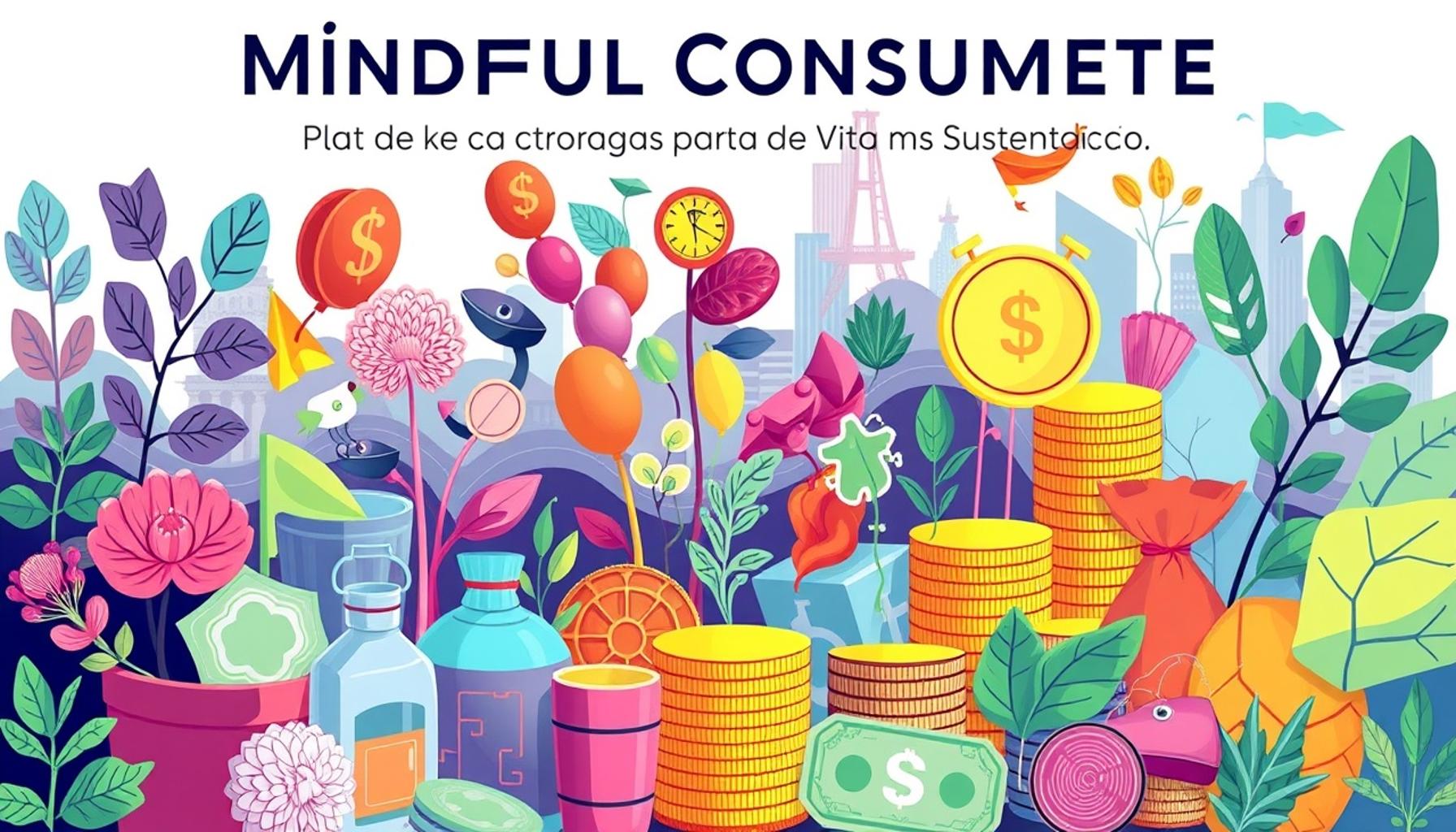
The Connection between Minimalism and Conscious Consumption: Redefining Needs and Desires in the Era of Excessive Consumption

Understanding Minimalism and Conscious Consumption
The modern world is experiencing a significant shift in how we view our possessions and consumption habits. With the constant barrage of advertisements and a culture of excess, many are beginning to question their true needs and desires. Enter minimalism and conscious consumption: two concepts gaining traction as alternatives to a lifestyle dominated by materialism. This growing awareness is not merely a trend but represents a profound rethinking of how we engage with our material world.
What is Minimalism?
- Simplifying life: At its core, minimalism advocates for reducing clutter, both physically and mentally. This means decluttering spaces to create a serene environment and reducing mental noise by focusing on what truly matters. For instance, someone might choose to downsize from a large home filled with unused items to a smaller, more functional space that promotes tranquility.
- Intentional living: It encourages individuals to focus on what truly matters, fostering a mindset where every decision is deliberate. Minimalists often find joy in experiences rather than possessions, valuing time spent with family or pursuing a passion over acquiring new gadgets.
- Quality over quantity: Minimalists prioritize fewer, high-quality items instead of endless choices. Instead of filling closets with fast fashion, a minimalist wardrobe may consist of carefully selected, versatile pieces that enhance personal style and stand the test of time.
What is Conscious Consumption?
- Mindful purchasing: Consumers are becoming more aware of the impact their purchases have on the environment. This includes considering the carbon footprint of products, the durability of materials, and the ethical practices of manufacturers. For instance, people might choose to buy locally-sourced foods or products made from recyclable materials.
- Ethical choices: There is an increasing interest in supporting sustainable and ethical brands. Brands like Patagonia or Toms, which emphasize fair labor practices and environmental stewardship, are becoming favorites among conscientious consumers who want their spending to reflect their values.
- Value alignment: Conscious consumers seek products that align with their values and beliefs. This can manifest through support for businesses that engage in charitable work or those that champion social justice issues, creating a spending pattern that transforms purchasing power into a tool for change.
As these movements intersect, they invite us to explore the deeper implications of our choices. In an era characterized by excessive consumption, realizing the profound connection between minimalism and conscious consumption can redefine our understanding of happiness and fulfillment. Embracing these philosophies can lead not only to a more fulfilling lifestyle but also contribute to broader social and environmental benefits. For example, a culture of mindful purchasing can lead to reduced waste, while minimalism can result in more time and resources devoted to personal growth and relationships. This article delves into how adopting these philosophies can enrich life in a world overflowing with options, encouraging readers to reflect on their own consumption patterns and consider a lifestyle that prioritizes intentionality and sustainability.
DIVE DEEPER: Click here to discover the power of intentional design
Unpacking the Intersection of Minimalism and Conscious Consumption
As we journey deeper into this era characterized by excessive consumption, a pressing need emerges: the urge to redefine our relationship with material goods. At the heart of this shift lies the powerful synergy between minimalism and conscious consumption, intertwining our consumption habits with intentionality and awareness. Understanding how these two philosophies align can offer insights into not just how we consume, but also how we can enhance our overall well-being and societal impact.
The Cultural Shift Toward Simplicity
In recent years, numerous studies indicate that as affluence rises, so does the paradox of choice; people find themselves overwhelmed with options, yet increasingly dissatisfied. This growing dissatisfaction has led many to embrace minimalism, a philosophy that acts as a counterbalance to consumerist culture by fostering a focus on simplicity. According to a survey by the American Psychological Association, over 60% of respondents noted that they felt more stressed when surrounded by clutter or excessive material possessions. This illustrates that our physical environment can significantly influence our mental state.
Minimalists advocate for what is known as essentialism—the idea that reducing physical possessions allows for a clearer mindset and a richer life experience. By prioritizing quality over quantity, we can shift from a mindset dominated by acquisition to one centered on gratitude and appreciation. Individuals may find that by owning fewer items, they gain freedom—not only in their physical space but also in their daily lives. This direct relationship between a minimalist approach and reduced anxiety invites us to reconsider what we truly value.
Understanding the Ethical Dimensions of Consumption
Conscious consumption, on the other hand, moves us beyond minimalism’s personal realm into the collective, societal impact of our choices. It prompts consumers to reflect on the ethical implications of their purchases. As awareness regarding climate change and environmentally detrimental practices grows, so too does the demand for sustainable products. Consumers are now more inclined to research brands, scrutinizing their policies on labor practices, environmental degradation, and the overall lifecycle of the goods they produce.
- Transparency in supply chains: Many consumers are increasingly seeking suppliers that provide clear information about how products are made and the conditions under which they are produced.
- Life cycle assessments: Understanding the environmental impact of a product from production to disposal encourages consumers to consider their purchases’ broader implications.
- Local vs. global: The preference for purchasing locally sourced goods not only supports local economies but also reduces the carbon footprint associated with long-distance transportation.
As the lines between minimalism and conscious consumption blur, a more profound narrative emerges: one that invites individuals to reflect upon their own priorities and desires. By embracing these intertwined philosophies, we not only transform our personal lives but also our collective impact on the planet and its resources. In a consumer landscape often rife with confusion and excess, this connection allows for a renewed sense of purpose and fulfillment, highlighting the importance of intentional choices in our everyday lives.
| Advantages of Minimalism | Conscious Consumption Benefits |
|---|---|
| Simplified Lifestyle | Leads to intentional purchasing choices |
| Reduced Stress | Encourages sustainability and ethical practices |
| Enhanced Focus | Fosters appreciation for quality over quantity |
The intricate bond between minimalism and conscious consumption is reshaping the way individuals approach their needs and desires in a world marked by excess. Embracing a pattern of living that champions simplicity, minimalism offers a simplified lifestyle that strips away distractions, allowing individuals to hone in on what is truly essential. This newfound clarity often translates to a more mindful decision-making process regarding purchases, establishing a profound relationship with one’s consumption habits.By alleviating the chaos that often accompanies excessive ownership, minimalism can also lead to reduced stress. As people find joy in fewer possessions, their focus shifts toward supporting sustainable and ethical practices. This shift inherently promotes sustainability: opting for quality items that serve a purpose rather than engaging in mindless consumerism.Moreover, minimalism has the unique ability to enhance one’s focus, moving the dialogue from simply consuming to appreciating quality over quantity. This modern narrative urges individuals to redefine their values, prioritizing longevity and impact over mere accumulation. In the context of conscious consumption, this approach encourages a lifestyle aligned with ecological and ethical considerations, thus redefining our desires in strikingly impactful ways.
DIVE DEEPER: Click here to discover the psychological benefits of decluttering</
Rethinking Identity and Wealth in an Age of Materialism
The intersection of minimalism and conscious consumption extends beyond merely reducing clutter or purchasing sustainably; it challenges our very notions of identity and wealth in today’s consumer-driven society. As individuals begin to embrace a more minimalist lifestyle, the question of personal identity becomes intertwined with the possessions we own or forgo. The societal narrative often dictates that value is derived from what we possess, with status often measured by the quantity and value of our belongings. However, minimalism provides an alternative perspective that emphasizes personal fulfillment through experiences rather than material goods.
The Experience Economy
The rise of the experience economy is a testament to this shift. According to a report from the Conference Board, up to 78% of millennials prefer to spend their money on experiences—such as travel or concerts—rather than on physical items. This trend illustrates a broader cultural transformation where memories and personal growth are prioritized over the acquisition of possessions. As people embrace this mindset, they actively redefine their needs, steering clear of the clutter that consumerism often brings.
Minimalists promote the idea that experiences serve as greater catalysts for happiness than mere physical goods. This aligns with findings from several psychological studies, which highlight that spending on experiences tends to lead to greater long-term satisfaction and a stronger sense of community connection. As consumers pivot towards experience-based spending, they also inadvertently support local businesses and artisans, bolstering economic health and community resilience.
Mindful Consumption: A Path to Sustainability
Accompanying this cultural shift is a growing emphasis on mindful consumption, where purchasing decisions are made consciously, reflecting one’s values and ethics. Research indicates that over 55% of American consumers are willing to pay more for products from brands committed to sustainability. This statistic reveals an eagerness to support companies prioritizing eco-friendly practices. As consumers adopt this increasingly nuanced perspective, they recognize that their purchasing power can act as a profound force for good, shaping industries and encouraging responsible production methods.
- Second-hand markets: Platforms like Poshmark and ThredUp have surged in popularity, highlighting a shift toward recycling and reusing goods. This not only promotes conscious consumption but also reduces waste in landfills.
- Minimalist lifestyles: Figures like Marie Kondo have popularized decluttering methods that emphasize keeping only items that “spark joy.” This approach can influence consumers to consider true needs versus fleeting desires.
- Collaborative consumption: The rise of services like Zipcar and Airbnb reflects a shift towards sharing economies, where ownership is less important than access, reducing the pressure to consume excessively.
Ultimately, as we navigate the complexities of excessive consumption, the alliance of minimalism and conscious consumption presents a compelling narrative. It advocates for a more thoughtful approach to living—one that fosters gratitude, experiences, and ethical responsibility. By encouraging personal introspection about what we truly value, this dual philosophy opens avenues for reimagining how we live and consume, pushing against the grain of conventional materialism.
DIVE DEEPER: Click here to learn about digital minimalism
Conclusion: Embracing a New Paradigm of Consumption
In an era defined by overwhelming consumerism, the synergy between minimalism and conscious consumption emerges as a beacon of hope and clarity. By prioritizing experiences over possessions and advocating for mindful purchasing practices, individuals are actively reshaping their understanding of needs and desires. This movement transcends the mere act of decluttering; it signals a broader cultural shift towards valuing authenticity and sustainability in our lives.
As we witness the rise of the experience economy, where meaningful memories take precedence over material wealth, it becomes evident that the path to true fulfillment lies not in amassing goods, but in cultivating relationships and personal growth. Moreover, consumers are increasingly recognizing the power of their choices and the importance of supporting sustainable brands, reinforcing a collective responsibility toward protecting our planet. With platforms that advocate for second-hand markets and collaborative consumption gaining traction, it’s clear that the tide of traditional ownership is shifting.
Ultimately, the connection between minimalism and conscious consumption allows us to redefine what it means to live well in a world saturated with excess. As we embrace this paradigm, we empower ourselves to lead more intentional lives, rich in meaning and ethical considerations. This journey invites each of us to evaluate our true desires, challenging the norm and fostering a culture where less is indeed more—more sustainable, more fulfilling, and ultimately more reflective of who we are as individuals. By choosing to live mindfully, we not only transform our own lives but also contribute to a ripple effect that enhances our communities and the environment.