
Practical Strategies for Reducing Clutter in Small Spaces
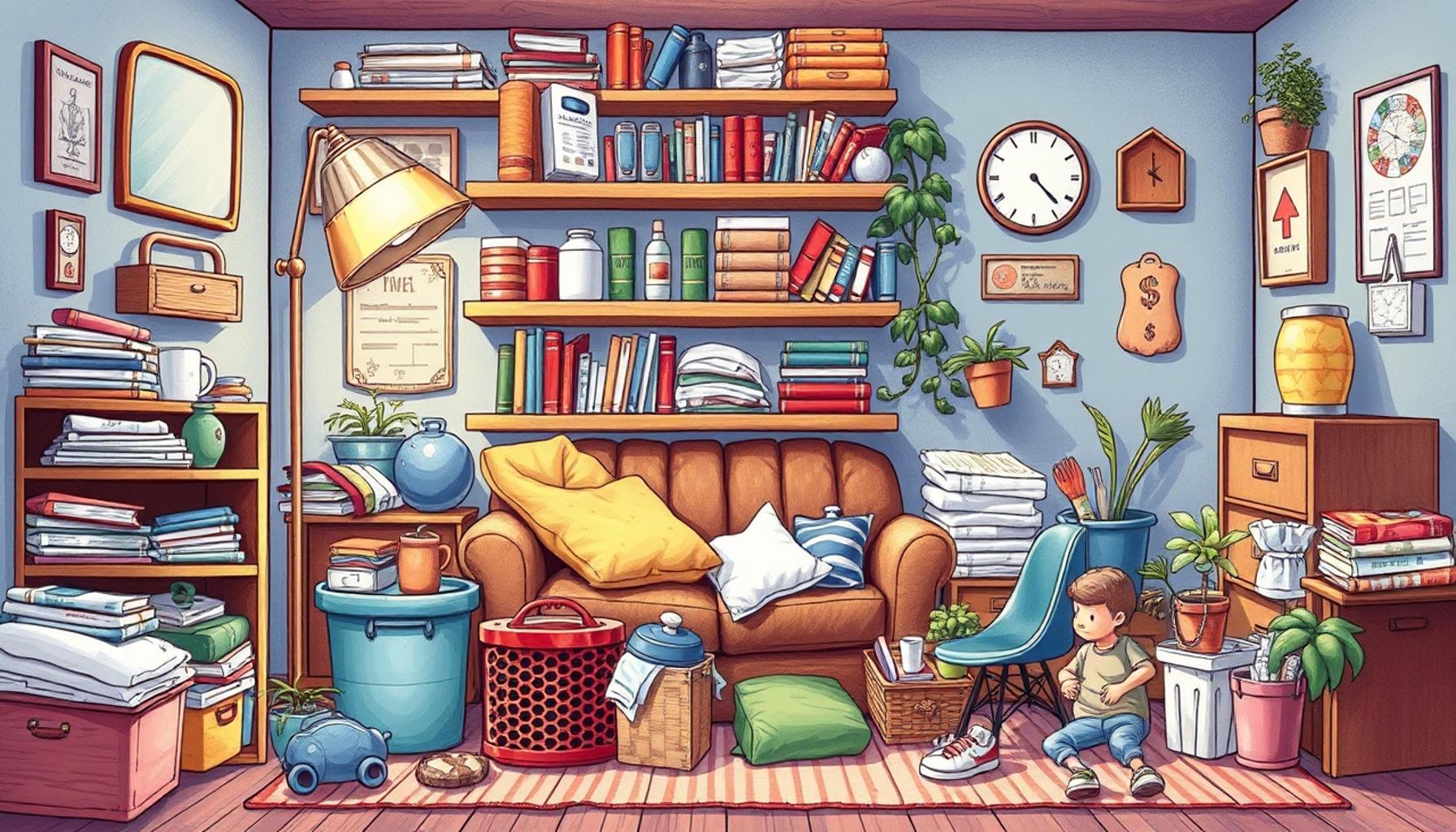
Understanding Clutter in Small Spaces
Living in small spaces, while often cozy and charming, can quickly lead to a sense of overwhelm due to the confined quarters. In bustling cities like New York and Los Angeles, where real estate is at a premium, the challenge of maintaining an organized living area becomes even more pronounced. For many, the allure of city living is tempered by the reality of cramped spaces and the accompanying clutter that can accumulate over time. However, with a bit of strategic planning and organization, it is entirely possible to transform these small areas into functional, harmonious homes.
Embracing Multi-Functional Furniture
One of the most effective approaches to managing clutter is investing in multi-functional furniture. This type of furniture not only saves space but also serves various purposes, making it an excellent solution for small homes. For instance, consider a stylish ottoman that opens up to reveal storage for blankets, games, or magazines. Moreover, beds equipped with drawers or futons that convert into guest beds can significantly enhance the utility of a room. These innovations allow you to maintain a sleek and tidy appearance while ensuring that all your essentials have a designated spot, keeping them out of sight and reducing visual clutter.
Utilizing Vertical Storage Solutions
When horizontal space runs thin, turning to vertical storage solutions can be a game changer. By utilizing wall shelves, hooks, and pegboards, you can effectively capitalize on the verticality of your space. For example, installing floating shelves above a desk can create a stylish display for books and decorative items, while hooks near your entryway can keep coats and bags organized without taking up precious floor space. This not only liberates your living area from clutter but also encourages a minimalist aesthetic, allowing you to showcase key pieces without overwhelming the senses.
The Importance of Regular Decluttering
The practice of regular decluttering is essential for maintaining an organized space. Establishing a routine, whether it’s monthly or seasonal, to evaluate your belongings can help you identify items that may no longer serve a purpose in your life. For example, implementing the “one-in, one-out” rule can be an effective strategy; for every new item purchased, consider letting go of an older item. This not only prevents accumulation but also encourages thoughtful consumption. By minimizing your belongings to only what you truly love or need, you create an atmosphere of calm and clarity in your home.
These strategies, when implemented together, can open up your living area, promoting both functional and aesthetic enhancements. Research indicates that a tidy environment significantly contributes to improved productivity and well-being. A well-organized home not only provides physical space but also cultivates mental clarity and peace. As we delve deeper into these strategies in the following sections, you will find actionable tips and examples to guide you in your journey toward a more organized, clutter-free haven.
DISCOVER MORE: Click here to dive deeper
Smart Storage Solutions to Optimize Space
In the world of small space living, every square inch counts. Thus, it’s essential to capitalize on smart storage solutions that can help you maximize the functionality of your environment. By thinking outside the box (or inside your cabinets), you can create additional space without sacrificing style or comfort. Here are some strategies to consider:
- Under-bed storage: This often-overlooked area can house a multitude of items. Use rolling bins or boxes to store seasonal clothing, shoes, or extra bedding. Not only does this free up closet space, but it also keeps your belongings easily accessible.
- Modular furniture: This type of furniture allows for customization and versatility. For instance, modular shelving units can be rearranged or expanded based on your needs, adapting to evolve with your lifestyle.
- Hidden storage drawers: Incorporate hidden drawers into furniture designs, such as coffee tables or benches. These subtle storage solutions can cleverly conceal everything from remote controls to workout gear, ensuring that your space remains uncluttered.
- Canned goods shelving: In the kitchen, consider tiered shelving for canned goods and spices. This not only increases visibility but also minimizes the amount of time spent searching for items, leading to a more efficient cooking experience.
Creating Designated Zones
Creating designated zones within your small space can greatly contribute to minimizing clutter. Instead of an open layout where items can easily pile up, defining specific areas for particular activities can enhance both functionality and aesthetics. For instance, set aside a corner with a small desk for work, and use decorative bins or baskets to contain office supplies. Similarly, establish a cozy reading nook with a comfortable chair and a side table for your books or a lamp.
Implementing these zones not only helps keep items organized but also assists in cultivating a focused environment. Consider using rugs or furniture arrangements to visually separate different areas. This will cue guests to understand the purpose of each zone and encourage a sense of order. Additionally, color-coding storage boxes or using labels can further enhance organization, allowing you to quickly locate necessities while maintaining a tidy appearance.
Mobile Storage Options
Another practical strategy to combat clutter in small spaces is to consider mobile storage options. Items that can be easily moved around provide flexibility and adaptability to your living space. Carts with wheels are ideal for this purpose; they can be used as kitchen islands, craft stations, or even mobile bars for entertaining. When not in use, these carts can be tucked away, allowing for open floor space.
Incorporating mobile furniture not only helps to keep your area organized but also adds an element of playfulness to your design. You can change the arrangement of your rooms to suit your mood or activity, creating a dynamic environment that feels fresh and inviting. As we further explore additional strategies for minimizing clutter, remember that each decision contributes to a broader vision of tranquility and efficiency in small spaces.
| Strategy | Advantages |
|---|---|
| Decluttering Regularly | Promotes a fresh environment and prevents accumulation of unnecessary items. Regular decluttering fosters a sense of control over your space. |
| Using Multifunctional Furniture | Maximizes space efficiency by combining storage and functionality. Items like ottomans with hidden compartments can also serve as seating, enhancing overall room utility. |
| Incorporating Vertical Storage | Utilizes wall space effectively, reducing floor clutter. Vertical solutions like shelving or hooks maintain accessibility without sacrificing floor area. |
| Designating a Clutter Zone | Creates an organized space for temporary items, helping to manage clutter without overwhelming the main living areas. This maintains visual order while providing flexibility. |
DISCOVER: Click here to learn how conscious consumption can enhance your home
Functional Decor: Style Meets Organization
When maximizing space, the key is to engage in functional decor that not only elevates your home’s aesthetics but also serves a purpose in reducing clutter. Embracing this principle allows you to incorporate elements that contribute to organization while enhancing the overall style of your small living area. Here are a few innovative ideas:
- Multi-functional furniture: Invest in pieces that offer dual purposes, such as ottomans that open to reveal storage or beds with built-in drawers. These types of furniture can significantly decrease the amount of visible clutter by providing a designated area for your belongings without compromising on style.
- Wall-mounted solutions: Utilize vertical space with wall-mounted shelves or pegboards. These options keep frequently used items within reach while displaying decorative pieces, ensuring your walls are not just for decoration but also for functional use.
- Stylish baskets and bins: Incorporate decorative storage containers that complement your interior decor. Baskets or bins can be used to corral items like blankets, magazines, or children’s toys, allowing you to create a tidy look without sacrificing accessibility.
Declutter on a Schedule
Another essential aspect of maintaining order in your small space is committing to a declutter schedule. While the initial process of reducing clutter can feel daunting, regular maintenance ensures your space remains organized. Establish a routine for decluttering—whether it’s monthly or seasonally—to help you stay on track. Set aside 15 to 30 minutes each week to go through items that may be cluttering your space. Ask yourself whether each item is necessary or brings you joy; if the answer is no, consider donating or tossing it.
Creating a “one in, one out” policy can also be effective. Whenever you purchase a new item, make it a point to let go of a similar item you no longer use or need. This habit will help curtail accumulating excess belongings while keeping your space feeling open and functional.
Digital Decluttering
Don’t overlook the importance of digital decluttering when managing a small physical space. In our increasingly technology-driven world, digital clutter can be just as overwhelming as physical clutter. Take time to organize your digital files and delete unnecessary storage, especially on devices that often contribute to distractions. Create folders for important documents, and regularly back up or dispose of files that are outdated.
Additionally, consider unsubscribing from email newsletters that no longer interest you. This can significantly declutter your inbox and streamline your communication. Not only can managing your digital space improve your overall efficiency, but it can also help you maintain a clearer mind, further aiding in effective organization of your physical environment.
Incorporating these functional decor ideas, adhering to a declutter schedule, and addressing digital clutter lays a foundation for a simplified lifestyle that enhances your small living space. Strategies like these not only minimize clutter but also contribute to a more intentional and enjoyable living experience.
DISCOVER MORE: Click here to refresh your space and mind
Concluding Strategies for a Clutter-Free Small Space
In conclusion, navigating the challenges of living in a small space can be made significantly easier by implementing practical strategies for reducing clutter. By focusing on functional decor, maintaining regular decluttering habits, and addressing digital clutter, you create an environment that is not only aesthetically pleasing but also conducive to a more organized and harmonious lifestyle.
Investing in multi-functional furniture and utilizing vertical storage solutions are effective ways to maximize your space while keeping essentials readily accessible, eliminating the need for unnecessary items to take up visible space. Establishing a declutter schedule reinforces the habit of maintaining order and can lead to a deeper connection with your possessions, ensuring each item plays a meaningful role in your life. Meanwhile, addressing digital clutter goes hand-in-hand with physical organization, creating a comprehensive approach to overall well-being.
Ultimately, the journey towards a clutter-free living space is not merely about minimizing belongings; it’s about fostering a mindset that values simplicity and intentionality. Embracing these strategies empowers you to reclaim your environment, responding effectively to the needs of modern living while enjoying the benefits of an organized and serene home. As you explore these insights, remember that every small change contributes to a larger transformation—leading you toward a lifestyle that feels focused, refreshed, and ultimately more enjoyable.