
Understanding Free Weights and Machines
In the pursuit of fitness, the debate between free weights and machines often stirs the interest of gym-goers. Each type of equipment offers distinct advantages tailored to diverse fitness aspirations, making it essential for individuals to grasp the nuances involved in their workout choices. The decision often hinges on personal goals, existing experience, and the kind of workout atmosphere preferred.
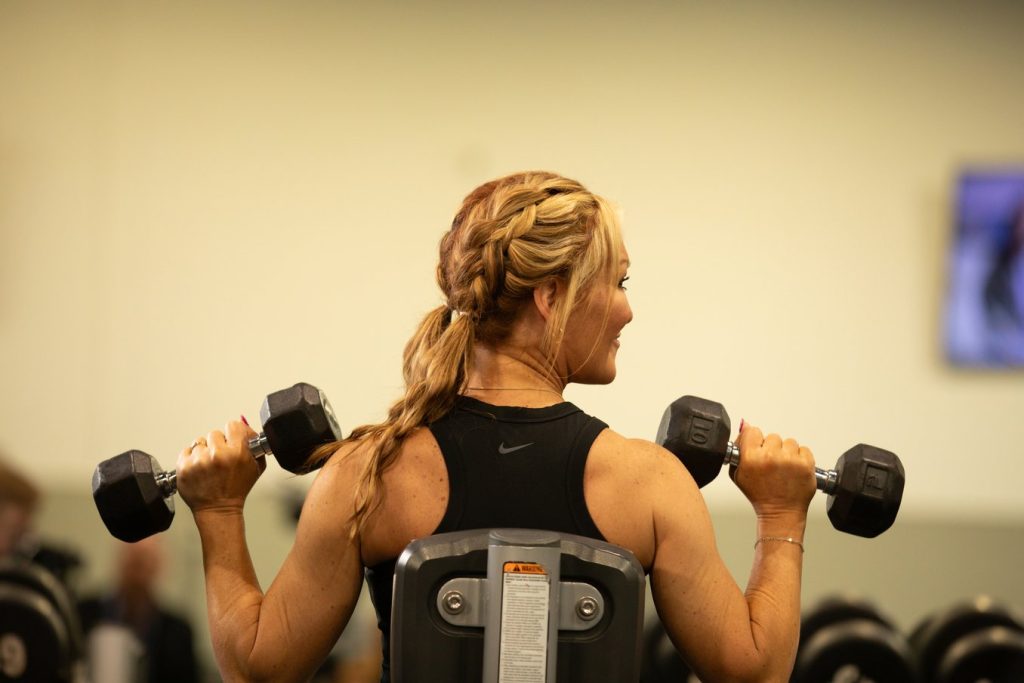
- Free Weights: These tools, which include dumbbells, kettlebells, and barbells, enable users to harness their body’s versatility and promote functional strength. For instance, performing a deadlift or squat with free weights not only targets specific muscle groups but also engages stabilizing muscles, cultivating core strength and balance.
- Machines: Unlike free weights, machines offer guided movements which can be particularly advantageous for beginners. For example, the leg press machine can isolate the quadriceps while providing support, making it easier for newcomers to focus on technique without the risks associated with balancing free weights. This targeted approach helps users develop strength in specific areas, creating a solid foundation for more complex movements.
Comparatively assessing these two methods unfolds a deeper understanding of their attributes:
- Range of motion: Free weights facilitate natural movement patterns, allowing for a greater range of motion. This characteristic supports muscular development in a more functional manner, mimicking everyday activities and athletic movements.
- Stability: Machines often provide a stable platform, ideal for those who may struggle with form or technique. This stability can bolster confidence, especially for beginners navigating their way through various exercises.
- Muscle engagement: Many enthusiasts argue that free weights promote superior overall muscle engagement. Lifting free weights requires not only the primary muscles but also auxiliary and stabilizing muscles to work in unison, leading to enhanced muscular coordination and balance.
When considering these factors, it becomes clear that the right choice depends heavily on individual circumstances. For someone aiming for overall strength, balance, and functional fitness, free weights may be the best fit. In contrast, those focused on building specific muscle groups or perfecting their form could find machines to be their allies. Additionally, accessibility plays a role, as home gyms may lean towards one option over the other based on space and equipment availability.
Ultimately, exploring the fundamentals of both free weights and machines enriches one’s training experience. Integrating a balanced routine that incorporates both modalities not only diversifies workouts but also maximizes results. Whether you’re a seasoned athlete or a newcomer, the journey through the world of workout equipment is sure to reveal myriad paths to achieving your fitness goals.
DIVE DEEPER: Click here to uncover the benefits of plant proteins for muscle building
Benefits of Free Weights and Machines
As fitness enthusiasts weigh their options between free weights and machines, it’s essential to delve deeper into the specific benefits that each offers. Understanding these advantages can help users select the best equipment based on personal fitness goals, experience, and preferred workout style. Below is a closer look at the merits of each type of equipment:
Advantages of Free Weights
- Functional Strength: Free weights allow for the replication of natural body movements, making them ideal for developing functional strength. Exercises like bench presses and overhead lifts engage multiple muscle groups simultaneously, and help to build strength that translates well into everyday activities.
- Variety of Exercises: With free weights, the possibilities are nearly endless. Users can mix and match different exercises, creating a versatile and engaging workout routine. From dumbbell curls to weighted lunges, the range of movements available allows for creativity in training.
- Improved Coordination: The requirement to stabilize weights during free-weight exercises enhances neuromuscular coordination. Engaging stabilizing muscles not only boosts overall muscle growth but also improves athletic performance and reduces the risk of injury.
Advantages of Machines
- Safety and Support: Machines are designed to guide movements, making them a safe choice, especially for beginners. The built-in support can help prevent injuries, allowing users to focus on form and technique without the added challenge of balancing free weights.
- Targeted Muscle Isolation: For those looking to build specific muscle groups, machines provide a controlled environment that allows for isolated movements. Machines like the leg extension or lat pull-down are perfect for targeting particular muscles without unnecessary involvement from secondary muscles.
- Ease of Use: Many machines come equipped with personalized settings and clear instructions, making them accessible for individuals who may feel intimidated by free weights. This user-friendly exploration helps newcomers build confidence as they embark on their fitness journey.
The true effectiveness of either method, however, often hinges on individual contexts. For example, a seasoned weightlifter may thrive on the versatility and engagement of free weights, whereas a newcomer might benefit from the guidance offered by machines to develop proper form. Recognizing these differences can aid in crafting a well-rounded workout routine tailored specifically to personal needs.
Moreover, there’s a striking trend observed: as gym-goers develop their strength and confidence, many begin to incorporate both free weights and machines into their training regimens. This dual approach can maximize results, ensuring comprehensive muscle engagement and balanced overall development. Ultimately, the choice between free weights and machines is not merely a preference but a personalized strategy towards achieving superior results in fitness.
Free Weights vs. Machines: A Closer Look
When diving into the merits of free weights and machines, one must consider how each modality impacts strength training. Free weights—like dumbbells and barbells—offer unparalleled versatility, enabling lifters to engage multiple muscle groups effectively. This translates to improved coordination and balance as your body stabilizes itself during various movements. On the other hand, machines provide specific movements targeting individual muscles, offering a more guided and safer approach, especially for beginners or those recovering from injuries.
Flexibility and Range of Motion
One notable advantage of using free weights is the increased range of motion. Unlike machines that dictate movement patterns, free weights allow users to lift in a more natural manner, which can lead to enhanced muscle activation. This flexibility lets you replicate functional movements found in everyday activities, fostering overall athleticism. In contrast, machines are designed to isolate muscles, which can be beneficial for targeted strength improvement but may not translate as well to functional fitness.
Customization and Adaptability
When assessing workout plans, consider that free weights adapt uniquely to user preferences, allowing for varied workout intensities based on individual strength levels. You can easily adjust weights and combine exercises to create complex routines, enhancing muscle engagement and promoting growth. Machines offer limited customization, as adjustments typically require equipment modifications rather than simple weight changes. However, machines can ensure consistent resistance, which is essential for controlled progression, especially for novices learning proper form.
Accessibility and Safety
For those just starting their fitness journey, safety becomes paramount. Machines often come equipped with safety features that minimize the risk of injury, making them a safer alternative for beginners. Free weights, while requiring more technique and awareness, can pose a greater risk without proper instruction or supervision. Yet, as users gain experience, many find that free weights encourage greater strength gains over time as they challenge the muscles in ways that machines cannot.As this comparison unfolds, it is key for readers to understand that both free weights and machines serve distinct purposes, catering to different fitness goals and preferences. The choice between the two may hinge not just on your individual fitness plans but also on your overall training philosophy.
DIVE DEEPER: Click here to discover how to create a balanced workout routine
Comparative Effectiveness and Practical Considerations
When contemplating a workout regimen, the question of whether to utilize free weights or machines can significantly influence training outcomes. Each method offers particular benefits, yet their effectiveness can vary based on fitness goals, experience level, and personal preferences. Beyond the established advantages, several nuanced factors emerge when dissecting the comparative effectiveness of free weights versus machines.
Muscle Activation and Metabolic Response
A key point of interest among fitness aficionados is the role of muscle activation and its correlation with overall workout effectiveness. Research indicates that free weights typically engage a greater number of muscles compared to machines, often referred to as the phenomenon of muscle recruitment. For instance, during a squat using free weights, not only are the primary muscles like the quadriceps and hamstrings activated, but a web of stabilizing muscles, including those in the core, also engage to maintain balance. This not only enhances strength but also elevates metabolic activity, leading to increased caloric burn during and post-workout.
Conversely, machines tend to focus on isolating specific muscles, which might provide an advantage for individuals targeting particular muscular improvements. For example, using a cable machine can effectively isolate the biceps for growth while minimizing engagement of surrounding muscle groups, which could be beneficial for bodybuilding or rehabilitation purposes.
Flexibility in Training Environments
The choice of equipment also extends to training environments. Free weights are often more portable and versatile, allowing for convenience when creating an at-home gym or when traveling. Items such as resistance bands or adjustable dumbbells can be packed easily, enabling effective workouts virtually anywhere. In contrast, machines are typically stationary and require more substantial space, making them more suited for dedicated gyms or fitness studios.
Moreover, an increasing number of gyms now support hybrid training spaces that incorporate both free weights and machines, giving users the best of both worlds. This allows individuals to adapt their workouts dynamically according to their energy levels, time constraints, and workout focus for that day. Consistency and variety can be maintained, crucial elements in any sustainable fitness journey.
Community and Motivation
The social aspect of fitness cannot be overlooked. Many gym-goers find camaraderie and motivation in group classes or workout sessions, often facilitated by the use of machines. For beginners, a machine-based session can create a less intimidating environment, helping individuals acclimate to the gym setting. Additionally, having workout partners who favor machines can foster a sense of accountability and encouragement, potentially leading to better adherence to one’s fitness routine.
On the flip side, the community often congregated around free weights can ignite a different type of motivation, driven by competition and the desire for self-improvement. The shared experience of lifting heavier versus personal bests can provide a sense of achievement that resonates uniquely within group workouts. This communal engagement contributes significantly to long-term fitness sustainability and enjoyment.
Ultimately, the nuances of free weights and machines cater to distinct individual needs, preferences, and goals. Understanding these differences empowers clients, trainers, and fitness enthusiasts alike to craft personalized workouts that are not only effective but also enjoyable and sustainable over time.
DISCOVER MORE: Click here to learn about hydration’s impact on your workouts
Conclusion: Deciding Between Free Weights and Machines
In the ever-evolving landscape of fitness, choosing between free weights and machines is a decision that ultimately hinges on personal goals, experience levels, and workout preferences. While free weights excel in promoting overall muscle activation and enhancing core stability, machines provide a safe, structured approach that can be invaluable for beginners or those recovering from injuries. Each method has its intrinsic merits and caters to specific training needs.
As modern fitness spaces increasingly blend both free weights and machines, users are encouraged to take full advantage of the benefits offered by each. This hybrid approach allows for adaptable workouts that can evolve in response to changing fitness levels and objectives, combining strength, endurance, and flexibility training seamlessly.
Moreover, social dynamics play an influential role in the gym experience, where both equipment types foster a sense of community and motivation. Individuals may find that surrounding themselves with like-minded fitness enthusiasts, either lifting free weights or engaging with machines, can amplify their commitment and enjoyment of exercise.
To conclude, there is no definitive answer when it comes to choosing between free weights and machines; the better option lies in understanding your unique fitness journey and how each method aligns with your goals. Whether seeking to build muscle, improve functional fitness, or simply stay active, exploring both avenues can lead to a well-rounded and fulfilling workout experience. As you continue to navigate your fitness path, allow curiosity and experimentation to guide you toward your ultimate workout success.

Beatriz Johnson is a seasoned fitness specialist and writer with a passion for simplifying the complexities of strength training and gym workouts. With over a decade of experience in the fitness industry, she specializes in topics like weight training techniques, workout programming, and exercise science principles. Through her work, Beatriz empowers readers to make informed fitness decisions, build sustainable training habits, and stay ahead in their journey toward stronger, healthier bodies.