
Understanding Functional Training Equipment
The landscape of fitness is evolving, and functional training equipment is at the forefront of this revolution. As more people prioritize strength, flexibility, and performance in daily activities, understanding the benefits and integration of this equipment becomes essential.
Functional training focuses on exercises that replicate daily movements, making you stronger and more agile in real life. This type of training prepares the body for real-life physical challenges, ensuring that whether you are lifting groceries, playing with your children, or participating in sports, you possess the necessary strength and coordination. By incorporating specific tools, you can:
- Enhance strength for everyday tasks, allowing you to perform physical activities with less effort and risk of injury.
- Improve balance and coordination, crucial for athletes and individuals engaging in varied physical activities.
- Increase endurance for sports and other recreational activities, enabling longer performances without fatigue.
The beauty of functional training lies in its adaptability. With a variety of tools available, functional training can be tailored to fit any fitness level or goal. Popular equipment includes:
- Kettlebells, versatile tools that can be used for dynamic strength exercises such as swings, snatches, and cleans, effectively working multiple muscle groups at once.
- Resistance bands, which provide variable resistance during exercises, making them ideal for enhancing flexibility, stability, and strength—perfect for all fitness levels.
- Medicine balls, which are excellent for developing explosive power through exercises like slams and throws that engage core muscles and improve functional strength.
- Balance trainers, such as BOSU balls and stability boards, that challenge your stability, helping to prevent injuries by training your body to maintain balance.
Integrating these tools into your routine is not just about lifting weights; it’s about crafting a holistic approach to fitness. The right equipment can help you address specific fitness needs and improve overall functionality in your life. For instance, a busy professional might find that incorporating quick kettlebell workouts into their daily routine enhances their strength, making commuting or weekend activities more enjoyable and less taxing.
As we explore the various benefits of functional training equipment, you’ll discover valuable insights that can reshape your exercise routine. Whether you’re a gym novice learning the ropes or a seasoned athlete looking to refine your performance, this guide will help you navigate the exciting world of functional training. With each piece of equipment, there exists a plethora of exercises that not only challenge the body but also keep the workout exciting and engaging, encouraging consistency in your fitness journey.
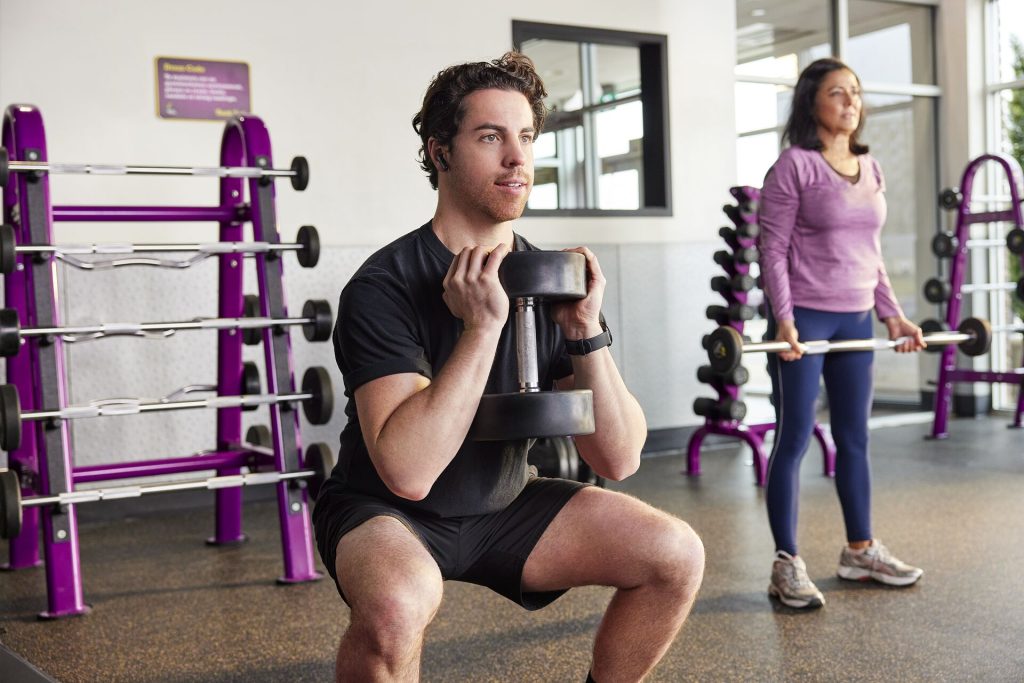
Overall, embracing functional training and its corresponding equipment can lead to improved overall health, better athletic performance, and enhanced quality of life. As the fitness community in the United States continues to grow, more individuals are recognizing the power of functional training and its capacity to transform not just athletic performance, but daily living.
DON’T MISS OUT: Click here to enhance your workout results
Benefits of Functional Training Equipment
Functional training equipment serves as a catalyst for achieving greater physical capabilities that extend beyond the gym. The appeal of this approach lies in the numerous advantages it brings to a person’s daily life, which are scientifically supported by numerous studies. By targeting strength, coordination, and endurance, the right functional training tools can revolutionize how individuals perform everyday tasks.
One of the most significant benefits is enhanced overall strength. Traditional weightlifting often isolates muscle groups, which can lead to imbalances and decreased functionality in real-world scenarios. Functional training equipment, on the other hand, promotes compound movements, engaging multiple muscle groups simultaneously. This results in a more balanced development of strength, which is crucial for maintaining proper posture, reducing the risk of injury, and improving the efficiency of movement patterns.
Another undeniable advantage of using functional training equipment is the improvement in core stability. Many functional exercises—such as those using medicine balls and resistance bands—require engagement of the core for both stabilization and movement. A strong core is critical in everyday activities, from lifting heavy objects to maintaining balance while navigating uneven surfaces. Furthermore, improved core strength enhances athletic performance, allowing for better power transfer and control.
In addition to strength and stability, integrating functional training equipment into your routine can lead to increased endurance and cardiovascular fitness. Using tools like kettlebells for high-intensity interval training (HIIT) can significantly elevate your heart rate, leading to improved cardiovascular health. Such workouts also tend to burn more calories in a shorter amount of time, making them ideal for those with busy schedules. Studies show that functional training can produce comparable, if not superior, benefits to traditional aerobic exercises, giving practitioners a time-efficient way to stay fit.
Accessibility is another major consideration. Many functional training tools can be used in various settings, be it at home, in a gym, or even outdoors. This adaptability allows individuals to create workouts that suit their specific needs and preferences. As a result, the barrier for entry is lowered, making functional fitness an appealing option for people of all ages and fitness levels. Here are some easy-to-integrate functional training equipment options:
- Kettlebells: Perfect for a full-body workout and enhancing explosive movements.
- Resistance bands: Ideal for both strength training and flexibility exercises, adapting easily to different strength levels.
- Medicine balls: Versatile tools for core exercises, enhancing power and coordination.
- Suspension trainers: Excellent for bodyweight exercises that improve strength while engaging multiple muscle groups.
Incorporating these tools into your workout regimen can help you achieve a well-rounded fitness level. As the fitness industry continues to emphasize functionality over aesthetics, understanding how to harness the benefits of functional training equipment can lead you to a healthier and more active lifestyle. It’s time to shift focus from isolated workouts to comprehensive functional routines that translate into real-world strength and endurance.
| Category | Key Benefits |
|---|---|
| Versatility | Functional training equipment can be used for various exercises, targeting multiple muscle groups and enhancing overall strength. |
| Injury Prevention | By improving core strength and stability, functional training helps lower the risk of injuries during daily activities. |
| Enhanced Performance | Utilizing functional training equipment improves athletic performance, making movements more efficient and powerful. |
| Adaptable for All Levels | Whether you’re a beginner or an advanced athlete, there’s a range of equipment and exercises that can fit your fitness level. |
Integrating functional training equipment into your routine invites a holistic approach to fitness. It encourages movements that mirror everyday tasks, fostering improved coordination and body awareness. Resistance bands, kettlebells, and <strong=medicine balls are just a few tools available, each offering unique benefits for strength, agility, and endurance. Leveraging these tools effectively can elevate your workout experience and provide substantial improvements in your overall physical health and performance. As you explore options, consider mixing various types of movements to keep your routine engaging and challenging. Incorporating circuit training, for example, can not only maximize calorie burn but also enhance muscle endurance, ensuring your body adapts and grows stronger over time.
DISCOVER MORE: Click here to enhance your knowledge
Integrating Functional Training Equipment into Your Routine
Integrating functional training equipment into your workout routine doesn’t require a complete overhaul of your existing regimen. Instead, it offers a seamless way to augment your current exercises, aligning them more closely with real-life movements. Here’s how you can effortlessly incorporate these versatile tools into your daily or weekly fitness activities.
One effective method is to blend functional exercises with traditional strength training. For instance, alternating between exercises like squats with kettlebells and traditional barbell squats can enhance your workout. The kettlebell introduces a dynamic element, challenging your balance and coordination while lifting. This fusion not only keeps your workouts engaging but also allows your body to adapt and level up in terms of functionality.
Another excellent approach is using supersets or circuit training formats. Creating a circuit that includes exercises such as banded squats, medicine ball throws, and suspension trainer rows allows for high-intensity workouts that target multiple fitness components. This method maximizes your time spent exercising while ensuring a comprehensive approach that nurtures strength, core stability, and cardiovascular endurance. For instance, a 30 to 45-minute circuit can consist of:
- 10 medicine ball slams – Engages the core and enhances power.
- 15 kettlebell swings – Transforms strength with a focus on hip extension.
- 10 rows with a suspension trainer – Develops upper body and core strength.
- 15 lunges with resistance bands – Improves lower body strength and stability.
Moreover, the flexibility of functional equipment allows for workouts to be tailored to your schedule and space availability. For those limited on time or resources, resistance bands and a single kettlebell can deliver a comprehensive workout in the comfort of your living room or backyard. Conversely, if you have access to a gym, adding various pieces of equipment can enhance both the variety and intensity of your sessions.
To keep the momentum going, consider setting aside designated days for integrating functional workouts, gradually increasing the complexity and volume as you grow comfortable. For example, designate two days a week as functional training days, opting for bodyweight exercises on your other training days. This strategy not only fosters consistency but also prevents burnout—an all too common obstacle on the road to fitness.
It’s worth noting the importance of education and proper technique. Using functional training equipment without adequate knowledge can lead to injury. Therefore, seeking expertise from certified trainers, and utilizing online resources or workout apps can guide you through form and technique. Many gyms now offer classes focused on functional training, which can provide excellent opportunities for structured learning.
As interest in functional training continues to grow across the United States, countless resources are available to equip you with all the tools needed to succeed. From free instructional videos on platforms like YouTube to premium subscriptions for personalized coaching, the functional fitness community is vibrant and supportive. Whether you’re a complete novice or looking to enhance your athletic performance, embracing functional training equipment can open a world of possibilities for a healthier, more versatile you.
DON’T MISS: Click here to learn how to listen to your body during training
Conclusion: Elevate Your Fitness with Functional Training
In summary, functional training equipment serves as a powerful ally in enhancing overall health and performance. By focusing on exercises that mimic real-life movements, these tools transform traditional workouts into dynamic, engaging experiences that improve strength, balance, and coordination. Integrating functional equipment such as kettlebells, resistance bands, and suspension trainers into your fitness routine not only prepares your body for everyday activities but also helps prevent injuries.
As outlined, the key to successfully incorporating this equipment lies in creativity and consistency. Whether you choose to blend functional exercises with conventional weightlifting or experiment with high-intensity circuits, the versatility of functional tools allows you to customize workouts to fit your lifestyle and goals. By starting small and gradually increasing complexity, you can enjoy a sustainable and rewarding fitness journey.
Moreover, the wealth of resources available—from online tutorials to local classes—ensures that you are never alone in your pursuit of functional fitness. This supportive community encourages learning and adaptation, enabling you to perfect your technique and achieve your desired outcomes.
Ultimately, embracing functional training equipment can unlock new dimensions of fitness, making it an invaluable addition to any workout regimen. As you explore the myriad possibilities of these tools, you’ll find yourself not just building strength, but also enhancing your quality of life. So why wait? Dive into the world of functional training today and experience the benefits firsthand!

Beatriz Johnson is a seasoned fitness specialist and writer with a passion for simplifying the complexities of strength training and gym workouts. With over a decade of experience in the fitness industry, she specializes in topics like weight training techniques, workout programming, and exercise science principles. Through her work, Beatriz empowers readers to make informed fitness decisions, build sustainable training habits, and stay ahead in their journey toward stronger, healthier bodies.