
The Fitness Methods Under Scrutiny
The fitness world is buzzing with various training techniques, and today, two methods stand out: High-Intensity Interval Training (HIIT) and Traditional Weight Training. Each has gained a loyal following, boasting unique benefits tailored to different fitness goals. But how do these two approaches truly compare?
- HIIT: A time-efficient workout that alternates between intense bursts of activity and short rest periods, allowing for significant calorie burning in a relatively short timeframe. An example could be sprinting for 30 seconds followed by a 30-second walk, repeated for 15-20 minutes.
- Traditional Weight Training: Focuses on lifting weights to build muscle strength and endurance through gradually increasing resistance. This may involve techniques such as deadlifts, squats, and bench presses, often performed in sets and repetitions.
As people strive for improved health and fitness outcomes, the debate continues: Which method leads to faster results? Enthusiasts advocate for HIIT’s ability to torch calories, claiming it can lead to substantial fat loss within weeks, while proponents of weight training highlight its role in building muscle mass, which subsequently boosts metabolism, making it easier to maintain a healthy weight over time.
Diverse Factors to Consider
Choosing between HIIT and traditional weight training involves understanding various factors such as:
- Goals: Clarifying your fitness objectives is crucial. Are you aiming for rapid fat loss with a focus on cardiovascular fitness, or is your goal to increase muscle mass and strength? Your priorities will dictate your choice.
- Time Efficiency: In today’s fast-paced world, time is often of the essence. HIIT workouts typically last between 20 to 30 minutes, making them ideal for individuals with tight schedules. Conversely, traditional weight training may necessitate longer sessions, especially if recovery time between sets is factored in.
- Injury History: Considering any previous injuries or physical limitations is vital. HIIT may not be advisable for individuals with joint issues due to its high-impact nature, while weight training can often be modified to cater to specific needs and injuries.
Both methods have their merits and can even complement each other in a comprehensive fitness regimen. For example, a well-rounded program may incorporate HIIT sessions to improve cardiovascular health alongside weight training to enhance muscle definition. It’s essential to explore these methods further, understanding the principles, advantages, and potential drawbacks of each training style to aid your fitness journey.
In conclusion, whether you gravitate towards the energetic bursts of HIIT or the steady weights of traditional training, your fitness journey is uniquely yours. Both methods offer significant benefits, and the choice ultimately hinges on personal goals, lifestyle, and preferences. The dynamic nature of fitness ensures that there’s something for everyone, encouraging a more engaged and healthier society.
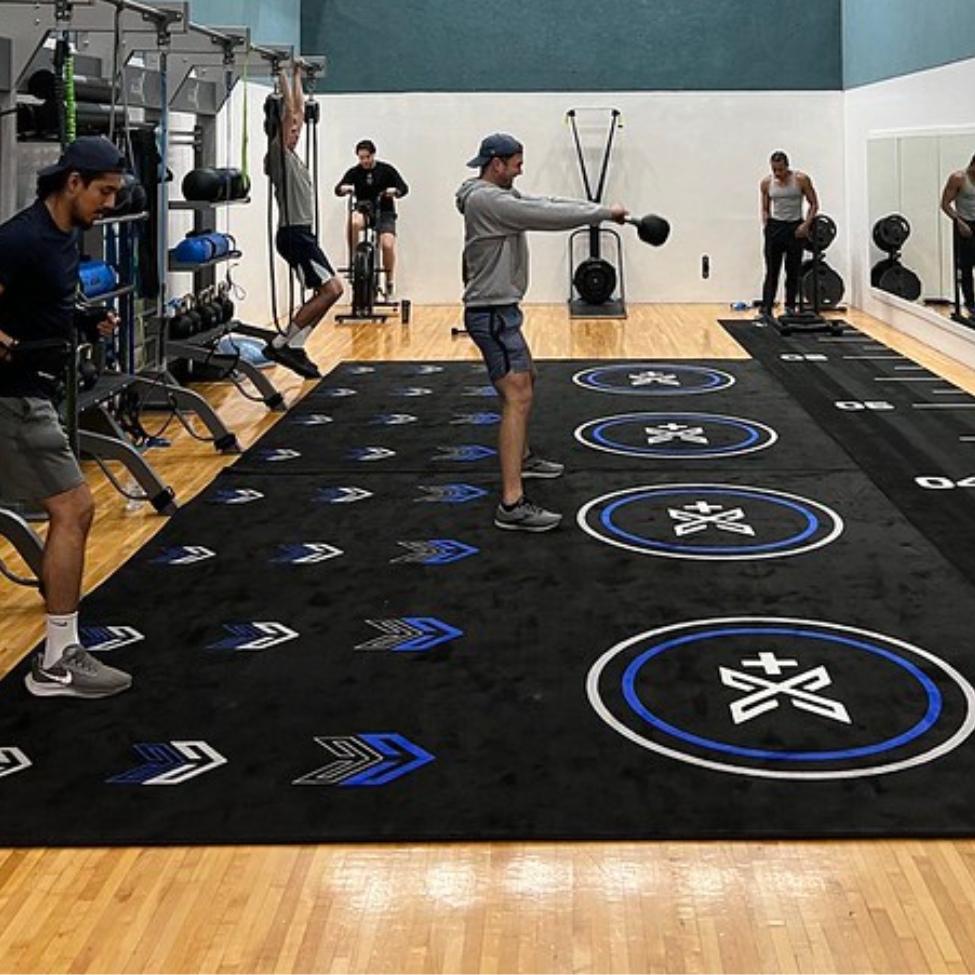
The Strengths of HIIT: Making Every Second Count
High-Intensity Interval Training (HIIT) has rapidly become a staple in modern fitness routines, prized for its efficiency and effectiveness. This training method capitalizes on short bursts of intense exercise followed by brief recovery periods, commonly lasting between 20 to 30 minutes. For fitness enthusiasts with busy schedules, this time-efficient workout offers a practical way to burn calories and improve cardiovascular health without requiring hours in the gym.
Scientific research backs the claims surrounding HIIT, indicating that it can significantly boost metabolism and enhance fat loss. According to a study published in the *Journal of Obesity*, HIIT was found to burn more calories in a shorter amount of time when compared to traditional continuous exercise. Additionally, HIIT workouts can continue to elevate your metabolic rate for hours post-exercise, a phenomenon known as the afterburn effect, which enhances caloric expenditure even while at rest.
The versatility of HIIT workouts is another attractive characteristic. They can be performed using a variety of exercises, including bodyweight movements, cycling, running, or even swimming. This adaptability makes it accessible for individuals at different fitness levels and preferences, ensuring that everyone can find a suitable variant of HIIT that aligns with their interests.
The Core of Traditional Weight Training
Traditional weight training, on the other hand, focuses on building strength and muscle through resistance exercises. This method typically involves performing sets of exercises, such as squats, deadlifts, or bench presses, at a slower pace with heavier weights. Over time, weight training not only increases muscle mass but also enhances bone density and overall functional strength.
One of the most compelling advantages of traditional weight training is its ability to foster long-term changes in body composition. According to the American College of Sports Medicine, increasing muscle mass can lead to a higher resting metabolic rate, ultimately playing a crucial role in weight management. This means that as you build muscle through traditional weight training, your body becomes a more efficient calorie-burning machine, even at rest.
Moreover, weight training is highly customizable, allowing individuals to tweak their routine according to their specific goals. Whether the aim is to gain size, increase endurance, or target particular muscle groups, there are countless variations and programs available to match a person’s preferences and requirements.
However, it’s important to note some common misconceptions. Many believe that weight training alone does not provide the cardiovascular benefits that HIIT does. In reality, compound exercises, which engage multiple muscle groups, can elevate heart rate and promote cardiovascular health effectively. Consequently, traditional weight training can coexist alongside HIIT, creating a balanced approach to fitness.
As the debate continues, the strengths and characteristics of both HIIT and traditional weight training highlight their unique contributions to fitness. Understanding these elements can aid individuals in making informed choices that align with their fitness aspirations and lifestyle preferences.
Understanding the Mechanisms Behind HIIT and Traditional Weight Training
To determine whether High-Intensity Interval Training (HIIT) or Traditional Weight Training is better for you, it’s essential to delve into their mechanics and the physiological responses they elicit. Each training method offers distinct advantages that cater to varying fitness levels and goals.One of the primary characteristics of HIIT is the emphasis on maximizing intensity within a short time frame. Sessions typically last between 15 to 30 minutes and involve alternating bursts of high-intensity exercises with periods of rest or lower intensity. This approach not only enhances cardiovascular fitness but also promotes a higher rate of caloric burn post-exercise, an effect known as excess post-exercise oxygen consumption (EPOC). Research suggests that participants who engage in HIIT can continue to burn calories up to 48 hours after a session, making it an efficient choice for those with limited time.On the other hand, Traditional Weight Training focuses on muscle hypertrophy and strength development through resistance exercises targeting specific muscle groups. Lifting heavier weights with fewer repetitions can lead to substantial muscle gain and increases in basal metabolic rate (BMR), which can be advantageous for long-term weight maintenance. Furthermore, traditional resistance training can enhance joint stability and overall functional fitness, making it an essential component for individuals looking to improve their performance in daily activities or other sports.While HIIT offers additional cardiovascular benefits and efficient calorie burning, Traditional Weight Training builds muscle strength and endurance extensively. Ultimately, the decision may come down to personal preferences, fitness goals, and physical abilities, compelling you to explore both training styles for a balanced fitness regimen.
Table Comparison of HIIT and Traditional Weight Training
| Training Method | Advantages |
|---|---|
| HIIT | Time-efficient calorie burning with improved cardiovascular health and prolonged EPOC effect. |
| Traditional Weight Training | Increases strength and muscle mass, providing foundational support for overall fitness and functional movements. |
Exploring both HIIT and Traditional Weight Training can offer a broader range of benefits that may align more closely with your individual health and fitness aspirations. As you continue to weigh the options, consider integrating components of both into your routine for a well-rounded approach to fitness.
The Benefits of Weight Training: Crafting Strength and Endurance
While High-Intensity Interval Training (HIIT) offers a unique approach to cardiovascular fitness and calorie burning, traditional weight training has its own set of prominent advantages that cater to specific fitness goals. One notable benefit of weight training is its profound impact on developing strength and power. Compound movements like squats, deadlifts, and bench presses not only activate multiple muscle groups but also improve functional strength, enabling individuals to perform daily activities with greater ease and efficiency.
Research indicates that strength training can significantly enhance athletic performance. A study published in the *Journal of Strength and Conditioning Research* highlighted that athletes who incorporated weight training into their routines demonstrated substantial increases in their power output and speed during their sports. This is particularly relevant for sports that require explosive movements, underscoring how traditional weight training serves as a solid foundation for strength development.
Another area where weight training shines is injury prevention. By strengthening muscles, ligaments, and tendons, traditional weight training helps create a robust musculoskeletal system, which can significantly reduce the risk of injuries during other high-impact activities, including various forms of cardio such as running or HIIT workouts. The *American Journal of Sports Medicine* also emphasizes the importance of resistance training in rehabilitating existing injuries, advocating for its inclusion in recovery programs.
The psychological benefits of weight training are equally noteworthy. Regular resistance training can combat anxiety and improve mood, partly due to the release of feel-good hormones called endorphins. Moreover, setting and achieving personal goals within weight training can boost confidence and self-esteem, leading to a more positive body image—a factor that can enhance overall mental health.
The Community Aspect: Building Connections
Another significant appeal of traditional weight training is the community it fosters. Gyms often bring together individuals who share similar goals and interests, allowing for social connections that can enhance motivation and accountability. Group classes focused on lifting, personal training sessions, or simply sharing routines with friends create a sense of camaraderie that can be beneficial for long-term consistency in fitness endeavors.
Furthermore, technology has begun to impact traditional weight training as well. Nowadays, fitness trackers and mobile applications allow individuals to log their workouts, monitor progress, and customize routines more effectively than ever before. With advancements like virtual coaching and online platforms offering program guidance, traditional weight training is becoming more accessible and tailored to the needs of modern fitness enthusiasts.
In comparison, while HIIT emphasizes rapid calorie burn and cardiovascular gains, traditional weight training holds its ground as an essential component of a well-rounded fitness regimen focused on strength, endurance, holistic health, and social engagement. By incorporating elements of both training styles, individuals can enjoy the benefits of improved cardiovascular health while also building a strong, resilient, and capable body.
Conclusion: A Balanced Approach to Fitness
In the fitness landscape, the debate between High-Intensity Interval Training (HIIT) and traditional weight training continues to thrive, and rightly so. Each method offers its unique advantages, appealing to different fitness enthusiasts based on their personal goals and preferences. HIIT is optimal for those seeking rapid calorie burning and cardiovascular conditioning within a time-efficient format. Its potential to boost metabolic rates even post-exercise is particularly attractive for individuals with busy schedules looking to maximize results in minimal time.
Conversely, traditional weight training stands firm on its laurels in building strength, enhancing athletic performance, and promoting injury prevention. Its role in creating a supportive community and fostering mental well-being equips it with compelling benefits beyond physical fitness. The intricate nature of resistance training aids in formulating a resilient body that can withstand the rigors of both daily life and recreational activities.
Ultimately, there is no one-size-fits-all answer to the question of which training modality is superior. The best approach may lie in a harmonious integration of both HIIT and weight training, allowing individuals to reap cardiovascular benefits while simultaneously cultivating strength and endurance. As fitness enthusiasts navigate their unique journeys, they should consider experimenting with both styles to discover their optimal blend for achieving overall health and wellness. The future of fitness is undoubtedly versatile, and the power lies in personal choice and adaptability.

Beatriz Johnson is a seasoned fitness specialist and writer with a passion for simplifying the complexities of strength training and gym workouts. With over a decade of experience in the fitness industry, she specializes in topics like weight training techniques, workout programming, and exercise science principles. Through her work, Beatriz empowers readers to make informed fitness decisions, build sustainable training habits, and stay ahead in their journey toward stronger, healthier bodies.