
The Essential Role of Nutrition in Achieving Fitness Goals
Food is the fuel that powers your fitness journey. To maximize your results, it is essential to adapt your diet according to your training goals. Whether you aim for muscle gain or weight loss, your nutritional choices will play a pivotal role in achieving success. In understanding this interplay, one typically discovers that effective training isn’t just about the amount of time spent in the gym; rather, it is closely tied to the choices made in the kitchen.
Each training goal requires a distinct approach to diet. Here are key factors that differentiate the two:
- Muscle Gain: Focus on increased caloric intake with protein-rich foods. This means incorporating sources such as lean meats, eggs, and dairy into your meals. Studies show that consuming about 1.6 to 2.2 grams of protein per kilogram of body weight can significantly enhance muscle growth. Furthermore, healthy fats like avocados and nuts can add necessary calories while also supporting hormone production.
- Weight Loss: Emphasize a caloric deficit while incorporating nutrient-dense options. Foods like leafy greens, fruits, and whole grains provide essential nutrition without excessive calories. For example, swapping out high-calorie snacks for a handful of almonds or a piece of fruit can significantly benefit your weight loss journey.
- Macronutrient Ratios: Balance carbohydrates, fats, and proteins differently for optimal results. For muscle gain, a common approach is the 40-30-30 ratio of carbohydrates, proteins, and fats. However, for weight loss, you might shift to a 30-50-20 ratio, prioritizing carbohydrates while maintaining protein intake to prevent muscle loss during weight reductions.
Have you ever wondered why some diets work wonders for building muscle but fall flat for losing weight? Understanding your body’s needs and the science behind nutrition is crucial. Research indicates that diets rich in protein can enhance satiety, which is beneficial for those aiming to shed pounds. In contrast, athletes focused on hypertrophy often find success by increasing their caloric intake through specifically tailored meal plans.
Dive deeper into the world of nutrition to unlock your potential. This exploration can provide invaluable insights into meal planning, timing, and supplementation that best align with your fitness ambitions. Engaging with resources such as dietetic professionals, fitness coaches, or credible online platforms can help in crafting a plan that is not only effective but sustainable over the long term.
This article aims to guide you through the nuances of tailoring your diet to support either muscle gain or weight loss. Embrace the science of nutrition, and prepare to transform your fitness regimen with smart nutritional choices that complement your training goals. Ultimately, the synergy between diet and exercise can lead to phenomenal outcomes, making every workout worthwhile.
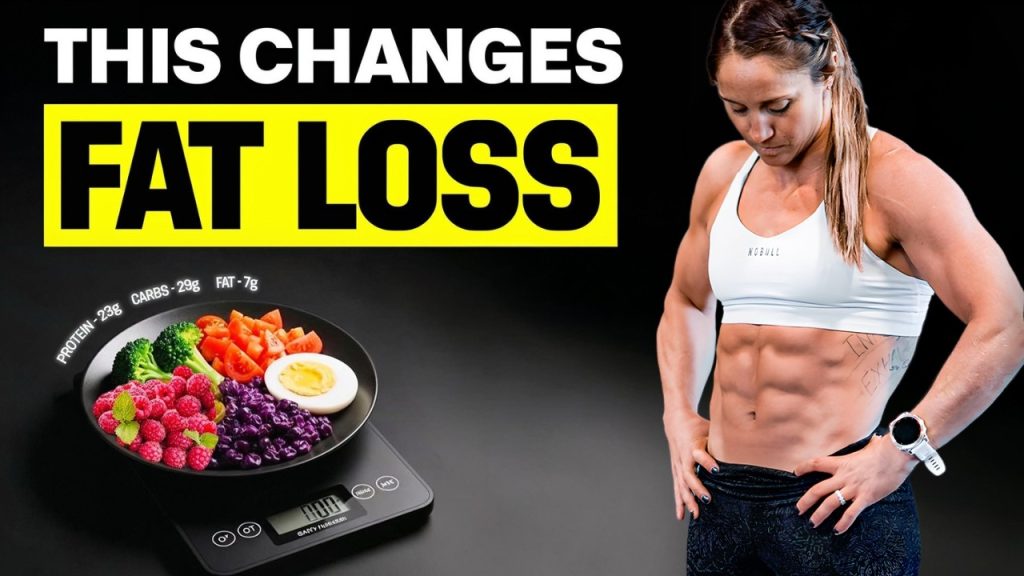
DISCOVER MORE: Click here to enhance your workout experience
Understanding Your Calories: The Foundation of Nutrition Strategies
When it comes to adapting your diet for distinct training goals, the concept of calories serves as the cornerstone of your nutritional strategies. The primary difference between muscle gain and weight loss lies in whether you are in a caloric surplus or deficit. A caloric surplus, created by consuming more calories than you expend, is essential for those aiming to build muscle. In contrast, a caloric deficit, achieved by consuming fewer calories than you burn, is crucial for anyone looking to shed unwanted pounds.
To effectively tailor your diet, it is important to start by calculating your Basal Metabolic Rate (BMR). This measurement represents the number of calories your body requires at rest to maintain basic physiological functions. Once you have your BMR, you can adjust your nutritional intake based on your activity level. For those focused on muscle gain, you may add 250 to 500 calories per day to create that surplus, while individuals pursuing weight loss might reduce their intake by 500 to 750 calories daily to facilitate effective fat burning.
The Importance of Food Quality
While the quantity of calories is vital, the quality of the food you consume cannot be overlooked. Different food choices can significantly impact your mood, energy levels, and performance in the gym. Here are some key examples to consider:
- Complex Carbohydrates: Foods like brown rice, sweet potatoes, and whole grain pasta are integral for muscle gain, providing the necessary energy for intense workouts. For weight loss, these foods still play a significant role due to their fiber content, which assists in keeping you full and satisfied.
- Protein Sources: Opt for lean meats, fish, plants, and dairy—consuming adequate protein is essential for muscle recovery and growth. Notably, protein-rich foods can also support weight loss by promoting a feeling of fullness.
- Healthy Fats: Incorporating unsaturated fats from sources like olive oil, avocados, and nuts can enhance caloric intake for muscle gain. When aiming for weight loss, it’s crucial to focus on portion sizes to avoid excess calories.
Research has shown that prioritizing nutrient-dense foods not only boosts performance but also contributes to overall health and well-being. For instance, a diet rich in fruits and vegetables, which pack a wealth of vitamins and minerals, can bolster your immune system and improve recovery times regardless of your goals.
The Role of Meal Timing and Frequency
Another factor to consider when adapting your diet is meal timing and frequency. Regularly spaced meals can be beneficial for both muscle gain and weight loss strategies. Eating every 3 to 4 hours helps in managing hunger and stabilizing blood sugar levels, providing a steady source of energy for workouts while ensuring that you maintain muscle mass. However, the emphasis will shift depending on your goals, with a focus on pre- and post-workout nutrition being particularly important for muscle gain.
By understanding these underlying principles of caloric intake, food quality, and meal timing, you will be better equipped to fine-tune your nutritional approach to support your training goals, whether they be gaining muscle or losing weight. This foundational knowledge paves the way to attain your fitness aspirations with successful dietary adaptations.
Differentiating Nutritional Needs: Muscle Gain vs. Weight Loss
When it comes to optimizing your dietary strategy for specific training outcomes, understanding the foundation of muscle gain and weight loss is essential. These two objectives often require opposite approaches to macronutrient distribution, calorie intake, and meal timing. For muscle gain, the primary goal is to create a caloric surplus while ensuring an adequate intake of protein. Incorporating high-quality protein sources like lean meats, dairy, legumes, and plant-based proteins becomes crucial. Research indicates that aiming for about 1.6 to 2.2 grams of protein per kilogram of body weight can significantly enhance muscle synthesis. Carbohydrates also play a vital role, as they replenish glycogen stores that fuel intense workouts.On the flip side, if weight loss is your goal, the focus shifts to achieving a caloric deficit. This requires careful planning to ensure that every meal is nutrient-dense yet lower in calories. Studies suggest that increasing fruit and vegetable intake can promote satiety and reduce overall caloric consumption. Moreover, incorporating healthy fats, like those from avocados and nuts, helps maintain energy levels while keeping you feeling full.Memory serves as an important factor for both dietary strategies. Timing your meals can also enhance performance and recovery. Athletes aiming for muscle gain may benefit from consuming protein-rich foods shortly after their training sessions to maximize muscle repair. Conversely, those focused on weight loss might emphasize spacing meals throughout the day to avoid hunger-induced overeating.Focusing on hydration is essential regardless of your goal. Staying well-hydrated supports metabolic processes and can improve training outcomes. Including electrolytes in your hydration strategy, especially during intense workout sessions, can further enhance performance and recovery.Now that we understand the differences in nutritional requirements between muscle gain and weight loss, let’s take a closer look at the benefits involved in tailoring your diet effectively for each training goal.
| Muscle Gain | Weight Loss |
|---|---|
| Increased muscle mass | Improved body composition |
| Enhanced strength and performance | Boosted metabolic rate |
Understanding and implementing these dietary adaptations become crucial for achieving your specific fitness goals. Each approach requires discipline and a commitment to adapting your nutrition based on the demands of your training regimen. Whether you are striving for muscle gain or embarking on a weight loss journey, Gaining insights into how to fuel your body correctly will ultimately pave the way for successful and sustainable outcomes.
DISCOVER MORE: Click here for effective workout routines
Macro Balance: The Key to Nutritional Success
Understanding the role of macronutrients—carbohydrates, proteins, and fats—is paramount when tailoring your diet for either muscle gain or weight loss. Each macronutrient serves specific functions, and their ratios can be adjusted to fit your training goals.
Carbohydrates: Fueling Performance
For individuals pursuing muscle gain, carbohydrates are your primary source of energy. Carbs not only provide the necessary fuel for rigorous training sessions but also promote the release of insulin, a hormone that plays a significant role in muscle growth by facilitating the transport of nutrients into muscle cells. Aim to consume about 45-65% of your daily calories from carbohydrates if this is your goal. Ideal sources include fruits, hearty grains, and starchy vegetables, providing vital nutrients that enhance recovery.
Conversely, for those focused on weight loss, adjusting carbohydrate intake can be beneficial. Many successful weight loss strategies leverage a slightly lower percentage of calories from carbs, often recommending around 35-50%. The emphasis should be placed on low-glycemic carbohydrates, such as legumes and green vegetables, which can help you feel full longer and prevent dramatic spikes in blood sugar. This helps in controlling cravings and energy levels throughout the day.
Protein: The Building Block of Muscle and Satiety
Protein intake is crucial for both goals, but the amount may vary. For muscle gain, it is recommended to consume approximately 1.6-2.2 grams of protein per kilogram of body weight daily. This higher intake helps to stimulate muscle protein synthesis, allowing for growth and recovery. Quality protein sources like chicken, turkey, fish, eggs, and plant-based options such as lentils and quinoa are ideal.
In contrast, when focusing on weight loss, it’s wise to increase protein intake to enhance satiety and maintain muscle mass while in a caloric deficit. Studies suggest a protein intake of around 1.6 grams per kilogram of body weight can be beneficial, helping to preserve lean muscle as you reduce overall body fat. Aside from the satiating power of protein, it also requires more energy for digestion, thereby contributing to a higher thermic effect of food.
Fats: Support for Hormonal Balance
Fats are another critical macronutrient that plays a vital role in hormonal balance, energy, and the absorption of fat-soluble vitamins (A, D, E, and K). For individuals aiming for muscle gain, healthy fats should comprise around 20-30% of total caloric intake. Sources like avocados, nuts, seeds, and olive oil provide essential fatty acids that support recovery and hormone production.
On the other hand, weight loss strategies often suggest a similar range of 20-30% of total calories from fats. Nonetheless, it’s essential to prioritize healthy fats while monitoring portions. Keeping fat sources diverse ensures that you’re not only cutting calories but also receiving the necessary nutrients for overall health.
Hydration and Its Impact on Performance
Finally, it’s essential to address the often-overlooked aspect of hydration. Staying adequately hydrated impacts energy levels, metabolic processes, and overall performance, regardless of whether your goal is muscle gain or weight loss. Dehydration can lead to fatigue and diminished exercise performance, making it imperative to consume ample fluids before, during, and after workouts. Aim for at least half your body weight in ounces of water daily, increasing that amount based on activity levels and climate conditions.
By taking a closer look at macronutrient ratios, food quality, and hydration, you can create a personalized dietary strategy that aligns with your specific training objectives. This understanding empowers you to not only fuel your body effectively but also make informed decisions that foster sustainable progress in your fitness journey.
DISCOVER MORE: Click here to learn about the role of plant proteins in muscle building
Final Thoughts: Tailoring Your Diet for Optimal Results
In the quest for fitness, understanding how to adapt your diet for different training goals—whether it’s muscle gain or weight loss—is crucial for success. It’s clear that your macronutrient balance plays a pivotal role in achieving the desired results. Both objectives require a strategic approach to carbohydrates, proteins, and fats, allowing you to optimize your energy and recovery. Importantly, the percentage of daily caloric intake that comes from each macronutrient can significantly influence your progress.
As we’ve explored, while individuals focused on muscle gain should emphasize higher carbohydrate and protein intake to fuel energy needs and stimulate muscle synthesis, those aiming for weight loss should consider a lower carbohydrate ratio, paired with increased protein, to promote fullness and preserve lean muscle. Balancing healthy fats remains essential for both goals, providing necessary support for hormone regulation and nutrient absorption.
Furthermore, never underestimate the importance of hydration and its impact on overall performance. Staying adequately hydrated can make a notable difference in your training effectiveness and recovery. Keep in mind that successful dietary adaptation is not solely about the numbers; it’s also about sourcing quality nutrients and listening to your body’s signals.
Ultimately, crafting a dietary strategy that aligns with your unique fitness goals can pave the way for sustained success. By embracing these guidelines, you empower yourself to engage in a proactive approach to nutrition, thereby enhancing not only your physical capabilities but also your overall well-being. Delve deeper into these topics, experiment with your meal plans, and enjoy the transformative journey of fitness and nutrition.

Beatriz Johnson is a seasoned fitness specialist and writer with a passion for simplifying the complexities of strength training and gym workouts. With over a decade of experience in the fitness industry, she specializes in topics like weight training techniques, workout programming, and exercise science principles. Through her work, Beatriz empowers readers to make informed fitness decisions, build sustainable training habits, and stay ahead in their journey toward stronger, healthier bodies.