
Understanding Key Nutrients for Muscle Gain
When it comes to building muscle, a comprehensive approach that encompasses a balanced diet is paramount. The relationship between nutrition and strength training cannot be overstated; your body requires specific nutrients to effectively repair and grow muscle tissue after rigorous workouts. Thus, a solid understanding of how to construct a balanced diet is essential for anyone aiming to achieve their fitness goals through strength training.
Three major dietary components play a significant role in muscle gain:
- Protein: This macronutrient is critical for the repair and growth of muscle fibers. Post-workout, your muscles are primed to absorb protein, which can be sourced from a variety of foods. Lean meats such as chicken and turkey, fish options like salmon, plant-based sources such as legumes and tofu, as well as dairy products like Greek yogurt are all excellent choices. For those looking to supplement, protein powders such as whey or pea protein can be a convenient addition.
- Carbohydrates: Essential for fueling your workouts, carbohydrates provide the energy needed for effective training sessions. For optimal performance, focus on whole grains such as brown rice, quinoa, and oats, as well as fruits like bananas and berries. Incorporating a variety of vegetables not only offers carbohydrates but also vital vitamins and minerals that support overall health.
- Fats: Often misunderstood, healthy fats are crucial for maintaining hormonal balance, which impacts muscle growth and recovery. Embrace sources of healthy fats such as avocados, nuts, and olive oil. These not only help in reducing inflammation but also serve as a crucial energy reserve for long workouts.
The Importance of Timing and Portions
In addition to incorporating these nutrients into your diet, the timing and portion sizes of meals significantly affect muscle gain. Consuming nutrient-dense meals and snacks at the right intervals can enhance recovery times and maximize performance. For instance, a well-timed meal containing protein and carbohydrates after a workout is crucial for muscle recovery.
Understanding your specific needs in terms of macronutrient ratios can help you develop an individualized eating plan. For example, a common guideline might be to consume about 1.6 to 2.2 grams of protein per kilogram of body weight for muscle gain, while 45-65% of your total daily calories should come from carbohydrates, depending on your activity level.
As you embark on your muscle-building journey, consider regularly monitoring your dietary intake and training progress. Not only will this allow you to make informed adjustments to your meal plan, but it will also guide you towards achieving optimal results in your strength training endeavors. With the right balance of nutrients, dedication, and thoughtful planning, the path to a stronger physique becomes an achievable goal.
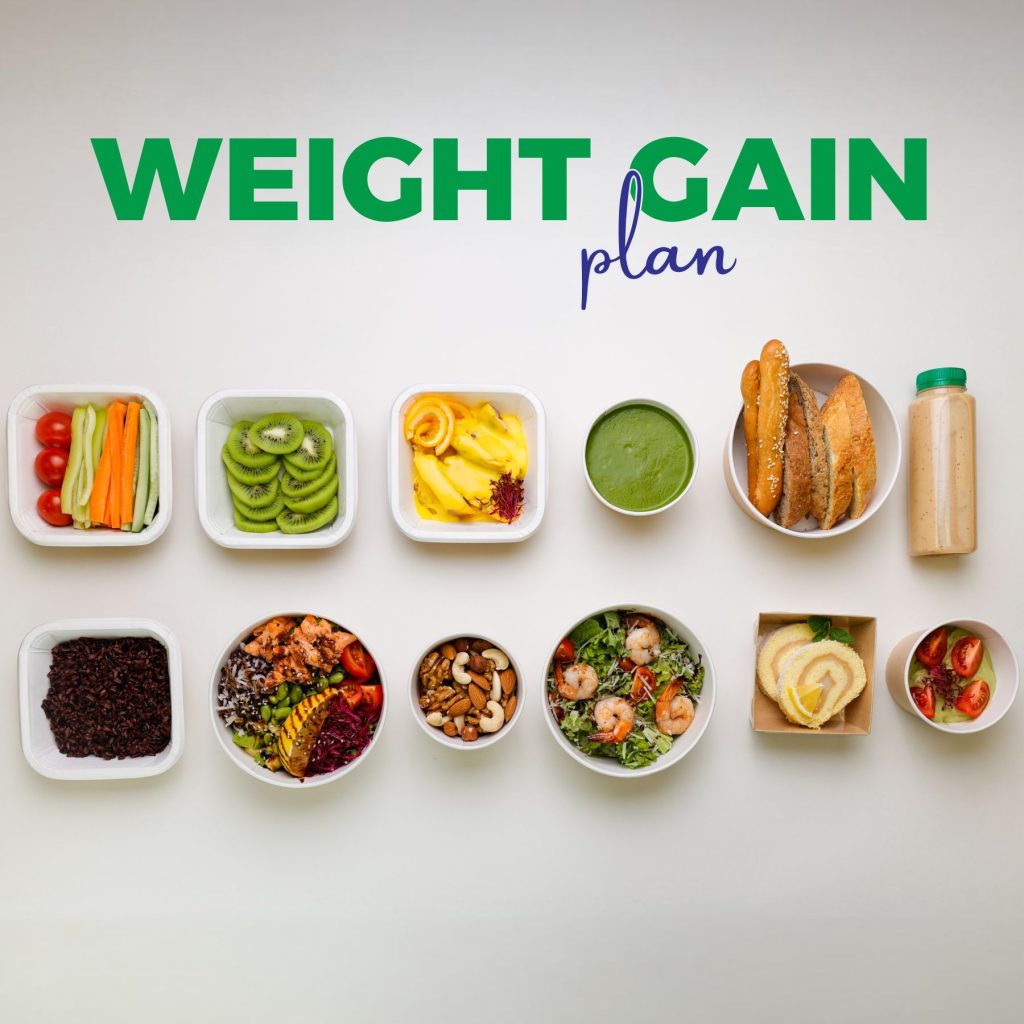
DIVE DEEPER: Click here to unlock powerful training techniques
Crafting Your Muscle-Gain Meal Plan
Creating a balanced diet for muscle gain involves more than merely piling on protein and reducing carbs; it’s a nuanced approach that requires meticulous planning and knowledge of your body’s needs. To tailor a meal plan that supports muscle hypertrophy, consider your daily calorie intake and the distribution of macronutrients. The journey begins with calculating your basal metabolic rate (BMR) and total daily energy expenditure (TDEE), which will guide you in establishing a caloric surplus—essential for muscle gain. A surplus typically ranges from 250 to 500 calories above your TDEE.
As you formulate your diet, focus on a diverse array of foods to satisfy your macronutrient needs. A balanced muscle-building diet generally comprises the following:
- Protein Sources: Aim for a variety of protein-rich foods to obtain different amino acids. Incorporating protein at each meal maximizes muscle repair. Sources include lean cuts of beef for iron, eggs for high biological value protein, and legumes such as lentils for plant-based benefits.
- Complex Carbohydrates: Not all carbs are created equal. Focus on complex carbohydrates, which provide a slower release of energy, sustaining you throughout the day. Foods like sweet potatoes, whole grain bread, and starchy vegetables fit the bill and should form the backbone of your meals.
- Healthy Fats: While it’s critical to curtail unhealthy fat intake, embracing sources of healthy fats helps with hormone regulation and nutrient absorption. Include options like almonds, flaxseeds, and fatty fish like mackerel to strike the right balance.
Furthermore, the timing of macronutrient consumption is vital. Research suggests that distributing protein intake throughout the day—targeting approximately 25-30 grams per meal—is optimal for muscle synthesis. Consider pre- and post-workout periods as critical windows for nutrient delivery. Consuming a meal rich in protein and carbohydrates within two hours after your workout can significantly enhance recovery and muscle growth.
Don’t overlook hydration. Water acts as an essential component of muscle function and recovery. Aim for adequate fluid intake, especially surrounding your workout sessions. Keeping your body well-hydrated supports overall performance and recovery, making it an invaluable part of your nutrition strategy.
Planning a balanced diet for muscle gain is a dynamic process that often requires adjustments based on progress and feedback from your body. Monitor your weight and muscle growth, making necessary tweaks in your caloric intake and macronutrient distribution as you advance in your training. The more personalized your approach, the better your results will be. With dedication and intention, your dietary choices can propel you towards your fitness aspirations.
Understanding Macronutrients for Muscle Growth
When planning a balanced diet for muscle gain, it is essential to understand the role of macronutrients: proteins, carbohydrates, and fats. Each macronutrient serves specific functions that are integral to achieving your fitness goals.
Proteins: The Building Blocks
Proteins are crucial for muscle repair and growth. Consuming an adequate amount of protein helps to stimulate muscle protein synthesis, which is necessary for recovery after workouts. Aim for a daily protein intake of about 1.6 to 2.2 grams per kilogram of body weight, depending on your activity level and muscle-building goals. Sources such as lean meats, fish, eggs, dairy, and plant-based proteins like lentils and chickpeas are excellent options.
Carbohydrates: Energy for Performance
Carbohydrates provide the energy needed for intense workouts. They replenish glycogen stores, which fuels your muscles during exercise. Aim for complex carbohydrates like whole grains, fruits, and vegetables, which not only provide energy but also essential vitamins and minerals. A general guideline is to consume about 3 to 7 grams of carbohydrates per kilogram of your body weight, tailored to your training intensity.
Fats: Supporting Overall Health
Fats play a vital role in hormone production and the absorption of fat-soluble vitamins. Healthy fats from avocados, nuts, seeds, and olive oil can support overall wellness while promoting muscle gain. They should comprise about 20 to 35% of your total caloric intake, ensuring you maintain balanced nutrition.By understanding and incorporating these macronutrients into your diet, you will create a solid foundation for muscle gain. This approach not only assists in building strength but also enhances overall performance, allowing you to push your limits and reach optimal fitness goals. In the next section, we will explore meal planning strategies that align with these macronutrient guidelines.
| Category | Details |
|---|---|
| Protein Sources | Lean meats, fish, eggs, dairy, legumes. |
| Carbohydrate Sources | Whole grains, fruits, vegetables. |
| Healthy Fats | Nuts, seeds, avocado, olive oil. |
| Macronutrient Ratios | Proteins: 1.6-2.2g/kg, Carbs: 3-7g/kg, Fats: 20-35% of total calories. |
DISCOVER MORE: Click here to learn about the impact of nutrition on muscle strength
Understanding Nutrient Density and Quality
While knowing the right quantity of macronutrients is essential for muscle gain, it’s equally important to factor in the quality of food. Muscle building isn’t just about hitting those protein and carbohydrate targets; the nutritional density of your foods can greatly impact your overall health and wellness, which inevitably influences muscle recovery and growth. Opt for whole, minimally processed foods whenever possible; they typically have more vitamins, minerals, and antioxidants compared to their processed counterparts.
For instance, swapping out white rice for quinoa not only provides a complete protein source but also offers additional fibers and micronutrients such as magnesium and phosphorus—important for muscle function and energy metabolism. Similarly, consider integrating a rainbow of fruits and vegetables into your diet. Foods like spinach and broccoli deliver essential vitamins while being low in calories. These nutrient-dense options not only support muscle function but also reduce inflammation, promoting quicker recovery post-workout.
Strategizing Meal Frequency
The timing and frequency of your meals can also play a pivotal role in muscle gain. Aim for 4-6 meals per day to maintain a steady flow of nutrients. Eating more frequently can help you consume the necessary calories for muscle gain without feeling overly stuffed. If you’re struggling to hit your caloric goals, consider incorporating snacks that are both high in protein and energy-dense, such as Greek yogurt with fruits or a protein shake with nut butter.
When selecting your meals, think about including pre-workout and post-workout options. Foods high in carbohydrates along with a moderate protein intake before workouts can provide the necessary energy for optimal performance. An example is a banana with a protein shake or a little oatmeal topped with nuts and fruit. After your workout, focus on high-quality protein paired with carbohydrates—chicken breast with sweet potatoes or a protein smoothie can work wonders for recovery and muscle growth.
Supplements: Do You Need Them?
In the realm of muscle-building nutrition, you may find yourself wondering whether supplements are necessary. While a well-rounded diet rich in whole foods should be your primary source of nutrients, certain supplements can complement your efforts effectively. Whey protein remains a popular choice due to its rapid absorption and convenience, particularly for post-workout recovery. Other beneficial supplements include creatine, which can enhance strength and power output, and BCAAs (branched-chain amino acids), which may help reduce muscle soreness.
Remember, however, that supplements should never replace meals. They’re there to fill gaps, ensuring your dietary regime remains robust and comprehensive. Each individual’s needs will differ based on various factors including activity levels, age, and personal goals, so always consider consulting a healthcare or nutrition professional before diving into supplementation.
Ultimately, creating a balanced diet for muscle gain is an ongoing experiment. As you introduce new foods and adjust your macronutrient ratios, pay attention to how your body responds. Use tools such as food journals or apps to track progress, and remain flexible with your approach. By understanding the intricacies of nutrient quality, meal timing, meal frequency, and potential supplementation, you usher in the possibility for meaningful gains towards your muscle-building aspirations.
DISCOVER MORE: Click here to dive deeper
Final Thoughts on Planning a Balanced Diet for Muscle Gain
In conclusion, effectively planning a balanced diet for muscle gain requires a multi-faceted approach that balances macros, prioritizes nutrient-dense foods, and considers meal timing and frequency. There’s no one-size-fits-all solution, as individual needs will vary based on factors such as your activity level, metabolism, and specific fitness goals. By focusing on high-quality proteins, complex carbohydrates, and healthy fats, you can provide your body with the essential nourishment it needs to recover and build muscle efficiently.
Implementing a meal structure that includes 4-6 meals per day not only ensures a steady supply of nutrients but also maximizes your caloric intake without discomfort. Recognizing the significance of pre-workout and post-workout nutrition can further enhance your performance and recovery, solidifying the foundation for muscle growth. As you explore the use of supplements, remember they should serve only as an addition to, not a replacement for, a well-rounded diet.
As you embark on this journey of optimizing your diet for muscle gain, be patient and observant of your body’s responses to changes in your nutritional intake. Keeping a food journal may be an effective way to identify what works best for you. Armed with this knowledge and an adaptable mindset, you can effectively pave the way to achieving your muscle-building objectives. Indeed, a well-planned, nutritious approach is your best ally in sculpting that desired physique while retaining overall health and vitality.

Beatriz Johnson is a seasoned fitness specialist and writer with a passion for simplifying the complexities of strength training and gym workouts. With over a decade of experience in the fitness industry, she specializes in topics like weight training techniques, workout programming, and exercise science principles. Through her work, Beatriz empowers readers to make informed fitness decisions, build sustainable training habits, and stay ahead in their journey toward stronger, healthier bodies.