
The Intersection of Strength and Functional Training
The landscape of fitness has undergone a significant transformation, evolving from isolated strength training regimes to a more holistic approach that intertwines both strength and functional training. This paradigm shift recognizes that while muscle development is vital, the ability to perform daily tasks efficiently and safely is equally important. This understanding has paved the way for fitness enthusiasts and professionals to adopt training methodologies that enhance overall quality of life.
Functional training emphasizes movements that are essential for everyday tasks, making workouts not only more applicable but also enjoyable. Instead of targeting specific muscle groups in isolation, functional training incorporates exercises that engage multiple muscle groups, often mimicking movements we perform daily. This approach has gained traction among individuals ranging from athletes to seniors, as it promotes strength and agility necessary for maintaining independence and reducing the risk of injury.
Among the numerous benefits of integrating functional training into your fitness routine, several stand out:
- Improved Mobility: Engaging in functional exercises helps enhance flexibility and range of motion, enabling better performance in activities like bending down to pick something up or reaching overhead.
- Better Stability: Many functional exercises target the core, bolstering stability and balance, which is crucial for injury prevention during physical activities such as running or cycling.
- Increased Strength: By utilizing multi-joint movements such as squats and deadlifts, functional training builds functional strength that aligns well with real-life actions like lifting heavy bags of groceries or playing with children.
Imagine preparing for a family outing that requires you to load the car with beach gear or navigating a hiking trail. These routines highlight the importance of maintaining body strength and agility. Incorporating functional exercises into your regimen not only enhances your physical capabilities but also prepares you for spontaneous challenges during your day-to-day activities.
Transitioning to a functional training routine can be seamless. Start by evaluating your current strength workouts and identifying opportunities for improvement. Consider adding exercises that activate core muscles while performing movements like lunges or kettlebell swings. Programs that integrate plyometric training or circuit training can also incorporate elements of cardio, enhancing endurance while reinforcing strength.
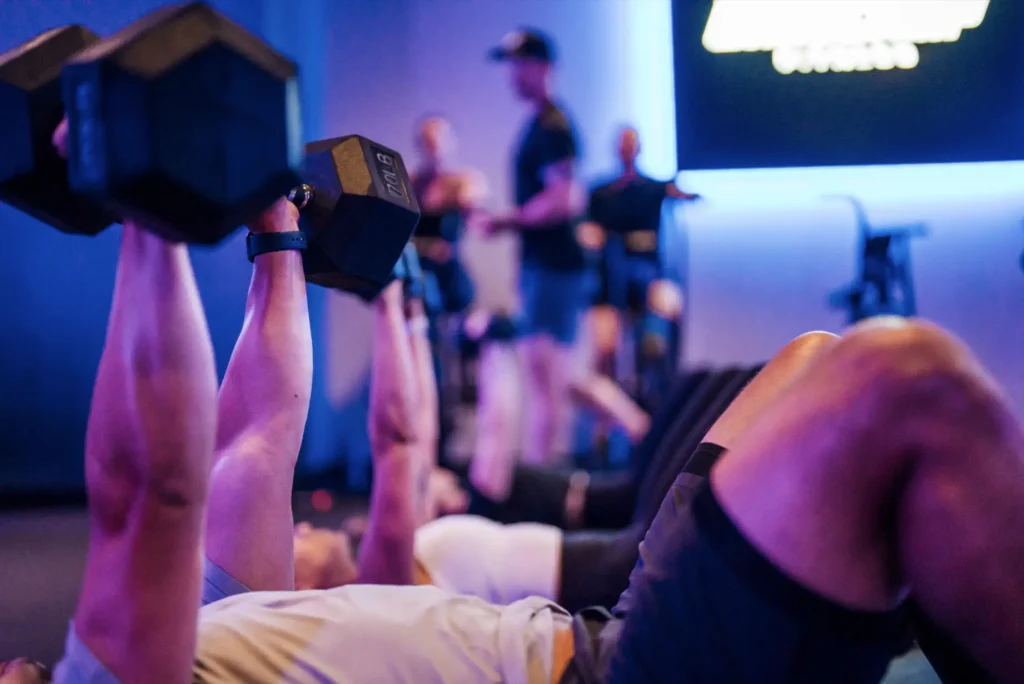
In this comprehensive guide, we aim to provide practical strategies to seamlessly blend functional training with conventional strength exercises. From specific exercise examples to tips on program structure, readers will explore how this integrated approach not only promotes fitness but also enhances life longevity and performance. Are you ready to discover new dimensions of training that could elevate your strength routine and ignite your passion for fitness?
DISCOVER MORE: Click here to learn about intuitive eating
Understanding the Core Principles of Functional Training
To embark on the journey of incorporating functional training into your strength routine, it’s essential to grasp the core principles that define this approach. Functional training is not just a trendy buzzword; it stems from the understanding that our bodies are designed to move in specific ways. By prioritizing this natural movement, functional training aims to enhance overall fitness in a manner that is both practical and effective.
At its essence, functional training focuses on improving the way your body moves through exercises that engage multiple muscle groups and joints. This combination facilitates a more comprehensive workout that translates to improved performance in daily tasks. Engaging your core, enhancing your coordination, and improving strength and flexibility can all be achieved through functional movements that mirror real-life activities.
Here are the key aspects to consider when integrating functional training into your strength routine:
- Multi-Plane Movements: Unlike traditional strength training that often focuses on single-plane movements, functional training emphasizes exercises that require you to move in various planes of motion—forward, backward, sideways, and rotationally. This variety ensures that you train your body in ways that it naturally moves, which can reduce the risk of injury.
- Balance and Stability: Many functional exercises challenge your balance and stability, crucial components of effective movement. For instance, performing a single-leg deadlift not only targets the hamstrings but also engages your core and improves your ability to stabilize yourself during daily tasks.
- Integration of Core Strength: A strong core is foundational in functional training. Core stability is paramount for almost every activity you perform, from lifting weights to standing on public transport. Exercises that utilize your core, like planks or medicine ball throws, enhance overall strength while mimicking real-life motions.
Incorporating these principles into your routine doesn’t necessitate a complete overhaul. Instead, consider integrating functional exercises alongside your existing strength training regimens. For example, if you are accustomed to performing isolated bicep curls, think about substituting them with a dumbbell row or pull-up. Both provide the added benefit of engaging multiple muscle groups while working your biceps.
The objective of blending functional training into your strength routine is to establish movements that not only build muscle but also prepare your body for real-world challenges. This enhancement to your fitness journey can make a tangible difference, whether you are lifting heavy boxes at work or simply playing an active game of tag with your kids. As you further explore this integrated approach, you will likely discover not just improvements in strength, but also a newfound enjoyment in your workouts as you engage in movements that feel relatable and effective.
Exploring the Advantages of Functional Training
Incorporating functional training into your strength routine offers a diverse array of benefits that can dramatically enhance your overall fitness. Functional training focuses on exercises that replicate everyday movements, allowing your body to function more efficiently in daily life. This approach strengthens not only your muscles but also your joints, balance, and coordination. Below, a well-structured table outlines the key advantages of adding functional training to your strength regimen.
| Advantage | Description |
|---|---|
| Improved Functional Movements | Enhances daily activities like lifting, squatting, and climbing stairs. |
| Injury Prevention | Strengthening stabilizing muscles helps reduce the risk of injury. |
| Increased Core Stability | Core strength is essential for balance and overall body control. |
| Enhanced Athletic Performance | Improves power and agility essential for various sports. |
Incorporating functional training into your routine not only builds strength but creates a more resilient and efficient body. By addressing how your body moves in daily life, you set the foundation for long-term health and performance improvements. Dive deeper into the transformative potential of functional training and discover innovative exercises that can invigorate your strength journey.
DISCOVER MORE: Click here for essential tips
Expanding Your Exercise Toolbox: Effective Functional Training Exercises
Integrating functional training into your strength routine opens the door to a variety of exercises that can elevate your workouts and enhance your overall fitness. While many fitness enthusiasts are familiar with traditional weightlifting techniques, functional training introduces movements that enhance coordination, agility, and strength in ways that are applicable to everyday tasks.
One of the most effective ways to embrace functional training is by incorporating compound exercises that activate multiple muscle groups. For instance, the kettlebell swing is a dynamic movement that not only builds strength in your posterior chain, particularly the glutes and hamstrings, but also improves cardiovascular conditioning. Engaging in this movement mimics the explosive actions often required in activities like sprinting or jumping, making it beneficial for overall athletic performance.
Another popular functional exercise is the Goblet squat. This variation of the traditional squat requires you to hold a weight close to your chest while performing the squat. The movement challenges your squat mechanics by enhancing core stability and improving movement patterns critical for everyday activities such as sitting or lifting. Furthermore, Goblet squats are particularly effective for developing lower body strength without placing excessive strain on the back, making them suitable for various fitness levels.
Don’t overlook the benefit of incorporating bodyweight exercises into your routine as well. Movements like push-ups, lunges, and burpees can be modified to increase their effectiveness while targeting numerous muscle groups. For instance, push-ups can be altered into a single-leg push-up to engage your core more intensely, or lunges can be transformed into lateral lunges to work on side-to-side movements, enhancing stability and joint mobility.
In addition to physical benefits, functional training can also provide enhanced mental engagement during workouts. Utilizing tools like resistance bands and medicine balls can bring versatility and fun to your sessions. For example, a medicine ball slam is an effective full-body exercise that not only builds power but also serves as a great stress reliever. This dynamic motion allows you to channel your energy while improving your explosiveness and coordination.
Taking your workouts outdoors can also enhance the functional training experience, and it’s an excellent opportunity to utilize natural resistance. Activities like hiking, rock climbing, or even playing sports like soccer can provide an engaging way to practice movements similar to those found in functional training. Engaging in these activities helps reinforce the benefits of moving your body as it was designed to function—efficiently and dynamically. Remember that the *environment* you train in can significantly influence your ability to engage multiple muscle groups effectively.
As you integrate these exercises into your routine, focus on the quality of movement instead of just the quantity. Developing proper form and understanding your body mechanics will yield better results and support injury prevention. With the right mindset and approach, functional training can be a game-changer, enhancing the effectiveness of your strength routine while preparing your body for the challenges of everyday life.
DIVE DEEPER: Click here to enhance your athletic potential
Conclusion: Embrace the Power of Functional Training
Incorporating functional training into your strength routine is not merely an option; it is an essential evolution in how we view fitness and strength development. By prioritizing movements that reflect real-life activities, you not only enhance your physical capabilities but also cultivate a more intuitive understanding of your body’s mechanics. The exercises discussed—from kettlebell swings to Goblet squats and bodyweight movements—underscore the harmony between strength training and everyday functionality.
As you embark on this fitness journey, remember that the goal is to improve not just your aesthetics but your overall quality of life. Engaging in activities that promote coordination, strength, and agility will help you navigate daily challenges with ease and confidence. Moreover, by focusing on the quality of movement, you can foster a deeper connection with your body that translates into better performance both inside and outside the gym.
In this modern fitness landscape, where variety is key, don’t shy away from exploring outdoor activities and tools that bring excitement into your routine. The adaptability of functional training encourages you to discover new dimensions of your training, allowing you to customize it to fit your lifestyle and personal goals. Ultimately, embracing functional training not only prepares you for the demands of daily life but also transforms your approach to fitness, making it a more engaging and rewarding experience.
So, as you close this chapter and step back into your workout space, consider the immense potential that awaits you as you blend traditional strength training with the dynamic world of functional exercises. Armed with this knowledge, you are set to embark on a journey that not only reshapes your physical capabilities but also enriches your overall health and well-being.

Beatriz Johnson is a seasoned fitness specialist and writer with a passion for simplifying the complexities of strength training and gym workouts. With over a decade of experience in the fitness industry, she specializes in topics like weight training techniques, workout programming, and exercise science principles. Through her work, Beatriz empowers readers to make informed fitness decisions, build sustainable training habits, and stay ahead in their journey toward stronger, healthier bodies.