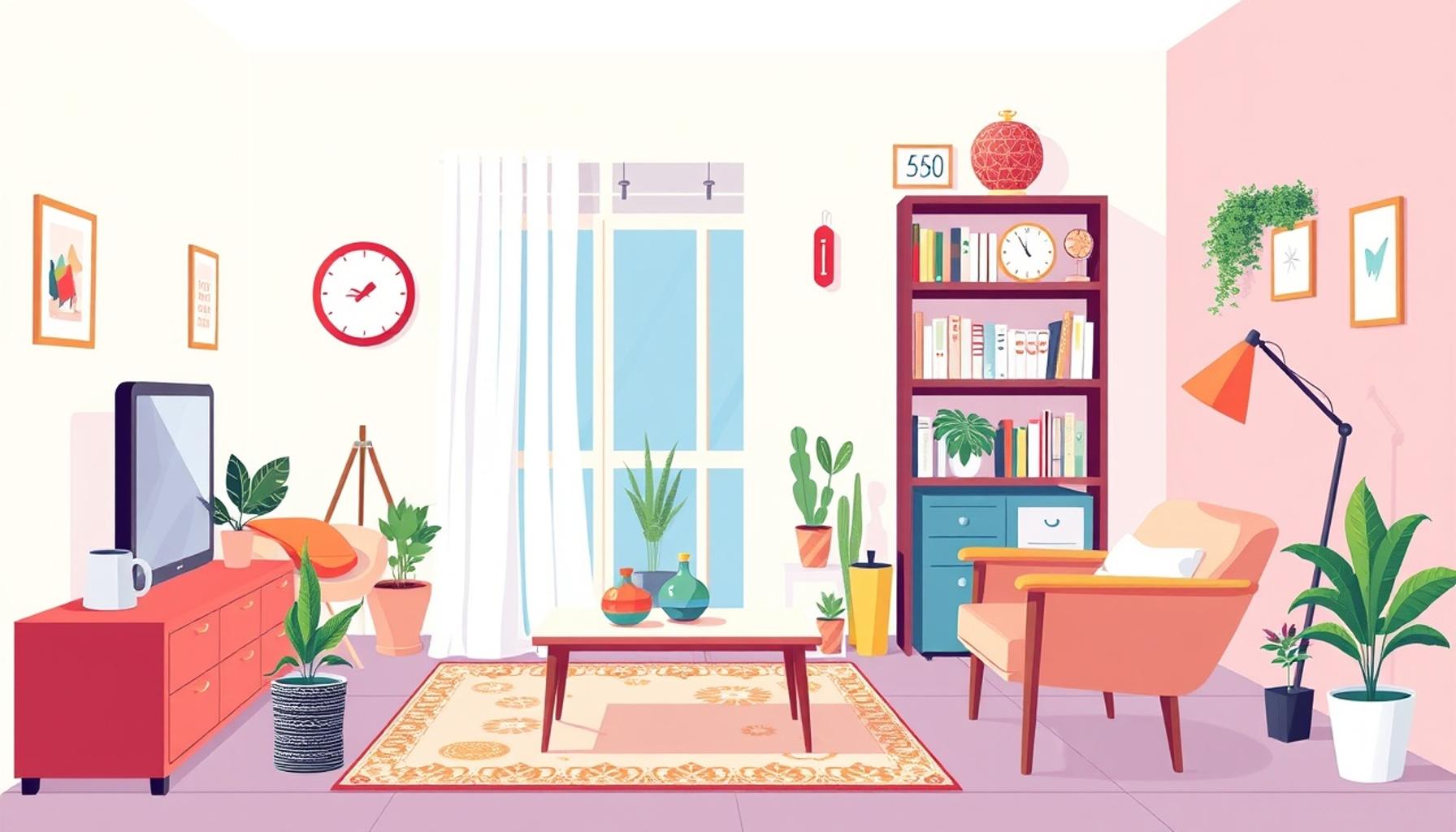
Minimalist Lifestyles: How Reducing Belongings Increases Space Efficiency

Embracing Minimalism
In today’s fast-paced world, many individuals are discovering the transformative power of a minimalist lifestyle. This approach emphasizes simplicity, intentionally reducing belongings to create more space and enhance efficiency in daily living. By downsizing possessions, people report not only clearer physical spaces but also mental clarity. Minimalism encourages individuals to evaluate what truly matters in their lives, fostering a sense of freedom and purpose.
Benefits of Reducing Belongings
Adopting a minimalist mindset can lead to several advantages, such as:
- Enhanced Space Efficiency: Less clutter means more room for activities and hobbies that truly bring joy. For example, a family may convert a crowded living room filled with unused furniture into a serene space for family bonding and play.
- Improved Organization: Fewer items lead to easier management and upkeep. With a well-organized environment, finding essentials becomes a breeze. Consider a kitchen with only frequently used utensils; preparing meals becomes efficient and enjoyable.
- Increased Focus: A tidy environment can boost productivity and creativity. Studies show that a clean workspace enhances concentration, allowing individuals to tackle projects more efficiently and with greater enthusiasm.
Moreover, the financial implications of minimalism can be significant. Individuals might find themselves:
- Saving Money: By reducing the purchase of unnecessary items, people can allocate funds toward experiences or essentials rather than clutter. For instance, someone might set aside money saved from minimal purchases to travel or invest in education.
- Reducing Waste: Greater awareness of consumption patterns leads to more sustainable choices. With a focus on quality over quantity, individuals can make informed decisions that benefit both their wallets and the environment.
As Americans embrace this lifestyle, the question arises: how does reducing possessions truly foster efficiency? The minimalism movement often examines the psychological benefits of simplifying one’s life. As individuals release attachments to material possessions, they create emotional space that offers clarity and reduces stress. Moreover, the sense of accomplishment from decluttering can encourage a more mindful approach to living.
In essence, minimalism offers a pathway to a more fulfilling life, urging us to consider what we genuinely value. As one delves into minimalist practices, the exploration into the psychology behind ownership and the importance of space becomes enlightening. This journey not only transforms homes but can redefine how we perceive success and happiness. Embracing minimalism may be the first step towards a more intentional, rich, and meaningful life.
DISCOVER MORE: Click here to learn how multifunctional furniture can enhance your space
Creating Physical and Mental Space
The journey into a minimalist lifestyle often begins with a single question: What do I truly need? This introspection is critical as individuals embark on the path of reducing belongings, which not only transforms living spaces but also reshapes mindsets. By examining possessions through the lens of necessity and utility, one can uncover countless benefits that extend beyond mere aesthetics. This article explores how decluttering can enhance space efficiency and, in turn, catalyze profound lifestyle changes.
Clarity Through Reduction
In a nation where consumerism often reigns supreme, Americans face the challenge of discerning between need and want. By embracing minimalism, individuals can strip away the excess and create an environment that supports their daily lives. For instance:
- Designated Zones: By designating specific areas for various activities—such as reading, relaxation, or work—people can maximize the utility of their space. A small apartment can effectively serve multifunctional purposes, from a workspace to a cozy lounge, without feeling overcrowded.
- Mindful Consumption: The act of decluttering fosters a mindset of mindful consumption. When someone evaluates their current belongings, it may lead to more intentional purchases, ensuring that any new item aligns with long-term values rather than fleeting trends.
- Simplified Maintenance: A decluttered space typically requires less ongoing upkeep. Fewer items mean easier cleaning and maintenance, allowing for a greater focus on activities that nurture wellbeing.
Beyond physical space, minimalism also cultivates a mental landscape conducive to growth and inspiration. Research has shown that individuals living in cluttered environments often experience increased stress levels, distracting them from both personal and professional achievements. By embracing minimalism:
- Stress Reduction: A clearer space often correlates with a clearer mind. Individuals report feeling less overwhelmed when their surroundings reflect simplicity, affording them greater peace and relaxation.
- Boosted Creativity: Many artists, writers, and entrepreneurs find that a minimalist environment fosters their creative energies. In the absence of distraction, they can focus on brainstorming and innovation.
- Greater Happiness: Studies indicate that happiness can stem from experiences instead of possessions. A minimalist lifestyle encourages spending time with friends and family, volunteering, and exploring new hobbies—pursuits that cultivate joy without accruing more belongings.
As more Americans gravitate towards minimalism, the emphasis on creating physical and mental space transforms not only homes but also personal relationships and career trajectories. Consciously choosing what to keep and what to let go lays the foundation for a lifestyle that prioritizes efficiency, clarity, and fulfillment.
In essence, reducing belongings is only the beginning. The ripple effects of minimalism reach far beyond the tangible, prompting a holistic transformation that encompasses well-being, productivity, and purpose. By understanding how a minimalist approach can elevate everyday living, individuals open the door to a more intentional, enriching life.
| Category | Details |
|---|---|
| Space Optimization | Minimizing belongings allows for greater mental clarity and physical space, creating multifunctional areas that serve various needs. |
| Emotional Well-being | De-cluttering is linked to reduced stress levels, allowing individuals to enjoy a more peaceful and less chaotic environment. |
| Financial Savings | Less spending on unnecessary items means more savings, enabling investments in experiences rather than possessions. |
| Environmental Impact | Reducing consumption leads to lower carbon footprints, promoting sustainable living and a healthier planet. |
Embracing a minimalist lifestyle is not solely about having fewer belongings; it also interweaves personal growth, environmental consciousness, and emotional stability into daily living. This transformative approach encourages individuals to reevaluate their spaces and reconsider what truly matters, creating a harmoniously efficient environment. Expect to find an infusion of creativity as you discover innovative ways to maximize utility and tranquility, leading to an enriched life experience overall. Engaging in this journey reveals profound insights on productivity and mindfulness, offering a unique path to both personal and ecological wellness. The ripple effects of adopting such a lifestyle go beyond mere aesthetics, pushing forward the invitation to rethink our relationship with material possessions in today’s fast-paced world.
DISCOVER MORE: Click here to learn about multifunctional furniture
Maximizing Functionality in Small Spaces
As urban living spaces become smaller and more expensive, maximizing functionality through minimalism stands out as a solution for many Americans. The constraints of limited square footage in cities such as New York, San Francisco, and Chicago often spark ingenious strategies for utilizing space effectively. Individuals are not just eliminating clutter; they are reimagining how their environments can serve them better.
Innovative Storage Solutions
Adopting a minimalist lifestyle compels individuals to rethink their storage practices. With fewer items, minimalist proponents can employ creative storage solutions. For instance:
- Multi-functional Furniture: Items such as ottomans that double as storage units, fold-out desks, and Murphy beds are becoming increasingly popular. These innovations allow homeowners to optimize their available space, providing both style and functionality while maintaining a clean and clutter-free appearance.
- Vertical Space Usage: Climbing up instead of spreading out is a hallmark of successful minimalism. Utilizing wall-mounted shelves, hanging plants, and pegboards liberates floor space, making even the tiniest apartment feel expansive. This approach not only showcases creativity but also contributes to a more open and airy environment.
- Clear Containers and Labels: For those who prefer organization, employing transparent storage containers can provide visual clarity. Knowing where everything is stored eliminates the frustration of searching through overcrowded drawers, reinforcing a systematic and serene living space.
Streamlining Daily Activities
The impact of adopting a minimalist lifestyle extends into daily routines. By minimizing distractions and optimizing their environments, individuals can streamline various activities. This includes:
- Efficient Morning Routines: With fewer clothes and products to choose from, the decision-making process becomes more straightforward. A more selective wardrobe fosters an effortless morning routine, allowing for more time spent on self-care or preparing for the day ahead.
- Focused Meal Preparation: A minimalist kitchen can encourage simpler meal preparation. By reducing gadgets and specialty items, individuals can focus on quality ingredients and culinary essentials, leading to healthier eating habits and minimized food waste.
- Improved Work-Life Balance: In work-from-home situations, minimalism can effectively demarcate work and personal spaces. A designated workspace within a home, free of distractions, enhances productivity while reinforcing boundaries between professional obligations and personal life.
Furthermore, minimalism can lead to financial efficiency. Many Americans are discovering that with fewer obligations to maintain possessions—such as cleaning, organizing, and repairing—their expenses decrease. For example, a minimalist approach to clothing often leads to thriftier spending habits. By investing in fewer, but higher-quality items, individuals experience a significant reduction in their overall clothing costs.
Statistics suggest that minimalists spend about 30% less annually on their possessions compared to their clutter-heavy counterparts, revealing a demonstrable link between frugality and intentional living. This financial freedom allows room for investments in experiences, education, or travel—elements known to enhance fulfillment and happiness.
The rise of minimalist living encourages a reevaluation of what constitutes value in our lives. As households navigate the complexities of modern living, reducing belongings emerges not only as a pathway to increasing space efficiency but as a strategy for crafting a more meaningful existence.
DISCOVER MORE: Click here to learn how multifunctional furniture can enhance your space
Conclusion
In exploring the transformative effects of minimalism, it becomes evident that adopting a minimalist lifestyle not only enhances space efficiency but also enriches the overall quality of life. As urban environments shrink and living costs soar, individuals are increasingly turning to minimalist principles that allow them to create functional and harmonious spaces. This paradigm shift not only optimizes physical space but also cultivates a sense of mental clarity and tranquility.
The innovative storage solutions highlighted, such as multi-functional furniture and vertical space utilization, enable residents to design living areas that are both stylish and practical. Streamlining daily routines further promotes productivity, providing individuals the opportunity to focus on what truly matters—be it personal well-being, meaningful relationships, or enriching experiences. The psychological benefits of decluttering extend beyond aesthetics, fostering a lifestyle that prioritizes intention over mere consumption.
Moreover, the financial implications of minimalism cannot be overlooked. By spending less on superfluous possessions and embracing quality over quantity, individuals often find themselves in a better financial position, allowing for investments in memorable experiences that contribute to lasting happiness. As more Americans reevaluate their relationship with material possessions, it is clear that minimalism serves as a powerful antidote to the overwhelm of modern living.
Ultimately, the journey towards a minimalist lifestyle is a deeply personal one, challenging assumptions about value and fulfillment. As we continue to navigate a world cluttered with distractions, choosing to reduce our belongings offers a unique opportunity to reclaim space, clarity, and purpose—inviting everyone to join this intentional movement.