
Your Guide to Optimizing Nutrition for Muscle Strength
Fueling your body with the right nutrients is essential for anyone looking to enhance their muscle growth and overall strength. A well-balanced diet not only supports your workout routine but also significantly contributes to recovery and performance. In this article, we will explore key aspects of nutrition that can effectively aid in strength building.
Why Nutrition Matters in Muscle Growth
The foods you consume play a pivotal role in your physical transformation. Here’s a deeper look at why proper nutrition is crucial for anyone trying to increase their strength:
- Muscle Repair: After high-intensity workouts, your muscles experience micro-tears that need to be repaired. Consuming adequate amounts of protein helps rebuild muscle tissue, promoting increased strength and size. For instance, incorporating sources like grilled chicken or Greek yogurt can speed up recovery times.
- Energy Supply: Every lifting session demands energy. Consuming enough calories is essential to perform at your best. Complex carbohydrates, such as brown rice and oatmeal, act as fuel for your workouts, ensuring that you have the stamina to push through heavy lifting sessions.
- Hormonal Balance: Certain foods are known to influence hormone production, which is critical for muscle growth. Healthy fats—like those found in salmon and almonds—support the synthesis of testosterone and growth hormone, both of which are vital for building muscle mass.
Essential Foods for Strength Building
When it comes to supporting muscle growth, certain food groups stand out. Consider incorporating the following nutrient-dense options into your daily diet:
- Lean Proteins: Protein should be the cornerstone of your diet for muscle gains. Good sources include chicken breast, turkey, fish, eggs, and plant-based options such as lentils and chickpeas. These foods provide the necessary amino acids to repair and build muscle tissues after strenuous workouts.
- Complex Carbohydrates: To ensure sustained energy levels, focus on eating complex carbohydrates like quinoa, whole grain pasta, and sweet potatoes. These foods not only provide energy but also come with essential vitamins and minerals that promote overall health.
- Healthy Fats: Fats often get a bad rap, but they play a critical role in strength training nutrition. Foods such as avocados, nuts, and olive oil contribute to heart health and enhance the absorption of fat-soluble vitamins, improving overall nutrient profiles.
By understanding and implementing effective nutrition strategies, you can amplify your strength-building efforts and achieve your fitness goals. Explore further the concept of meal timing or the significance of hydration—both of which can further enhance muscle recovery and performance. With informed dietary choices, you’ll be well on your way to success in your strength-training endeavors.
DON’T MISS OUT: Click here to discover the importance of rest and recovery
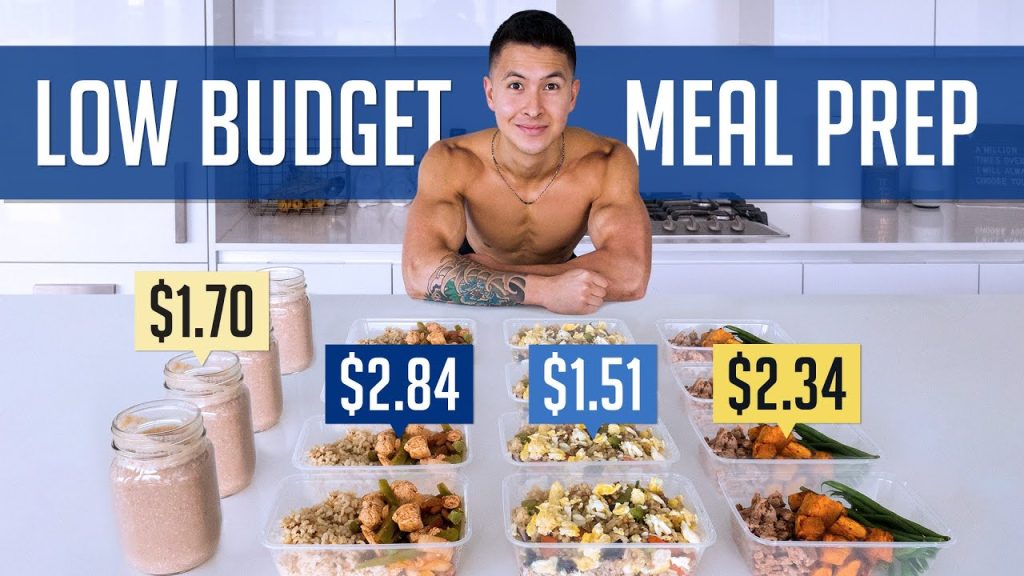
The Science Behind Muscle Growth and Nutrition
Understanding the relationship between nutrition and muscle growth is crucial for anyone dedicated to becoming stronger. Nutrition is not merely about what you eat; it’s a powerful tool that can enhance your performance, accelerate recovery, and maximize the results of your training. By selecting the right foods, you can create an environment within your body that is conducive to muscle adaptation and growth.
Incorporating Nutrients for Optimal Performance
To effectively support muscle growth, it’s essential to adopt a diet rich in specific nutrients. Here’s a breakdown of key components that should be included in your daily meals:
- Protein: As the building block of muscle tissue, protein intake is non-negotiable. Aim for about 1.6 to 2.2 grams of protein per kilogram of body weight daily. Include a variety of sources such as whey protein shakes post-workout, beef, fish, and high-protein dairy products. For plant-based options, consider quinoa, tofu, and edamame, which are complete protein sources.
- Carbohydrates: Carbs are the body’s primary energy source, particularly during high-intensity workouts. Incorporate both simple and complex carbohydrates to meet your energy demands. Simple carbs such as fruits provide quick energy, while complex carbs like brown rice, whole grains, and starchy vegetables offer sustained fuel for prolonged exertion.
- Fats: Despite common misconceptions, healthy fats are essential in promoting hormone production and overall health. Foods high in omega-3 fatty acids, such as fatty fish, flaxseeds, and walnuts, not only boost heart health but also have anti-inflammatory properties that can reduce muscle soreness after intense workouts.
- Vitamins and Minerals: Micronutrients play an invaluable role in muscle recovery and strength building. Nutrients such as vitamin D, calcium, magnesium, and zinc should be part of your daily diet. Dark leafy greens, dairy products, nuts, and seeds are excellent sources of these vital elements, enhancing muscle function and overall health.
Meal Planning for Muscle Gain
Proper meal planning is just as crucial as the foods you choose. Prepare meals around your workout schedule; for instance, consume a protein-rich snack or meal within two hours post-exercise to take advantage of the anabolic window—a period where your muscles are most receptive to nutrients. Consider meals that include a balance of protein, carbs, and healthy fats to promote recovery and growth.
By mastering your nutrition with the right foods, you can effectively fuel your strength-building goals. Consider exploring diverse recipes and meal combinations that incorporate these essential nutrients into a cohesive diet. As you continue to learn and adapt your nutritional strategies, you’ll find yourself not only gaining strength but also experiencing improved overall health and wellbeing.
| Category | Key Features |
|---|---|
| High-Protein Foods | Essential for muscle repair and growth; includes chicken, fish, and legumes. |
| Healthy Fats | Provides energy, supports hormone production, and enhances nutrient absorption, with sources like avocados and nuts. |
| Complex Carbohydrates | Important for sustaining energy levels during workouts; includes whole grains and vegetables. |
| Hydration | Critical for performance and recovery; always keep water intake optimal. |
Nutrition plays a pivotal role in achieving optimal strength and muscle growth. To effectively build muscle, one must focus on a diet rich in high-protein foods. Lean meats, such as chicken and turkey, along with fish like salmon and plant-based sources, such as legumes, are vital for muscle repair and growth. Each protein-rich meal not only enhances muscle synthesis but also maintains a balanced diet.Another crucial aspect is healthy fats, which are integral for sustaining energy levels and supporting hormone production that aids muscle recovery. Foods like avocados, olive oil, and seeds provide these necessary fats that work to enhance nutrient absorption, boosting overall health.In conjunction with proteins and fats, complex carbohydrates serve as the primary fuel source for any rigorous training regimen. Whole grains, such as quinoa and brown rice, alongside a variety of vegetables, ensure that energy levels are maximized for workouts.Last but not least, hydration should never be overlooked. Water is essential for optimal performance, preventing fatigue, and aiding recovery. Keeping water intake on point is crucial for anyone serious about their strength-building journey.
DISCOVER MORE: Click here to learn about hydration and performance
Strategizing Nutritional Timing for Muscle Optimization
Beyond the basic components of a muscle-building diet, the timing of your nutrient intake can enhance your strength training efforts. This strategy, known as nutritional timing, focuses on the specific moments you consume food, especially in relation to your workouts. Timing your meals correctly can optimize energy levels, recovery time, and even muscle growth.
Consider adopting a pre-workout nutrition plan to maximize performance. Ideally, consume a meal rich in complex carbohydrates and protein about 2 to 3 hours before your workout. This could be a bowl of oatmeal topped with banana and a scoop of almond butter or a chicken breast with brown rice and steamed broccoli. Not only does this provide you with the energy needed for peak performance, but it also ensures amino acids are in your bloodstream to support muscle recovery as you train.
Following up with post-workout nutrition is equally vital. Research suggests that the anabolic window typically lasts about 30 to 60 minutes after exercising, making this the optimal time for nutrient intake. A blend of quick-digesting protein and carbohydrates, such as a protein shake with a banana or yogurt with berries, is recommended. Aim to consume a meal containing a ratio of 3:1 carbohydrates to protein immediately after your workout to replenish glycogen stores and spur muscle repair effectively.
Hydration: The Silent Muscle Builder
While often overlooked, hydration plays a significant role in muscle growth. Water is essential for various bodily functions, including nutrient transport, digestion, and muscle function. Dehydration can impair your performance, affecting strength, endurance, and overall recovery.
Daily water intake can vary based on factors such as body weight and activity level, but a good rule of thumb is to aim for at least 3 to 4 liters per day, especially on workout days. Additionally, consider electrolyte-rich drinks if you engage in prolonged or intense activities, as they help replace lost minerals and prevent fatigue.
Diverse Sources of Nutrition: Filling Your Plate
To ensure a well-rounded intake of nutrients, diversify your food sources. Incorporating a range of foods not only increases the variety of essential nutrients but also helps combat dietary monotony. Try integrating lean meats like chicken and turkey, as well as plant-based proteins like lentils and chickpeas. Eggs are also a powerhouse of nutrients, providing not just protein but also important vitamins such as B12 and D.
Don’t underestimate the role of fruits and vegetables in your strength-building diet. Colorful options like berries, oranges, and spinach are packed with vitamins, antioxidants, and fiber that support overall health and recovery. Consider aiming for at least five servings of fresh produce daily to enhance your nutrient profile.
Exploring a variety of cuisines can also be beneficial. For instance, incorporating Mediterranean dishes that boast healthy fats, whole grains, and lean prote sources creates an enjoyable yet effective nutrition plan. Meals such as quinoa salad with olive oil, feta cheese, and grilled shrimp can make healthful eating both delicious and nutritious.
Ultimately, a tailored approach to nutrition for strength building not only empowers your training regime but aids in achieving overall wellness. As you deepen your understanding of nutrition’s role in muscle growth, you’ll discover it is not just about lifting weights, but also about strategically fueling your body for success.
DISCOVER MORE: Click here to learn how to tailor your fitness journey
Conclusion: Fueling Your Journey to Strength
In the quest for muscle growth and strength building, nutrition serves as a foundational pillar that cannot be overlooked. Throughout this article, we’ve explored the essential foods and strategic practices that can genuinely uplift your training efforts. From the importance of macronutrients like proteins and carbohydrates to the critical role of hydration, every element plays a vital part in promoting optimal performance and recovery.
Understanding nutritional timing adds another layer of sophistication to your diet, allowing you to harness energy and repair muscles effectively. By planning pre- and post-workout meals, such as protein shakes or hearty oatmeal bowls, you can effectively enhance the anabolic process, maximizing the time spent training.
Moreover, diversifying your nutrient sources not only enriches your diet but also enhances overall health. Integrating nutrient-dense foods like lean meats, whole grains, and vibrant fruits and vegetables can help not only in building muscle but also in maintaining long-term wellness. The beauty of healthy nutrition lies in its delicious possibilities; experiments with Mediterranean, Asian, or various other cuisines can turn healthful eating into a delightful experience.
As you embark on your strength-building journey, remember that nutrition is more than mere sustenance—it’s about strategically fueling your ambition and thriving in every lift. By embracing the principles outlined here, you are not only investing in muscle growth but also cultivating a lifestyle of health and vitality. Equip yourself with knowledge, explore new flavors, and watch as your strength transformations unfold.

Beatriz Johnson is a seasoned fitness specialist and writer with a passion for simplifying the complexities of strength training and gym workouts. With over a decade of experience in the fitness industry, she specializes in topics like weight training techniques, workout programming, and exercise science principles. Through her work, Beatriz empowers readers to make informed fitness decisions, build sustainable training habits, and stay ahead in their journey toward stronger, healthier bodies.