
The Power of Mindset in Strength Training
When it comes to strength training, the significance of mindset cannot be overstated. While the physical aspects—such as lifting technique, diet, and consistency—are crucial, it is your mental approach that often makes the difference between achieving your goals and falling short. Recent research illustrates that the brain’s involvement in physical performance is more profound than we initially believed, suggesting the necessity of cultivating a robust mental framework. Let’s explore some critical components of how mindset can influence your training journey:
- Motivation: A positive outlook can ignite your desire to push through challenges. For instance, think of elite athletes like Michael Jordan, who often used visualization techniques and positive affirmations to overcome pressure and enhance performance. This psychological boost can make it easier to tackle tough workout sessions or push through plateaus.
- Resilience: Athletes with a growth mindset see challenges as opportunities to learn rather than obstacles. This mental shift can transform setbacks, such as an injury or a poor performance, into valuable lessons that drive improvement. Coaches often emphasize the importance of perseverance, teaching that how you respond to failures can define your overall success in training.
- Focus: Mental clarity is essential for executing proper techniques and preventing injuries. The ability to concentrate on each lift—focusing on form rather than distractions like surroundings—can lead to safer and more effective workouts. Techniques such as mindfulness and meditation can enhance this focus, allowing for greater performance in the gym.
- Self-belief: Confidence in your abilities can result in significantly better performance outcomes. Research shows that athletes who strongly believe in their skills are likely to achieve personal records and competitive victories. This self-assurance can be fostered through small achievements and realistic goal setting.
Understanding the intricate relationship between mindset and physical capability is vital for anyone looking to elevate their strength training regimen. Studies have indicated that athletes who maintain a positive mental framework can achieve greater outcomes, both in training sessions and competitions. For example, many coaches encourage visualization techniques, which research suggests enhances performance during lifts and competitive events. By vividly imagining success and visualizing the lifting process, athletes create mental blueprints that help propel them forward in their physical endeavors.
As you explore this captivating topic, take some time to reflect on how your own thoughts and beliefs might be shaping your training experience. Could maintaining a more positive mindset or employing certain mental strategies unlock new levels of performance? Engaging with practices such as journaling, affirmations, or even working with a sports psychologist can provide you with the insights needed to maximize your training efforts. The mind and body work in tandem, and by unlocking the potential of your mindset, you may soon discover agility and strength you never imagined possible.
DISCOVER MORE: Click here to learn how to adapt your diet
Understanding Motivation and Its Impact on Strength Training
A strong motivational foundation is a cornerstone in the world of strength training. A motivated individual is more likely to remain dedicated, push through challenging sessions, and strive for continuous improvement. Research shows that motivation can be categorized into two types: intrinsic and extrinsic. Intrinsic motivation stems from internal drives, such as personal growth or enjoyment, while extrinsic motivation is influenced by external factors, like rewards or recognition.
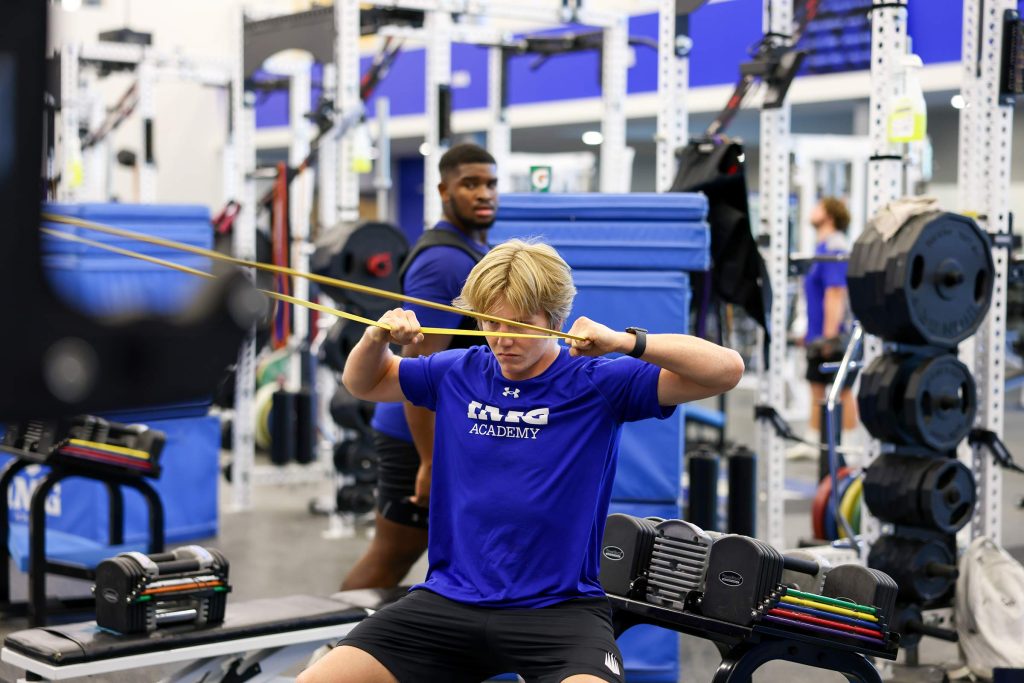
For instance, weightlifters who visualize their goals, such as lifting a certain amount of weight or competing in an event, often experience enhanced motivation. This internal drive can transform mundane workouts into exciting challenges. By regularly setting short-term and long-term goals, athletes can fuel their intrinsic motivation. Strategies such as tracking progress, celebrating small successes, and adjusting training plans can help maintain motivation over time.
The Role of Resilience in Overcoming Challenges
Another critical component of how mindset affects performance in strength training is resilience. Resilient athletes tend to bounce back from disappointments and injuries, viewing them as stepping stones rather than roadblocks. A study published in the *Journal of Sport Psychology* highlighted that individuals with a growth mindset—those who believe their abilities can develop through hard work and dedication—are better equipped to handle setbacks.
When faced with adversity, such as hitting a plateau or dealing with an injury, resilient individuals are more likely to seek solutions instead of succumbing to negativity. They embrace the challenges and push through, knowing that their struggle will ultimately lead to improvement. Here are a few strategies to cultivate resilience:
- Reframe setbacks: Instead of viewing failures as the end, see them as valuable opportunities to learn and grow.
- Set realistic expectations: Understanding that progress takes time helps to manage frustration.
- Create a support network: Surround yourself with like-minded individuals who encourage positive thinking and provide motivation during tough times.
The Importance of Focus and Mental Clarity
Mental clarity can significantly influence the effectiveness of each lifting session. Maintaining focus allows athletes to concentrate on proper form, which in turn reduces the risk of injuries and enhances overall performance. Techniques like mindfulness and meditation are gaining popularity among athletes, as they can sharpen focus and help retain mental clarity during challenging workouts.
Research in exercise science supports the benefits of mental practices. For example, athletes who engage in focused breathing or visualization often show improved physical outcomes, including lifting heavier weights and achieving personal records. These mental strategies enable individuals to stay in the present moment, directing their full attention to each lift rather than worrying about external distractions.
In conclusion, understanding the vital connection between mindset and physical performance is essential not only for competitive athletes but for anyone pursuing strength training. Cultivating a robust motivational framework, building resilience, and enhancing focus can transform the way individuals approach their training, ultimately leading to greater achievements and fulfillment in their fitness journeys.
| Mental Resilience | Performance Impact |
|---|---|
| Enhances recovery and adaptability | Leads to improved progress during workouts |
| Promotes a positive outlook on challenges | Encourages lifting heavier weights and reaching new goals |
| Boosts motivation and consistency | Fosters a routine that sustains long-term gains |
Another critical aspect of understanding “How Mindset Affects Performance in Strength Training” revolves around the concept of mental resilience. Mental resilience plays a pivotal role in enhancing recovery and adaptability, enabling athletes to push through physical fatigue and setbacks. It is well-documented that a strong mindset can lead to a more focused commitment, resulting in improved progress during workouts.Moreover, cultivating a positive outlook on challenges can significantly affect performance. Athletes who embrace obstacles view them as opportunities rather than threats, ultimately encouraging them to lift heavier weights and break through barriers. This is backed by research indicating that self-efficacy—the belief in one’s abilities—also correlates directly with enhanced performance outcomes.Additionally, a robust mentality boosts motivation and consistency in one’s training regimen. Individuals who maintain a strong focus on their goals are more likely to establish routines that not only enhance their performance during each session but also sustain long-term gains. By nurturing a mindset geared toward success, strength training can evolve from being merely an exercise to a journey of personal growth and achievement.
DIVE DEEPER: Click here to discover the evolution of exercise techniques
Cultivating a Growth Mindset for Enhanced Performance
To maximize strength training potential, embracing a growth mindset is vital. This concept, popularized by psychologist Carol Dweck, posits that abilities and intelligence can be developed through dedication and hard work. Athletes with a growth mindset are not defined by their current capabilities; instead, they actively seek opportunities to improve, pushing past their limits.
A pivotal element of a growth mindset is the acceptance of challenges. When confronted with difficult lifts or training regimens, these athletes view such experiences as essential components of their journey rather than insurmountable obstacles. This perspective fosters resilience and can significantly enhance performance, leading to sustained progress over time.
The Power of Positive Self-Talk
The voice in one’s head can either be a coach or an adversary. Engaging in positive self-talk is an effective strategy to reinforce a growth mindset. Athletes who consciously practice speaking positively to themselves experience lower levels of anxiety and improved performance. By replacing self-doubt with affirmations, individuals create an empowering internal narrative that cultivates confidence, especially during high-pressure situations such as competitions or maximal lifts.
Studies reveal that athletes who harness positive self-talk report greater enjoyment in their training, which correlates with enhanced adherence to workout plans. This cycle of positive reinforcement can lead to long-term commitment, locking in the necessary mindset for success in strength training.
Visualization Techniques to Enhance Performance
Visualization, also known as mental imagery, is a powerful technique employed by elite athletes to enhance performance. By picturing themselves successfully completing lifts or achieving personal records, individuals not only prepare mentally but also create neural patterns that mimic physical execution. This cognitive rehearsal can help bridge mental and physical preparations, leading to increased confidence and better results in the gym.
Research from the *Journal of Sports Sciences* indicates that mental imagery can boost not only self-confidence but also skill execution, making it a crucial method for anyone looking to elevate their strength training routine. A simple yet effective approach is to take a few moments before lifting to visualize the movement, feel each muscle engaged, and relish the triumph of success.
Setting Intentions and Mindfulness Practices
Setting clear intentions for each training session adds another layer of focus and purpose. Athletes who define their goals—whether it be form improvement, weight increments, or simply to enjoy the process—are more likely to attain those objectives. Coupled with this is the practice of mindfulness, which encourages individuals to remain present and engaged throughout their workouts.
Mindfulness practices, such as focused breathing, not only help reduce stress but also enhance awareness of body mechanics during lifts. Engaging wholeheartedly in each lift promotes better synchronization of mind and body, leading to improved technique and performance. In fact, studies have shown that incorporating mindfulness into physical training regimens can lead to significant improvements in strength benchmarks.
Ultimately, a comprehensive approach to mindset—emphasizing a growth ethos, positive self-talk, visualization techniques, and a focus on intent—can significantly bolster performance in strength training. These practices not only enhance physical capabilities but also enrich the overall experience, transforming workouts into empowering journeys towards self-improvement.
DISCOVER MORE: Click here to learn how to tailor your diet for your training goals</p
Conclusion: The Intricate Connection Between Mindset and Strength Training Performance
In examining how mindset affects performance in strength training, it becomes evident that the mental component is as crucial as the physical. Athletes who adopt a growth mindset not only view challenges as opportunities for improvement but also cultivate resilience, leading to more consistent progress. By executing positive self-talk and visualizing success, individuals can significantly enhance their confidence and ability to execute lifts effectively. These mental strategies create a supportive internal environment that fosters optimal performance.
Moreover, the incorporation of clear intentions and mindfulness practices serves to ground athletes in their training sessions, ensuring they remain focused and engaged with each rep and set. This holistic approach not only amplifies their strength capabilities but also enriches their overall experience, transforming the journey into a fulfilling pursuit of self-betterment. As research continues to illuminate the profound impact of mindset on athletic performance, it is clear that empowering the mind is just as essential as training the body.
For those seeking to elevate their strength training, embracing these mindset techniques could be the key. Adopting a multifaceted approach that integrates mindset, mental strategies, and intentional practice is likely to yield profound benefits in performance as well as overall enjoyment of the strength training journey. To unlock your full potential, explore these concepts further and observe the transformative effects they can bring to your workouts.

Beatriz Johnson is a seasoned fitness specialist and writer with a passion for simplifying the complexities of strength training and gym workouts. With over a decade of experience in the fitness industry, she specializes in topics like weight training techniques, workout programming, and exercise science principles. Through her work, Beatriz empowers readers to make informed fitness decisions, build sustainable training habits, and stay ahead in their journey toward stronger, healthier bodies.