Minimalist Social Spaces: Optimizing Common Areas in Shared Homes
The Importance of Common Spaces in Modern Living
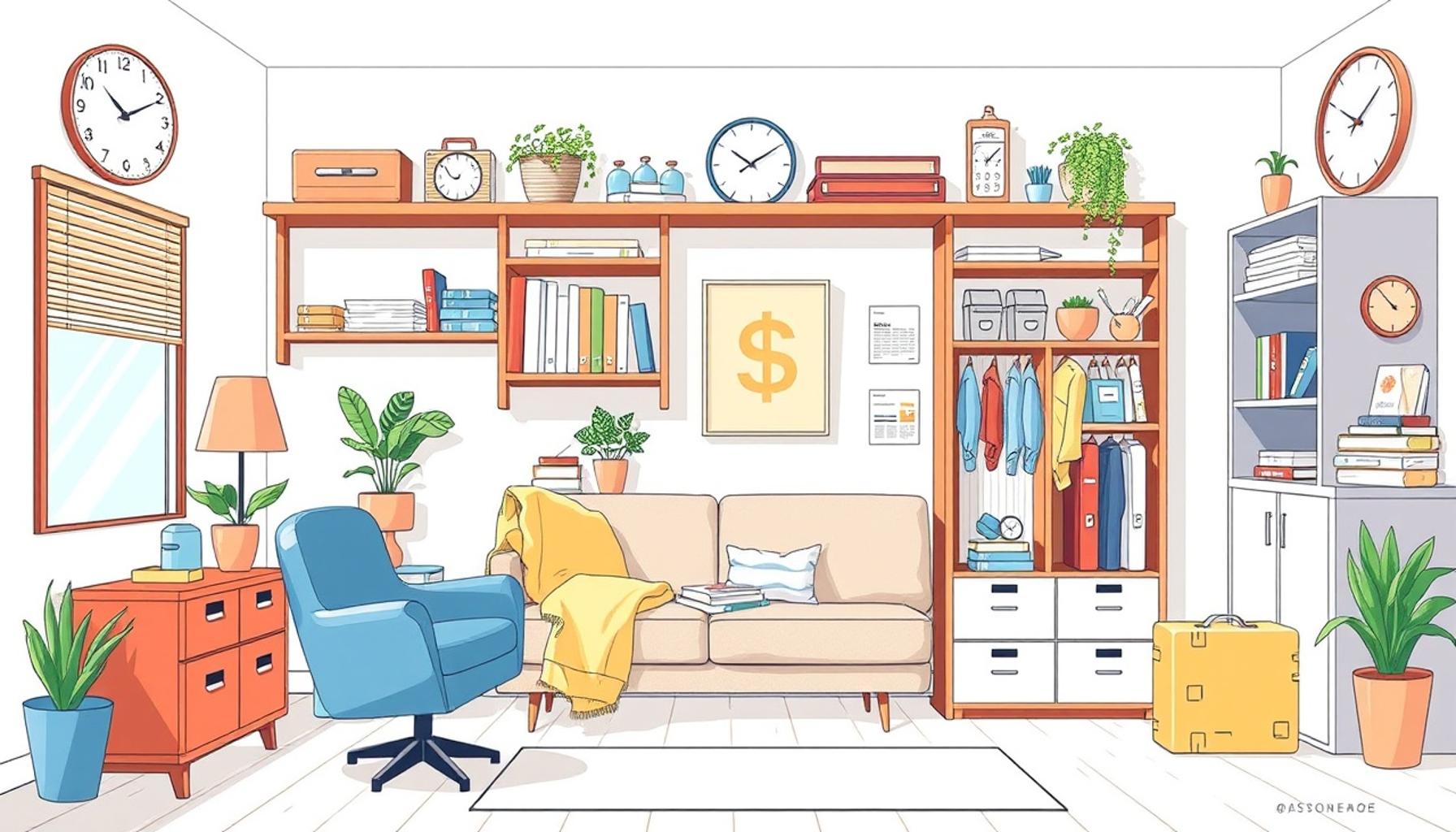
In an era where shared living arrangements are on the rise, the role of common areas has never been more pivotal. Minimalist social spaces serve as the heartbeat of a home, fostering connections while promoting tranquility. As more individuals opt for communal living—whether in co-living setups, university dorms, or multi-generational households—the design and function of these shared spaces can greatly influence day-to-day experiences.
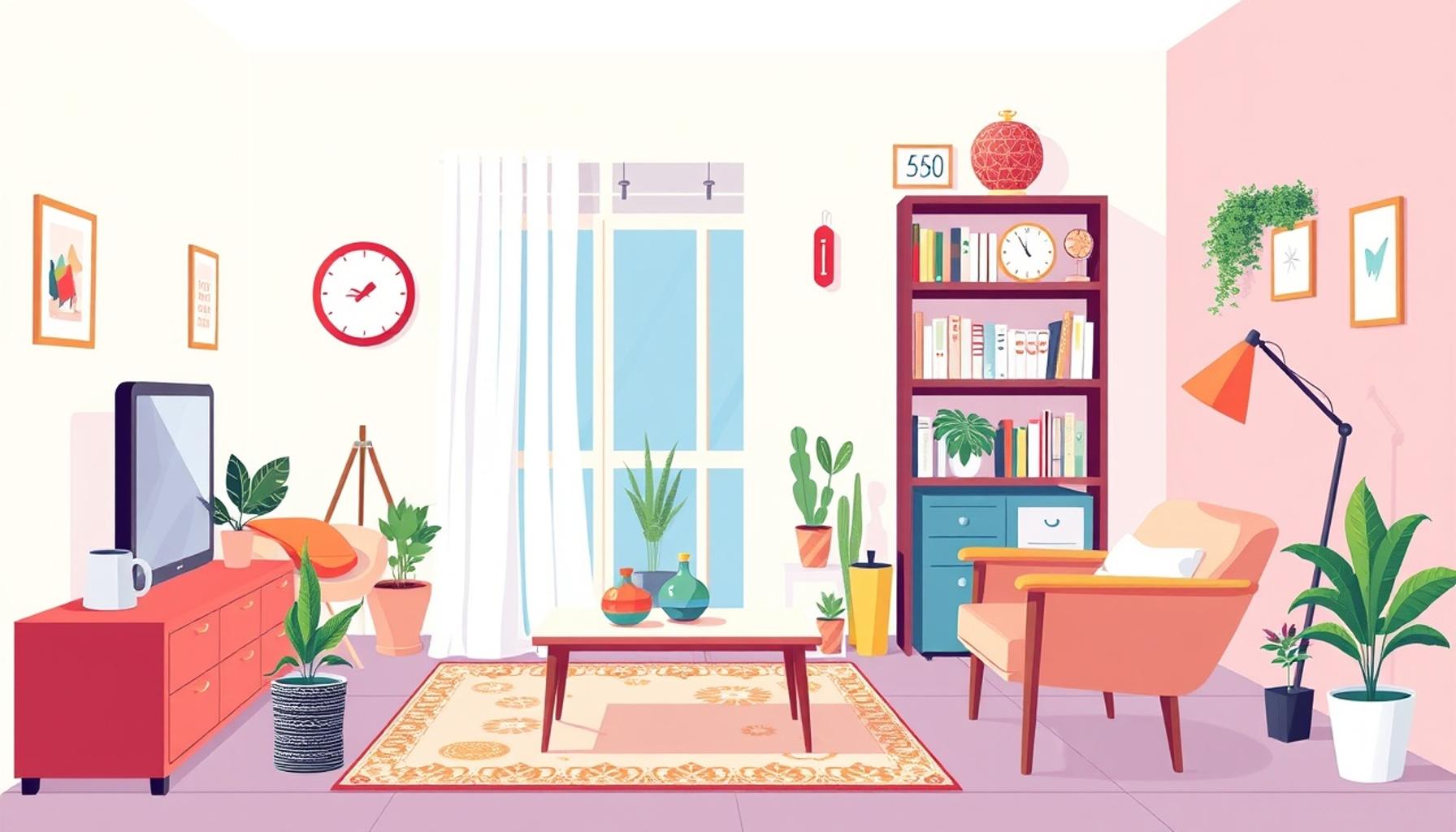
These well-designed areas can transform a chaotic environment into a sanctuary of peace and collaboration. By carefully curating the elements within these spaces, homeowners can cultivate a rich social environment that not only enhances interpersonal relationships but also contributes to mental well-being. Key elements include:
- Functional Furniture: Tailored pieces that serve multiple purposes, like a coffee table that doubles as storage, can drastically reduce clutter. For example, a modular sofa can be rearranged to suit different group sizes, encouraging both intimate gatherings and larger social events.
- Neutral Color Palettes: Soft hues such as pastel blues and muted greens create a calm atmosphere, making spaces feel larger and more inviting. This approach can also apply to artwork and decor, fostering a cohesive and serene aesthetic that takes the stress out of everyday living.
- Smart Layouts: Open configurations, such as an oversized island or communal dining table, encourage movement and interaction. These setups facilitate spontaneous conversations, fostering a sense of community that can oftentimes be missed in more traditional living conditions.
When strategized properly, minimalist spaces can significantly enhance the quality of life. Research indicates that a well-thought-out common area increases social interaction and decreases stress levels among housemates. For instance, a communal kitchen can turn meal preparation into a collective activity that brings people together, fostering camaraderie over shared recipes and experiences.
Exploring the potential of these spaces leads to numerous benefits, including:
- Enhanced Communication: Encouraging open association through shared designs can promote stronger relationships. Regularly scheduled communal dinners or game nights in these thoughtfully designed areas can break the ice and build lasting friendships.
- Increased Productivity: Comfortable common areas inspire collaboration and creativity among residents. Co-working spaces can seamlessly blend with leisure areas, creating an environment conducive to both focus and relaxation, which can be particularly beneficial for remote workers.
- Environmentally Conscious Living: A minimalist approach often prioritizes sustainability, which is becoming increasingly relevant in modern housing. By choosing energy-efficient appliances and sustainable materials, communal spaces can minimize their ecological footprint while also appealing to residents who value green living.
By optimizing communal areas with minimalist designs, shared homes can truly become a harmonious blend of functionality and aesthetic appeal. The thoughtful integration of these elements not only enhances the physical comfort of a residence but also nurtures the communal spirit, reinforcing the bonds that make shared living a rewarding experience.
DISCOVER MORE: Click here to learn how to create a minimalist workspace
Redefining Social Interactions Through Design
As the landscape of living arrangements continues to evolve, the significance of minimalist social spaces has emerged as a critical focus for creating an inviting atmosphere in shared homes. These spaces are not just afterthoughts; they play a fundamental role in shaping the way residents interact, collaborate, and unwind. With urban centers in the United States becoming increasingly populated, shared living is now a desirable option for many, prompting the need for innovative solutions that enhance community engagement and personal well-being.
At the heart of effective social spaces lies the philosophy of less is more. By embracing a minimalist approach, homeowners can prioritize essential elements that serve functional and social purposes. This design methodology encourages the use of materials and layouts that are not only aesthetically pleasing but also user-friendly, promoting a smoother flow of interactions among residents. Consider the following components that can redefine social interactions:
- Versatile Seating Arrangements: Comfort is key when it comes to fostering social connections. Opting for flexible seating options, such as poufs, bean bags, or modular seating arrangements, can create an inviting ambiance. These pieces can be easily rearranged to accommodate small gatherings or larger social events, ensuring that the space remains versatile and inviting.
- Integrated Technology: With technological integration becoming an integral part of everyday living, incorporating smart devices within common areas can enhance the social fabric of shared homes. Interactive entertainment systems, wireless charging stations, and smart lighting can create an engaging environment that encourages collaboration, such as movie nights or gaming sessions, all while eliminating unnecessary clutter.
- Natural Elements: The inclusion of plants and natural materials not only enhances the visual appeal but also contributes to mental well-being. Creating a connection with nature through biophilic design—such as installing indoor plants or using wood-based furnishings—can promote tranquility and reduce stress, making common areas increasingly inviting for residents seeking relaxation.
Research underscores the impact that well-curated common areas can have on individuals. According to a study published by the American Journal of Community Psychology, enhanced communal spaces are linked to improved emotional health and a higher quality of interpersonal relationships. For instance, communal kitchens equipped with open layouts can lead to spontaneous social interactions, where cooking becomes a shared joy rather than a solitary task. This simple transition can foster a sense of belonging among housemates, translating into a cohesive living experience.
Moreover, the design and functionality of common areas play a critical role in facilitating essential life skills. Creating opportunities for residents to share cooking tips, engage in collaborative projects, or cultivate hobbies together can open avenues for creativity and personal growth. As communal living continues to gain traction, the intentional crafting of these spaces can set the foundation for lasting connections and shared experiences.
| Category | Key Features |
|---|---|
| Flexible Seating Arrangements | Promotes interaction and versatility, allowing for various social dynamics. |
| Simple Decor | Enhances brightness and creates a calm atmosphere, making the area inviting for all residents. |
| Use of Natural Light | Maximizes the space’s ambience, enhancing mood and productivity. |
| Shared Resources | Encourages community spirit, enabling cost-effective solutions for amenities. |
The concept of “Minimalist Social Spaces” focuses on creating environments that prioritize both utility and harmony within shared homes. By implementing flexible seating arrangements, residents can cultivate a space that shifts easily from quiet contemplation to lively gatherings. This adaptability is vital in fostering social connections among diverse individuals.Moreover, the incorporation of simple decor serves a dual purpose: it not only improves visual appeal but also contributes to a tranquil atmosphere that invites regular use of communal areas. Lighting plays a critical role, and utilizing natural light can significantly uplift the mood, making shared spaces feel more inviting and energizing. In addition to these physical aspects, promoting shared resources yields benefits beyond mere practicality; it builds a sense of community, encouraging housemates to work together while managing costs effectively. This collaborative spirit is essential for those navigating the often complex dynamics of shared living situations. By carefully considering and optimizing these elements, residents can enhance their communal living experience, fostering both a sense of belonging and comfort.
DISCOVER: Click here to enhance your workspace
Creating a Sense of Community Through Thoughtful Design
Beyond aesthetics and function, the impact of minimalist social spaces transcends mere physical attributes; it embodies the essence of community and shared experiences. As residents navigate lives that often entail busy schedules and digital distractions, optimizing these common areas becomes crucial for fostering deeper connections and promoting a genuine sense of belonging.
One innovative approach to enhancing social engagement is the incorporation of shared amenities. A well-designed communal lounge can serve as a focal point for interaction, encouraging residents to meet and engage in conversations. Facilities such as game tables, book exchanges, and large communal dining areas provide opportunities for socialization and collaboration. These spaces not only break down barriers among residents but also reflect a shared commitment to cultivating a harmonious living environment.
The concept of activity zones within common areas can significantly enhance social dynamics. Designing areas for specific activities, such as a yoga nook, a craft corner, or a quiet reading spot, allows residents to engage in hobbies and interests together. By creating designated spaces for various activities, residents are more likely to congregate, exchange ideas, and bond over shared interests. For example, a well-placed ping-pong table could spark friendly competitions, fostering camaraderie among housemates.
Engagement-focused events are another avenue through which minimalist social spaces can shine. Shared homes can benefit from planning regular communal events, such as monthly potlucks, movie nights, or group outings to local events. These structured gatherings not only enhance relationship-building but also encourage inclusivity among diverse residents. According to a report by the Urban Institute, consistently shared experiences can lead to a sustainable community culture where bonds are nurtured and strengthened over time.
Moreover, the layout of these social spaces plays an integral role in promoting spontaneous interactions. Open floor plans that eliminate barriers not only create an inviting atmosphere but also convey a message of accessibility. This kind of design enables residents to feel more comfortable approaching one another, facilitating organic conversations and friendships. A study from the Journal of Environmental Psychology highlights that a thoughtful arrangement of furniture can influence social behaviors positively, leading to increased engagement within a shared living context.
The integration of artwork and creative elements into minimalist social spaces can further enhance the community atmosphere. Local artists could be commissioned to create murals or artworks that reflect the neighborhood’s character and diversity, encouraging residents to take pride in their shared environment. These visual elements can serve as conversation starters and foster a strong sense of identity and ownership among residents.
In sum, the transformative power of optimizing common areas in shared homes cannot be overstated. By designing functional and aesthetically pleasing spaces that prioritize community engagement, individuals have the opportunity to experience shared living in a truly enriching way. The convergence of thoughtfulness in design and shared amenities culminates in a vibrant living culture that celebrates connection, creativity, and the familiarity of home.
DISCOVER MORE: Click here to learn about maximizing your space efficiency
The Future of Shared Living: A Call to Action
In conclusion, the potential of minimalist social spaces in shared homes goes far beyond mere functional improvement. As urban living continues to evolve, the need for thoughtfully designed communal areas becomes increasingly apparent. By prioritizing community engagement and creating inviting, versatile environments, homeowners and landlords can foster a culture that not only encourages interaction but also nurtures long-lasting relationships among residents.
As highlighted throughout this article, the careful integration of shared amenities, designated activity zones, and regular community events substantially elevates the living experience. These elements, when combined with aesthetic enhancements such as local artwork, contribute to a shared identity and pride among residents. Moreover, a commitment to transparency in layout can significantly break down social barriers, allowing for organic connections to flourish.
It is essential for stakeholders—developers, designers, and residents alike—to embrace this vision for optimized common areas. By investing in minimalist social spaces, not only is the physical environment improved, but the emotional landscape of shared living can also be transformed. As we move forward, let us recognize the importance of these interactions, champion creativity, and create enriching spaces that resonate with the heartbeat of community life.
In a world increasingly characterized by isolation, the enduring value of connection is paramount. Thus, the journey to optimize common areas must be a collective endeavor, leading us toward a more inclusive, vibrant future in shared homes.