
Unleashing the Power of Circuit Training
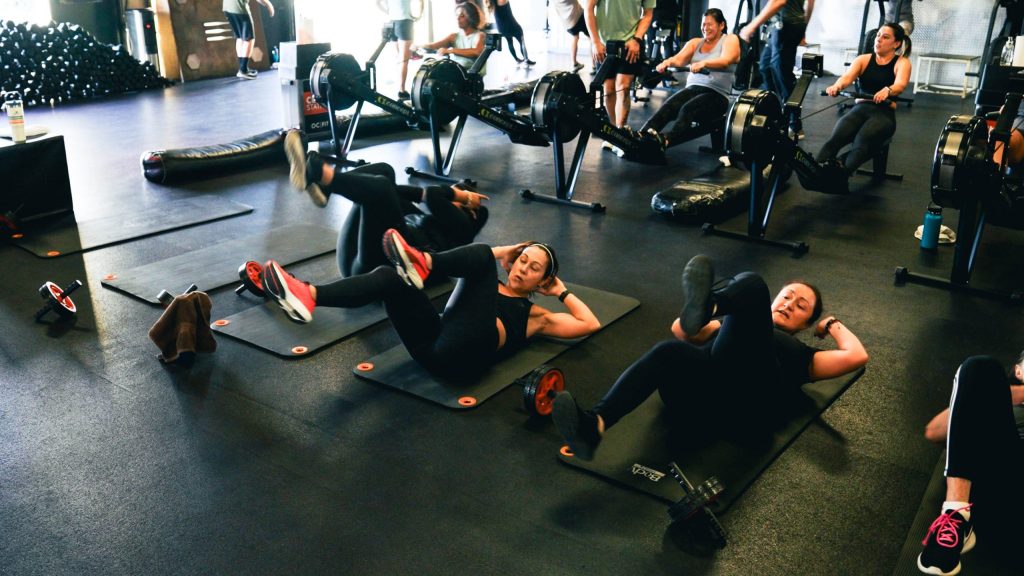
Circuit training is more than just a fitness fad; it’s a comprehensive workout philosophy that captivates both beginners and seasoned athletes. This unique approach allows participants to engage in a variety of exercises in a sequence known as a circuit. This structure is designed to target different muscle groups while increasing cardiovascular endurance, making it a compelling choice for anyone looking to enhance their overall fitness.
Why Choose Circuit Training?
Circuit training offers several advantages that make it a compelling fitness choice. Let’s break down some key benefits:
- Time-efficient: In today’s fast-paced world, time is often of the essence. Circuit training allows individuals to complete a full-body workout in as little as 30 minutes. For instance, by cycling through various stations of exercises such as squats, push-ups, and jumping jacks, you can achieve an effective workout without spending hours at the gym.
- Variety: Boredom is one of the leading causes of workout drop-off. Circuit training combats this by incorporating strength, cardio, and flexibility exercises, keeping each session fresh and exciting. You might find yourself transitioning from kettlebell swings to planks, ensuring that your muscles never adapt to a single routine.
- Boosts metabolism: High-intensity circuit training elevates your heart rate, leading to increased calorie burn—not just during the workout, but also in the hours that follow. This afterburn effect, known scientifically as excess post-exercise oxygen consumption (EPOC), can significantly boost your weight loss efforts.
Moreover, the integration of different techniques can dramatically enhance your fitness journey. For example, combining elements from High-Intensity Interval Training (HIIT), bodyweight movements, and aerobic activities can create a well-rounded workout that challenges various aspects of your physical capabilities. The adaptability of circuit training allows you to customize your workouts to suit your fitness level and personal preferences, accommodating everyone from beginners to advanced fitness enthusiasts.
Ready to Dive In?
As you consider embracing circuit training, think about how to creatively mix and match various forms of exercise. You might incorporate movements like mountain climbers, resistance band exercises, and box jumps in a single circuit for a comprehensive session. For beginners, starting with simpler movements and lighter weights can build confidence without overwhelming them. Conversely, seasoned athletes can push their limits by incorporating advanced training techniques or reducing rest intervals for heightened intensity.
To optimize your circuit training experience, focus on setting clear goals, such as improving strength, enhancing endurance, or losing weight. Tracking your progress can also be motivating—whether it’s recording the number of circuits completed, the weight lifted, or the time taken. Ultimately, the flexibility and variety of circuit training provide a dynamic avenue for achieving health and fitness goals while keeping workouts engaging and fun.
DISCOVER MORE: Click here to find out which is better for your workout
Designing Your Circuit Training Routine
Building an efficient circuit training routine requires careful consideration of the types of exercises you incorporate, how you structure each session, and your individual fitness goals. The flexibility of circuit training allows for a seamless blend of diverse workout styles, ensuring that you not only maintain interest but also achieve maximum results. To set the foundation for a productive circuit training experience, keep these essential tips in mind.
Choosing the Right Exercises
Exercise selection is paramount in circuit training. When creating your routine, aim to include a range of exercises that target different muscle groups while also addressing various fitness components such as strength, endurance, flexibility, and cardiovascular health. Here’s a framework to guide your exercise choices:
- Strength Exercises: Incorporate resistance movements such as squats, lunges, dumbbell rows, and push-ups. These exercises not only enhance muscle strength but also build bone density and improve functional fitness.
- Cardiovascular Exercises: High-intensity activities like jumping jacks, burpees, or sprints can elevate your heart rate and boost cardiovascular endurance. These movements can also serve as powerful fat-burning tools when interspersed throughout your routine.
- Core Stability: Don’t forget to include exercises that target your core, such as planks, Russian twists, and mountain climbers. A strong core is vital for overall stability and can improve performance in other exercises.
- Flexibility and Mobility: Incorporate stretching and mobility exercises such as dynamic lunges or yoga poses to improve joint function and prevent injury. This aspect is crucial for maintaining flexibility over time and enhancing overall workout longevity.
Structuring Your Circuit
The structure of your circuit can be customized based on time constraints and fitness level. A well-defined plan will ensure you use your time effectively. Here’s how you can structure your sessions:
- Time-Based Circuits: Assign a fixed duration for each exercise, typically ranging from 30 seconds to 2 minutes, followed by short rest intervals (e.g., 15-30 seconds) between exercises. This type of circuit focuses on maintaining heart rate and maximizing calorie burn.
- Rep-Based Circuits: Set a specific number of repetitions for each exercise. This format is great for focusing on strength and endurance, allowing you to build muscle through consistent effort.
- Combination Circuits: Mix and match time-based and rep-based formats for a versatile workout that keeps your body guessing. This approach can help break through fitness plateaus and spark new motivation.
In summary, designing your circuit training routine with a variety of exercise types and a well-thought-out structure can significantly enhance your overall fitness experience. The combination of strength, cardio, core, and flexibility exercises not only ensures a full-body workout but also prevents monotony, ultimately encouraging adherence to your fitness journey. As you refine your circuits, remember that customization is key—what works for one person may need adjustments for another, so be attentive to your body and preferences.
| Category | Key Features |
|---|---|
| Heart Rate Control | Incorporates intervals to boost cardiorespiratory endurance. |
| Adaptability | Allows a variety of exercises to suit all fitness levels. |
| Time Efficiency | Maximizes workout benefits in shorter durations. |
| Cross-Training | Incorporates strength, endurance, and flexibility into one session. |
One of the main advantages of using a circuit training routine is the ability to maintain robust heart rate control, strategically designed to push cardiovascular limits without overtraining. Each interval sparks a range of heart rates, ultimately enhancing cardiorespiratory endurance. The adaptability of the program also appeals to a wide audience. Whether a beginner or an experienced athlete, individuals can adjust the challenge to align with their fitness levels, ensuring inclusivity.Moreover, the time efficiency of circuit training cannot be overstated. Short, intense workouts lead to significant calorie burns in limited timeframes, appealing to those juggling busy schedules. Circuit training doesn’t only focus on lifting weights or running but introduces a cross-training philosophy. By fusing various exercise techniques, participants can effectively build strength, enhance endurance, and improve flexibility—all within an integrated, engaging session, making it easier to stay committed.
DISCOVER MORE: Click here to dive deeper
Maximizing Results Through Smart Combining Techniques
Integrating various exercise techniques into your circuit training routine not only adds variety but also helps in achieving a holistic improvement in fitness. Each technique focuses on different aspects of your health and physical capabilities. By strategically combining these techniques, you can create sessions that challenge your body in unique ways while keeping you engaged and motivated.
High-Intensity Interval Training (HIIT)
High-Intensity Interval Training, or HIIT, is an excellent method to incorporate into your circuit training. This technique involves alternating short bursts of intense activity with periods of lower intensity or rest. The beauty of HIIT lies in its efficiency; studies have shown that even just 15-30 minutes of HIIT can deliver significant cardiovascular and metabolic benefits. To seamlessly integrate HIIT into your circuit:
- Set Clear Intervals: Use a timer to designate intervals, such as 20 seconds of maximum effort on an exercise followed by 10-20 seconds of rest. This method aligns perfectly with various circuits, allowing you to push your limits.
- Mix Cardio and Strength: Combine strength-building exercises like squats and kettlebell swings with high-intensity cardio bursts like jump rope or mountain climbers. This combination keeps your heart rate elevated, optimizing calorie burn.
- Focus on Functional Movement: Include functional exercises that mimic everyday activities. Movements such as burpees, box jumps, and push presses not only enhance strength but also improve overall agility and coordination.
Incorporating Pilates and Yoga Elements
Integrating elements from Pilates and Yoga can significantly improve your core strength, flexibility, and balance. These practices emphasize body awareness and controlled movements, which can complement the high-energy aspects of circuit training. Here’s how:
- Core Integration: Start your circuit with Pilates-inspired core exercises like the Teaser or the Hundred. These movements activate the deep core muscles, setting a strong foundation for subsequent exercises.
- Active Recovery: Use Yoga poses like Child’s Pose or Downward Dog during recovery intervals to maintain mobility while allowing your heart rate to decrease. This can enhance relaxation and prevent stiffness.
- Dynamic Stretches: Incorporate dynamic stretching sequences such as leg swings or arm circles at the beginning of your circuit. This primes your muscles and joints for activity while minimizing injury risk.
Exploring Equipment Variety
Incorporating different equipment can also elevate your circuit training experience. By utilizing various tools, you can add complexity to your routine, keeping it fresh and exciting. Consider the following options:
- Kettlebells and Dumbbells: These versatile weights can be used for an array of exercises, enhancing both strength and coordination. Kettlebell swings, goblet squats, and dumbbell snatches are all effective choices.
- Resistance Bands: Ideal for all fitness levels, resistance bands provide constant resistance throughout the movement. They can be used for exercises like banded squats or lateral walks to target specific muscle groups.
- Stability Balls: Incorporating stability balls into your routine can challenge your balance and stability, enhancing your core engagement. Use them for exercises like ball rollouts or wall squats for an added challenge.
By enriching your circuit training routine with smart combinations of techniques like HIIT, Pilates, and varied equipment, you’re not only maximizing the benefits of your workout but also fostering a more enjoyable exercise experience. Experiment with different combinations and monitor how your body responds to find the perfect balance of intensity and recovery. This continually evolving approach will keep you motivated and eager to return to the gym or your home workout space.
DIVE DEEPER: Click here for essential supplements to elevate your training
Conclusion: Elevate Your Circuit Training Routine
Incorporating a diverse array of exercise techniques into your circuit training routine can dramatically enhance your overall fitness journey. By blending approaches such as High-Intensity Interval Training (HIIT), elements from Pilates and Yoga, and a variety of equipment, you create a dynamic workout that caters to multiple fitness aspects—strength, endurance, flexibility, and overall well-being. This thoughtful integration not only prevents workout monotony but also maximizes your results.
As you experiment with different combinations, take the time to listen to your body and assess how these multifaceted exercises impact your performance and recovery. Engaging in varied circuits can lead to quicker adaptation, ensuring that your body continues to challenge itself, and helping you avoid plateaus. Furthermore, sharing your evolving routine with fellow enthusiasts or a qualified fitness professional can inspire creativity and foster accountability.
With the constant evolution in fitness, staying informed about new strategies, techniques, and studies will empower you to refine your routine continually. It’s essential to embrace the process, encourage your growth, and celebrate your progress along the way. Using this multifaceted approach to circuit training can lead to lasting improvements in both your physical health and mental motivation. So gear up, get creative, and embark on a fitness adventure that is just as exhilarating as it is effective!

Beatriz Johnson is a seasoned fitness specialist and writer with a passion for simplifying the complexities of strength training and gym workouts. With over a decade of experience in the fitness industry, she specializes in topics like weight training techniques, workout programming, and exercise science principles. Through her work, Beatriz empowers readers to make informed fitness decisions, build sustainable training habits, and stay ahead in their journey toward stronger, healthier bodies.