
Crafting Your Unique Fitness Journey
Embarking on a fitness journey can be both exciting and overwhelming. For beginners, the key to success lies in creating a personalized workout routine that aligns with individual goals, preferences, and lifestyles. A one-size-fits-all approach rarely yields the best results, so it’s essential to tailor your plans to suit your unique needs. This journey is personal and should reflect what inspires you and what fits your lifestyle.
When considering your fitness journey, here are some critical components to ponder when devising your routine:
- Goals: Clearly define what you want to achieve. Are you looking for weight loss, muscle gain, or perhaps an overall improvement in health and fitness? For instance, weight loss may require a focus on cardiovascular activities combined with strength training, while muscle gain will emphasize weight lifting and higher protein intake.
- Fitness Level: It’s essential to assess your current fitness level. This might involve understanding your endurance, strength, and flexibility. Beginners might start with lighter weights and shorter durations, gradually increasing intensity. Acknowledging where you start allows you to set realistic and motivating expectations.
- Time Commitment: Consider how many days a week you can realistically dedicate to working out. Busy lifestyles often make it challenging to find time. If you can only manage three days a week, focus on high-intensity workouts that maximize those sessions. Alternatively, if you can commit to more, you may diversify with both cardio and strength training.
- Workout Preferences: Always choose activities that you genuinely enjoy. This can include anything from cycling or hiking to engaging in riveting group fitness classes. Your workout should not feel like a chore; it should be something you look forward to. Experimenting with different types might uncover a hidden passion for activities like yoga, Zumba, or martial arts.
Equipped with the right structure, beginners can forge a sustainable path toward improved health. Research underscores that a personalized approach not only enhances motivation but also significantly boosts adherence to fitness goals. For instance, a study published in the American Journal of Preventive Medicine found that individuals who set specific and measurable goals were more successful in maintaining their exercise regimens than those with vague aspirations.
In our subsequent sections, we’ll explore practical steps designed to assist you in creating an effective workout plan that resonates with your aspirations while adapting to your lifestyle. We’ll look into how to track progress, overcome common obstacles, and remain engaged in your personal fitness saga. Remember, the journey is uniquely yours—embrace the process of discovery as you move towards your goals!
DISCOVER MORE: Click here for advanced training techniques
Identifying Your Fitness Foundation
Before diving into creating a personalized workout routine, it’s crucial to establish a solid foundation. This provides clarity and purpose to your fitness journey. The following steps can help you build a strong basis for your personalized plan.
1. Assess Your Current Fitness Level
Understanding your starting point is essential. This means evaluating your endurance, strength, and flexibility. Consider conducting simple exercises to measure these areas, such as:
- 1-Mile Walk/Run: Time yourself to gauge your cardiovascular fitness.
- Push-Up Test: Count how many push-ups you can do in one minute to assess upper body strength.
- Bodyweight Squats: Check how many reps you can perform in a minute, indicating lower body strength.
- Flexibility Check: Sit and reach to measure your hamstring flexibility.
This fitness assessment helps create benchmarks to measure your progress, ensuring that your personalized workout routine evolves with your growing abilities.
2. Define Your Workout Goals
Establishing specific and attainable fitness goals is pivotal. Are you aiming for weight loss, muscle gain, or an overall improvement in health? For example:
- Weight Loss: Focus on incorporating cardio activities, such as running or cycling, alongside low-weight, high-rep strength training.
- Muscle Gain: Prioritize resistance training with heavy weights, low repetitions, and a focus on compound movements like squats and bench presses.
- Endurance: Incorporate longer sessions of moderate cardio, like jogging or swimming, to build stamina.
Be sure to set short-term milestones that lead up to your ultimate objective, creating a roadmap that keeps you motivated and accountable.
3. Choose the Right Activities for You
Finding workout activities that you genuinely enjoy is vital for long-term adherence. Consider varying your routine to retain interest. Here are examples of workouts to explore:
- Aerobic Classes: Such as Zumba or kickboxing, which can make working out feel like fun.
- Outdoor Activities: Engage in hiking, biking, or playing sports to take advantage of fresh air.
- Strength Training: Start with bodyweight exercises like push-ups and squats, progressively incorporating gym equipment.
- Yoga or Pilates: Enhance flexibility and core strength while fostering a mind-body connection.
The more enjoyable your chosen activities are, the less likely you are to abandon your workout routine. It’s all about mixing in the right ingredients to make the fitness recipe truly yours.
As you start piecing together these fundamental elements, you’re not just building a routine; you’re laying the groundwork for a sustainable, personalized fitness lifestyle. This process is not merely about physical transformation; it’s about crafting a holistic approach that integrates with your life, making each step forward feel rewarding.
Understanding Your Fitness Level
When embarking on the journey of fitness, it’s crucial to first understand your current fitness level. This self-assessment will guide you in creating a personalized workout routine that aligns with your capacities and goals. Consider factors like your age, past fitness experiences, and existing health conditions. Start with a simple fitness test—maybe a timed walk or a basic strength exercise like push-ups or squats—to gauge where you stand. Keep in mind that you should always consult a healthcare professional before beginning any new exercise plan, particularly if you have underlying health concerns. Incorporating these insights will help tailor your routine to your unique needs, ensuring a balanced approach that can help avoid injury while promoting progress.
Setting Realistic Goals
Setting specific, measurable, and achievable goals is another cornerstone of a personalized workout routine for beginners. Instead of vague intentions like “getting fit,” aim for precise objectives such as “running 5 kilometers without stopping” or “completing ten bodyweight squats in one minute.” These SMART (Specific, Measurable, Achievable, Relevant, Time-bound) goals will not only keep you accountable but also provide motivation as you track your progress. Regularly revisit and adjust these targets based on your evolving fitness level to maintain engagement and success in your workout journey.
Incorporating a Variety of Exercises
A balanced workout routine combines various types of exercises—cardiovascular, strength training, flexibility, and balance work. For beginners, 20-30 minutes of moderate cardiovascular activity several times a week can significantly enhance cardiovascular health. Additionally, integrating strength exercises at least two days a week engages different muscle groups, building strength and endurance. Don’t forget flexibility exercises like stretching or yoga postures, which can enhance your overall range of motion and reduce the risk of injuries. Aim for a routine that keeps you refreshed and excited about your workouts rather than one that feels monotonous.
Scheduling Your Workouts
Creating a consistent exercise schedule is essential. Identify specific days and times that will work best for you, ensuring they fit comfortably into your existing commitments. Beginners often find success when they establish a regular routine, like working out every Monday, Wednesday, and Friday at 5 PM. Use a calendar or fitness app to set reminders for your workout sessions, helping reinforce your commitment. Consistency is key to building a strong fitness habit, so treat your workouts as important appointments that you won’t want to miss.
Tracking Your Progress
Lastly, tracking your progress is vital when creating a personalized workout routine. This could include keeping a fitness journal, using mobile applications, or wearables that monitor your activities. Recording your workouts not only allows you to celebrate small victories but also helps identify patterns or areas for improvement. Metrics such as increased weights lifted, improved endurance, or flexibility enhancements can all serve as motivation to keep pushing forward. By making progress visible, you can stay committed and focused on achieving your goals.
| Advantage | Description |
|---|---|
| Personalized Approach | Tailors workouts to individual needs, making them more effective and enjoyable. |
| Progress Tracking | Allows for monitoring improvements, keeping motivation high as you see results. |
DISCOVER MORE: Click here to enhance your daily performance
Structuring Your Personalized Workout Plan
Once you’ve laid the groundwork by assessing your fitness level, defining your goals, and selecting enjoyable activities, the next step is to create a structured workout plan. A well-organized routine can enhance your commitment, boost your performance, and lead to successful, sustainable results.
1. Determine Frequency and Duration
Establishing how often you’ll work out and for how long each session will last is crucial. For beginners, it’s typically recommended to aim for 150 minutes of moderate aerobic activity or 75 minutes of vigorous activity each week, as per guidelines from the American Heart Association. Consider the frequency of your workouts:
- 3-5 Days Per Week: Most successful beginner routines incorporate a mix of cardio and strength training. For instance, alternate between three days of cardio and two days of strength training.
- Session Length: Target 20-60 minutes per session, depending on your fitness level and available time. Beginners may start with shorter sessions and gradually increase duration.
Remember, consistency is key. Scheduling your workouts like appointments can help you stay on track. Make use of digital calendars or fitness apps to remind you of your workout sessions.
2. Incorporate Warm-Up and Cool-Down
Don’t underestimate the importance of warm-ups and cool-downs, as they prepare your body for exercise and promote recovery. A good warm-up should last about 5-10 minutes and can include:
- Dynamic Stretches: Arm circles, leg swings, and torso twists to increase blood flow and flexibility.
- Light Cardio: Activities like brisk walking or light jogging to elevate your heart rate gradually.
A proper cool-down, equally important, should also last about 5-10 minutes and consist of:
- Static Stretches: Holding stretches for major muscle groups to relieve tension and improve flexibility.
- Deep Breathing: Focusing on your breath helps in reducing heart rate and promoting relaxation.
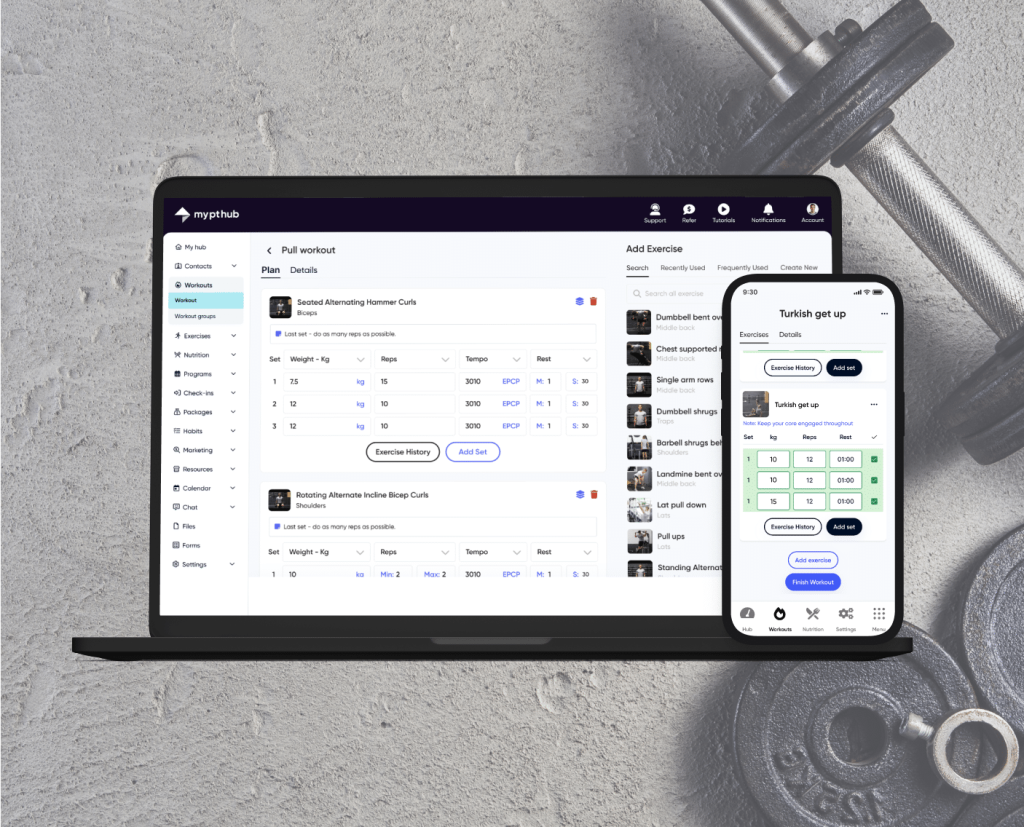
3. Track Your Progress
Keeping a workout journal or using fitness tracking apps can significantly boost your motivation and progress. Documenting your workouts allows you to:
- Monitor Improvements: Record your performance, such as increased weights, reps, or longer cardio durations.
- Stay Accountable: Having a visual reminder of your commitment can push you to stick with your routine.
- Adjust Goals: If you notice you’re consistently meeting your goals, consider stepping things up to avoid plateaus.
Data shows that individuals who track their exercises are more likely to achieve their fitness goals, making this an indispensable part of your personalized routine.
4. Stay Flexible
On your fitness journey, life can sometimes get in the way. Be prepared to make adjustments to your workout plan when necessary. Whether it’s due to a busy schedule, a sudden change in motivation, or if you simply want to try something new, being flexible is crucial. Consider:
- Modifying Workouts: If you’re feeling fatigued, aim for a lighter session instead of skipping entirely. For example, opt for gentle yoga or a leisurely walk.
- Trying New Things: Mixing in different classes or team sports can invigorate your routine and reignite your passion for exercise.
By diligently applying these strategies to structure your personalized workout plan, you’re taking vital steps toward not only meeting your fitness goals but also enjoying the journey. Remember, each workout is an opportunity to celebrate your progress and commitment.
LEARN MORE: Click here to discover how nutrition can enhance your workouts
Conclusion: Embark on Your Personalized Fitness Journey
Creating a personalized workout routine is a transformative journey that begins with understanding your current fitness level, setting achievable goals, and exploring activities that genuinely excite you. As a beginner, adhering to a well-structured plan is not only essential for fostering commitment but also enhances your chances of experiencing lasting success. It is vital to remember the recommended guidelines of 150 minutes of moderate aerobic activity weekly, and to mix in strength training for a balanced approach.
Moreover, the importance of warm-ups, cool-downs, and tracking your progress cannot be overstated. These components help in maximizing the efficacy of your workouts while minimizing the risk of injury. By documenting your progress, you create a motivating feedback loop that encourages continuous improvement. Additionally, embracing flexibility within your routine can keep the experience fresh and invigorating. Life is unpredictable, and being adaptable in your approach allows you to maintain momentum regardless of unexpected challenges.
Ultimately, the key to a successful personalized workout routine is to focus on enjoying the process. Cherish each small victory, whether it’s an increase in stamina or a newfound passion for a particular exercise. The world of fitness is vast and filled with opportunities for growth and discovery. As you embark on this journey, always remember to listen to your body, celebrate your milestones, and most importantly, have fun. Let this newfound commitment to fitness empower you to lead a healthier, more active life.

Beatriz Johnson is a seasoned fitness specialist and writer with a passion for simplifying the complexities of strength training and gym workouts. With over a decade of experience in the fitness industry, she specializes in topics like weight training techniques, workout programming, and exercise science principles. Through her work, Beatriz empowers readers to make informed fitness decisions, build sustainable training habits, and stay ahead in their journey toward stronger, healthier bodies.