
The Rise of Resistance Bands in Modern Fitness
In recent years, resistance bands have transformed the landscape of physical fitness, emerging as a critical component of effective training regimens. Their ability to introduce progressive resistance has made them a favorite among both amateur and professional fitness enthusiasts. Whether you seek to build strength, improve flexibility, or enhance muscular endurance, resistance bands can accommodate various goals and fitness levels.
This innovative approach to strength training has several advantages that contribute to the increasing popularity of resistance bands in gyms and homes alike. One standout benefit is their versatility. Users can engage major muscle groups through a wide array of exercises, including squats, bicep curls, shoulder presses, and even core workouts. For instance, performing a chest press with a resistance band not only targets the pectoral muscles but also engages stabilizing muscles, enhancing overall strength and coordination.
Another attractive feature is their portability. Made from lightweight materials, resistance bands can be easily packed into a gym bag, purse, or suitcase, making them an ideal choice for those who travel frequently or prefer to work out in the comfort of their own home. Imagine staying consistent with your fitness goals while on a business trip or vacation—resistance bands enable just that. With only a few bands ranging in resistance levels, you can create a whole gym experience where equipment is minimal, yet diverse.
Perhaps what distinguishes resistance bands the most is their variable resistance nature. Unlike traditional weights that exert a constant load, bands provide tension throughout the entire range of motion. This means your muscles are continually engaged, leading to greater activation and improved muscle growth. For example, when performing a leg extension with a resistance band, the tension not only works the quadriceps but also challenges the hamstrings and glutes at various points of the movement.
Ultimately, resistance bands promote the principle of progressive overload, which is crucial for muscle hypertrophy. Adjusting the band’s stretch or choosing a different resistance level allows both beginners and advanced athletes to progressively challenge their muscles. As workouts become more tailored to individual capabilities, achieving fitness goals becomes increasingly attainable and efficient.
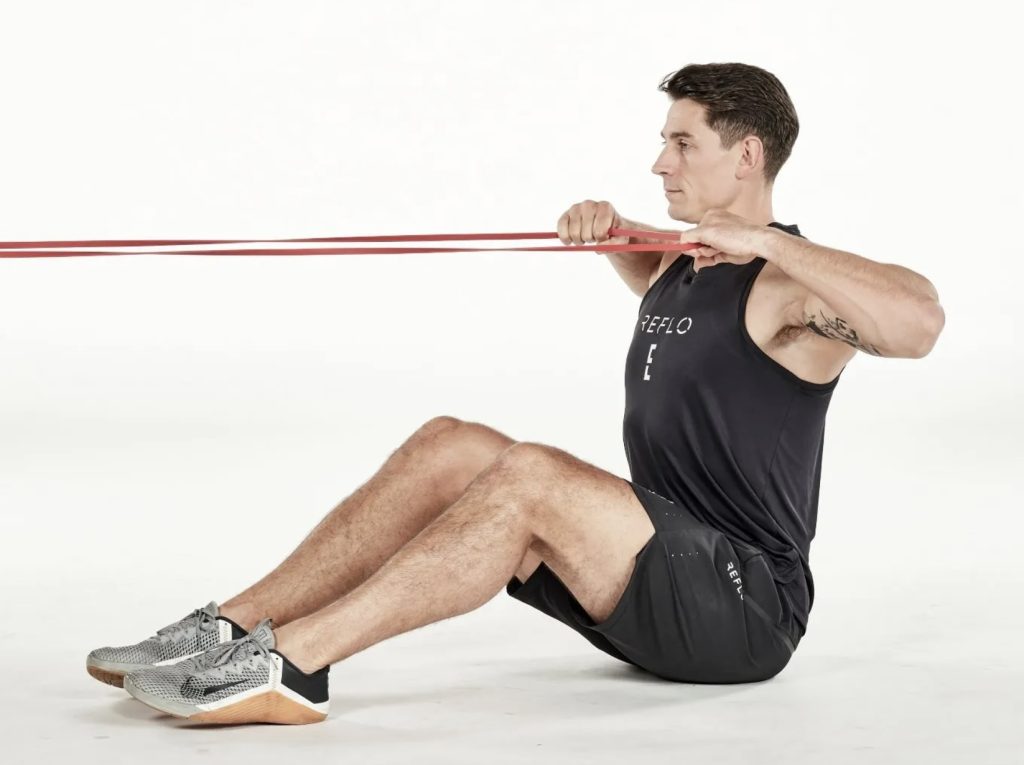
In our exploration of resistance bands, we will further examine their psycho-physiological effects and how they can enhance conventional strength training. This deeper understanding invites fitness enthusiasts to reevaluate their routines and potentially integrate these innovative tools into their regimen for enhanced results.
DISCOVER MORE: Click here for seasonal workout tips
Understanding the Mechanisms of Resistance Bands
To grasp the role of resistance bands in enhancing weight training effectiveness, it is essential to delve into how these tools operate and the physiological principles underpinning their benefits. At their core, resistance bands utilize elastic materials that create varying levels of tension. This flexibility allows users to experience a unique training stimulus that is difficult to replicate with free weights or machines alone.
One crucial factor that sets resistance bands apart is their progressive resistance capability. As you stretch the band, the resistance increases, making it necessary for your muscles to constantly adapt and exert effort throughout the range of motion. This continuous challenge is particularly valuable for promoting muscle hypertrophy—an essential aspect of strength training. This all-encompassing engagement ensures that both large and small muscle groups are activated, leading to a comprehensive workout.
The Impact on Muscle Activation
Resistance bands have been shown to enhance muscle activation during exercises. Research indicates that exercises performed with bands often result in heightened engagement of the target muscle groups compared to traditional weights. Here’s how resistance bands can improve the effectiveness of specific movements:
- Squats: Adding bands to a squat exercise increases the demand on your glutes and quadriceps. This added tension at the peak of the squat engages stabilizers, which can improve overall balance and strength.
- Deadlifts: When utilizing resistance bands in deadlifts, the resistance increases as you lift, promoting strength throughout the exercise and enhancing stability in the lower back.
- Bicep Curls: Resistance bands enable a different load pattern. As you curl, the tension increases significantly at the top of the movement, creating a potent stimulus for muscle growth.
Moreover, resistance bands are excellent for injury rehabilitation and maintenance. Their low-impact nature provides a safer alternative to traditional weights, allowing users to recover without putting excessive strain on their joints. This versatility makes them a valuable option for all fitness levels, from beginners to elite athletes.
Integrating Resistance Bands into Your Routine
Incorporating resistance bands into your weight training program is remarkably straightforward. Many fitness routines can easily be augmented with bands, presenting limitless possibilities for improving both strength and endurance. Add bands to compound movements or use them in isolation exercises for targeted muscle activation. Their adaptability allows users to modify existing workouts or develop entirely new ones with little to no additional equipment.
Ultimately, the role of resistance bands in weight training transcends their simplicity; they represent a potent ally in enhancing strength, flexibility, and functional movement patterns. As we continue to explore the integration of these tools into effective fitness regimens, we uncover new pathways for achieving optimal training results that boost performance and overall health.
The Role of Resistance Bands in Enhancing Weight Training Effectiveness
Resistance bands are increasingly recognized as valuable tools in the realm of weight training, providing unique advantages that enhance overall workout efficacy. These elastic bands, which come in various colors and resistances, allow users to perform a wide range of exercises targeting different muscle groups. Their versatility not only broadens the scope of a training regimen but also makes workouts accessible to individuals at various fitness levels.One of the most significant benefits of resistance bands is their ability to provide constant tension throughout the movement. Unlike traditional weights, which only provide resistance at certain points, resistance bands challenge the muscles consistently, thus promoting greater strength gains. This continuous tension leads to more effective muscle engagement, thereby enhancing both strength and endurance.Moreover, incorporating resistance bands into weight training routines can aid in improving mobility and flexibility. The bands can be used for dynamic stretching and rehabilitation exercises, helping to increase the range of motion in joints and muscles. This dual functionality makes them an excellent addition to any training program, ensuring that users not only build strength but also maintain their overall physical health.Furthermore, resistance bands offer a unique way to effectively perform compound movements. Exercises such as squats, lunges, and deadlifts can be intensified with the addition of band resistance, further enhancing their effectiveness. This capability allows for greater muscle recruitment and improves stabilization during lifts, leading to more comprehensive workouts.For those looking to explore the potential of resistance bands, understanding their integration into existing weight training protocols can pave the way for substantial fitness improvements. Not only do they serve as effective supplements to traditional weights, but they also provide a safe and adaptable option for injury prevention and rehabilitation. As more fitness enthusiasts recognize their benefits, the role of resistance bands in weight training is likely to become even more prominent.
| Advantage | Description |
|---|---|
| Constant Resistance | Maintains tension throughout the exercise, enhancing muscle engagement. |
| Improved Flexibility | Aids in joint mobility and muscle flexibility, crucial for overall fitness. |
| Enhanced Stability | Supports stability in compound movements, leading to a more effective workout. |
| Adaptable to All Levels | Easily customized for different fitness levels, making them accessible for everyone. |
In summary, the integration of resistance bands into weight training provides an innovative approach to fitness that promotes sustainability and effectiveness. As we delve deeper into the world of strength training, recognizing and utilizing these tools can significantly transform training dynamics and yield substantial results.
DIVE DEEPER: Click here to discover essential nutritional strategies
Exploring Versatility and Adaptability in Training
Resistance bands are not just supplementary tools in weight training; their versatility allows for a broad spectrum of exercises that cater to varying fitness levels and goals. The adaptability of resistance bands makes them an invaluable addition to any training regimen, particularly for those seeking to diversify their workouts. Unlike traditional free weights, resistance bands can be used in multiple ways, facilitating dynamic movement patterns that engage muscle groups differently.
Multi-plane movement is one significant advantage bands offer. They allow trainers to add resistance not just in a straight line but also in multi-dimensional exercises. This capability enhances proprioception—the body’s awareness of its position in space—which is particularly beneficial for athletes involved in sports with diverse movements, such as soccer, basketball, or martial arts. For example, incorporating lateral band walks improves hip stability and mobility, enhancing performance in sports that require quick lateral movements.
Enhancing Functional Strength
The shift towards functional training emphasizes movements that mirror our daily activities, aiming to improve overall performance in real-world situations. Resistance bands are exceptionally well-suited in this domain. By replicating various functional movements, users can train specific muscle groups while boosting overall functionality. For instance, performing a banded overhead press or a band-resisted squat prepares the user not just for lifting weights but also for lifting objects in everyday life.
Moreover, band-resisted sprints and agility drills help refine speed and quickness while developing the strength required to accelerate rapidly. Research indicates that athletes who incorporate resistance bands into their training see significant improvements in their sprint times and overall athletic performance. This enhancement occurs due to the increased power output generated during resistance-based movements.
Promoting Joint Stability and Injury Prevention
Another compelling attribute of resistance bands is their potential to aid in joint stability and injury prevention. A study from the American Journal of Sports Medicine highlighted that strength training with resistance bands significantly improved shoulder stability in athletes, reducing the likelihood of shoulder injuries. By targeting stabilizing muscles that are often neglected with traditional weights, resistance bands provide a holistic approach to strength training.
For those recovering from injuries, resistance bands present an ideal training option. Their controlled resistance allows users to gradually increase strength without the heightened risk of injury associated with heavier weights. Incorporating bands into physical therapy routines can facilitate a safe and effective recovery process, highlighting their role in maintaining physical health as well as improving strength and flexibility.
As fitness enthusiasts and athletes alike seek new and effective methods of training, the role of resistance bands continues to grow in popularity. From enhancing muscle activation and promoting functional strength to integrating injury prevention strategies, resistance bands provide a dynamic tool for all levels of fitness. Their ability to facilitate a wide range of exercises showcases their significance in modern weight training programs, ensuring users not only achieve their strength goals but also enhance overall well-being.
DON’T MISS: Click here to discover essential nutrition tips
Conclusion: The Transformative Power of Resistance Bands in Weight Training
As we have explored throughout this article, the role of resistance bands in enhancing weight training effectiveness cannot be overstated. These versatile tools not only amplify the engagement of muscle groups through multi-dimensional movements but also offer a unique means to develop functional strength that translates directly into improved performance in daily activities and sports. The ability to safely incorporate resistance bands into training routines promotes joint stability and mitigates injury risk, which is especially crucial for both novice and experienced athletes alike.
Incorporating resistance bands into a comprehensive fitness regimen opens doors to a myriad of exercises that can be tailored to suit individual goals and capabilities. Their lightweight and portable nature further ensures that workouts remain flexible, allowing users to train anywhere, whether at home or on the go. Research increasingly supports the effectiveness of resistance bands in demonstrating measurable improvements in strength, speed, and overall athletic performance, confirming their pivotal role in modern fitness landscapes.
Ultimately, resistance bands are not merely an add-on to traditional weight training; they represent a mindset shift towards a holistic training approach that emphasizes variety, injury prevention, and adaptability. For anyone looking to enhance their strength training routine, resistance bands provide a practical, effective solution that enhances both physical well-being and overall fitness outcomes. As you consider your own training journey, exploring the potential of resistance bands could lead to exciting new dimensions in your fitness path.

Beatriz Johnson is a seasoned fitness specialist and writer with a passion for simplifying the complexities of strength training and gym workouts. With over a decade of experience in the fitness industry, she specializes in topics like weight training techniques, workout programming, and exercise science principles. Through her work, Beatriz empowers readers to make informed fitness decisions, build sustainable training habits, and stay ahead in their journey toward stronger, healthier bodies.