
The Consequences of Incorrect Lifting
Every year, countless individuals suffer from lifting-related injuries, highlighting the necessity for proper lifting techniques. Such injuries can have severe ramifications, especially for those engaged in physically demanding jobs or active lifestyles. The likelihood of sustaining injuries increases dramatically when lifting is done improperly, underscoring the importance of education and awareness around effective lifting methods.
Common Injuries Linked to Poor Lifting Practices
- Back injuries – These are among the most frequently reported injuries in workplaces and homes alike. For example, herniated discs and muscle sprains can result from awkward positions and excessive loads, leading to chronic pain and discomfort.
- Muscle strains – When proper techniques are ignored, muscles can easily be strained or pulled. This is particularly common in the arms, legs, and back, which often results in missed workdays and medical expenses.
- Joint issues – Utilization of incorrect lifting methods can worsen pre-existing conditions, such as arthritis or tendonitis. Over time, these issues can lead to significant mobility limitations and increased pain.
Mechanics of Effective Lifting
Understanding the mechanics behind effective lifting not only minimizes injury risk but can also enhance lifting efficacy. Here are key strategies to implement:
- Engaging your core – A strong core increases stability, helping the body maintain balance and proper posture while lifting. Exercises that strengthen the abdominal and lower back muscles can assist in this regard.
- Maintaining a straight back – By keeping your spine aligned and straight, weight is distributed more evenly across your body. It’s crucial to avoid twisting movements while lifting, as this increases strain on the spine.
- Using your legs instead of your back – Bending at the knees allows your legs to do most of the heavy lifting, significantly reducing the strain placed on your back. Incorporating squats in your daily routine can enhance leg strength for this purpose.
The Broader Impact of Proper Lifting
Recognizing the significance of these techniques not only impacts physical health but also boosts overall productivity. For instance, in high-demand environments like construction sites or fitness centers, implementing proper lifting techniques can lead to decreased injury rates, resulting in fewer work stoppages and improved morale among workers. Furthermore, individuals who lift correctly can engage in daily activities without fear of injury, enhancing their quality of life.
In the course of this exploration, we’ll delve deeper into specific techniques, common mistakes, and proactive strategies to incorporate effective lifting practices into your routine. By committing to a focus on safe lifting, individuals will be well-equipped to reduce injury risk and promote a healthier lifestyle for themselves and those around them.
LEARN MORE: Click here to enhance your workout routine
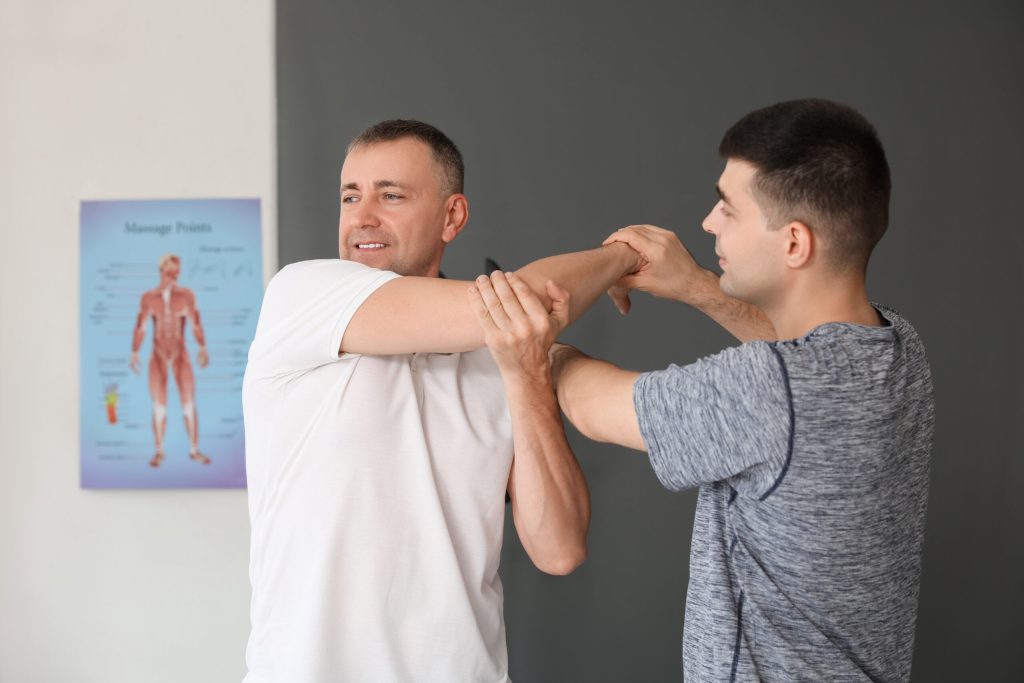
Understanding the Importance of Proper Lifting Techniques
Proper lifting techniques are a linchpin in the effort to stave off injuries, particularly in a society that frequently engages in physical labor, whether in a work environment or at home. To truly grasp the role of lifting technique in injury prevention, one must first navigate the anatomy of movement and how improper techniques can lead to both immediate and long-term health problems.
Anatomy of Movement: The Science Behind Lifting
To prevent injuries while lifting, it is imperative to understand how the body functions during this activity. Consider the following components in lifting:
- Center of Gravity – Every individual has a unique center of gravity influenced by body composition and posture. Lifting heavy objects alters this equilibrium. Maintaining a midline center of gravity while lifting can help distribute weight evenly and prevent strain.
- Muscle Activation – Engaging the right muscle groups, such as the core, legs, and arms, is essential. Initiating a lift with strong muscles instead of relying on weaker ones is crucial to avoid injuries. For instance, using the hamstrings and quadriceps can dramatically reduce the load placed on the back.
- Joint Positioning – The positioning of joints during lifting can either contribute to safety or exacerbate the risk of injury. Understanding how to align the knees, hips, and shoulders in one smooth motion is fundamental to maintaining joint health.
The mechanics of lifting extend beyond just physical form; they intertwine with neurological factors. When the body is trained to lift properly, it becomes an ingrained response, allowing for smoother and safer lifting regardless of the situation. This conditioning can enhance performance in both workplace settings and everyday tasks, underscoring the need for consistent practice of correct techniques.
The Role of Education in Injury Prevention
In a landscape dominated by physical activity, education plays a vital role in promoting safety. Numerous studies have shown that workplace training programs focusing on proper lifting techniques can significantly decrease the incidence of workplace injuries. For example, organizations that incorporate structured lifting technique training have reported a reduction in lifting-related injuries by up to 40%.
Moreover, education is not confined to professional environments. Learning how to lift safely can benefit anyone, from homemakers to weekend warriors. Workshops, online tutorials, and community fitness sessions can provide invaluable insights into effective lifting methods. By equipping individuals with the knowledge of how to lift safely, the cycle of injury can be broken, allowing for greater years of healthy, active living.
Investing time in understanding the science and mechanics of lifting can lead to improved health outcomes. With proper lifting techniques, individuals are more likely to avoid injuries, contribute to a safer working environment, and overall enjoy a more active lifestyle. The role of lifting technique in injury prevention is not merely a guideline; it’s a fundamental life skill that can transform the way we engage with the physical world.
| Advantage | Description |
|---|---|
| Reduces Risk of Injury | Employing proper lifting techniques significantly minimizes the chances of strains and sprains, which are common injuries during lifting. |
| Improves Efficiency | When lifting techniques are refined, muscle engagement improves, allowing for heavier weights to be lifted more safely and with less fatigue. |
| Enhances Posture | Utilizing the correct technique encourages better spinal alignment, protecting the back and promoting an overall positive posture. |
| Aids Recovery | Individuals recovering from previous injuries can benefit from tailored lifting techniques which help strengthen vulnerable areas without excessive strain. |
Proper lifting technique plays an integral role not just in performance but in maintaining safety throughout various types of physical activities. Awareness of biomechanics allows individuals to protect themselves while acquiring strength, making it essential in any training regimen. Incorporating these lifting methods not only fosters improvement in strength and performance but also nurtures long-term well-being, inviting readers to explore more about how lifting correctly can shape their fitness journeys.
DISCOVER MORE: Click here to learn how to fuel your strength training
Practical Applications of Lifting Techniques in Daily Life
While understanding the science behind lifting techniques is essential, the practical application of these principles in daily life is where the real transformation occurs. Adopting proper lifting techniques can significantly enhance safety not only in the workplace but also in everyday activities. Many people undertake manual lifting unknowingly, and integrating correct methods into routine tasks can effectively diminish the risk of injuries.
Everyday Scenarios: Implementing Safe Lifting
Consider the act of lifting grocery bags or even children—often underestimated as risky. Applying correct lifting techniques can prevent strain and sprain injuries. For instance, when picking up a heavy grocery bag, it’s essential to:
- Squat Down – Bend at the knees and hips while keeping your back straight. This stance allows your legs— the stronger muscle groups— to perform the majority of the lift.
- Keep the Load Close – Hold the bag close to your body. This positioning reduces the strain on your back by keeping the weight centered over your body’s center of gravity.
- Rotate Your Feet – Instead of twisting your back, pivot on your feet to rearrange your position. This simple movement can save you from unnecessary spinal strain.
These techniques are not only applicable to lifting objects but can also extend to sports and fitness activities. Athletes and fitness enthusiasts must incorporate proper technique in weight lifting routines to prevent injuries such as muscle tears or joint issues. Instructors and personal trainers emphasize the importance of form and technique over lifting heavy weights to foster long-lasting health and performance.
Technological Innovations Enhancing Lifting Safety
As advancements in technology unfold, the role of lifting techniques gains even more complexity with tools designed to aid in safe lifting. Ergonomic equipment, such as powered lift tables and hoists, is gaining traction in workplaces, particularly in warehouses and factories. These innovations reflect the need for a collaborative approach to lifting safety, combining technology with human training.
Moreover, health organizations, such as the Occupational Safety and Health Administration (OSHA), provide guidelines and resources to help companies develop effective lifting safety programs. Organizations can leverage this knowledge to implement training sessions that educate employees about lifting techniques suitable for their specific environments. The impact of such programs is noteworthy, with research reporting that organizations using such practices see a significant reduction in workers’ compensation claims.
The Continuous Journey of Learning
The realm of lifting techniques is ever-evolving; hence continuous education is vital. Many organizations promote refresher courses and workshops aimed to update employees on the latest safety protocols. This ongoing learning helps individuals adapt better to new machinery or changes in labor dynamics, keeping lifting techniques relevant and effective over time.
As we become increasingly aware of the significance of proper lifting techniques, it remains clear that this knowledge is foundational for injury prevention. Whether in professional environments or everyday life situations, the emphasis on ergonomics and safe lifting practices cannot be overstated. In essence, investing in education and proper lifting methods is not merely about physical safety; it’s a proactive step towards a healthier lifestyle.
DISCOVER MORE: Click here to enhance your training
Conclusion: Embracing Safe Lifting Techniques for a Healthier Future
In conclusion, the role of lifting technique in injury prevention is a critical yet often overlooked aspect of both professional and personal safety. As we have explored, understanding and applying proper lifting techniques not only mitigates the risk of injuries but also empowers individuals to engage in daily activities with confidence and security. With effective strategies—such as the fundamentals of squatting, load positioning, and proper body mechanics—individuals can significantly reduce the incidence of back strain, sprains, and other musculoskeletal injuries.
Furthermore, the integration of technological innovations in ergonomic equipment and ongoing educational programs serves to enhance our approach to lifting techniques, making safe practices accessible to everyone. By embracing these advancements and adopting a culture of safety, organizations can see tangible benefits, such as lower workers’ compensation claims and increased overall workforce well-being. Investing in proper lifting techniques is not simply a precaution; it represents a proactive commitment to a healthier lifestyle.
As we move forward, continuous education and adherence to safe lifting practices should remain at the forefront of our efforts to foster a healthier environment, both at work and in our daily lives. The journey towards mastering lifting techniques is ongoing, and by remaining informed and adaptable to new insights, we can cultivate a safer, injury-free future for ourselves and those around us. So, the next time you reach for a heavy object, remember that lifting is not just about strength; it’s about technique, mindfulness, and ensuring a sustainable way of living.

Beatriz Johnson is a seasoned fitness specialist and writer with a passion for simplifying the complexities of strength training and gym workouts. With over a decade of experience in the fitness industry, she specializes in topics like weight training techniques, workout programming, and exercise science principles. Through her work, Beatriz empowers readers to make informed fitness decisions, build sustainable training habits, and stay ahead in their journey toward stronger, healthier bodies.